Porsche is actively exploring the creation of a new high-performance sports car to sit above its legendary 911 model. This initiative is part of a broader strategy to introduce more high-margin products, including a new three-row SUV and reintroducing gas-powered 718 models, to counter recent sales downturns. CEO Michael Leiters hinted at the possibility of such a vehicle during the company's annual press conference, emphasizing the brand's focus on expanding its product portfolio within premium segments. The move is seen as a way to enhance profitability following a challenging year with decreased sales in key markets like China and Europe.
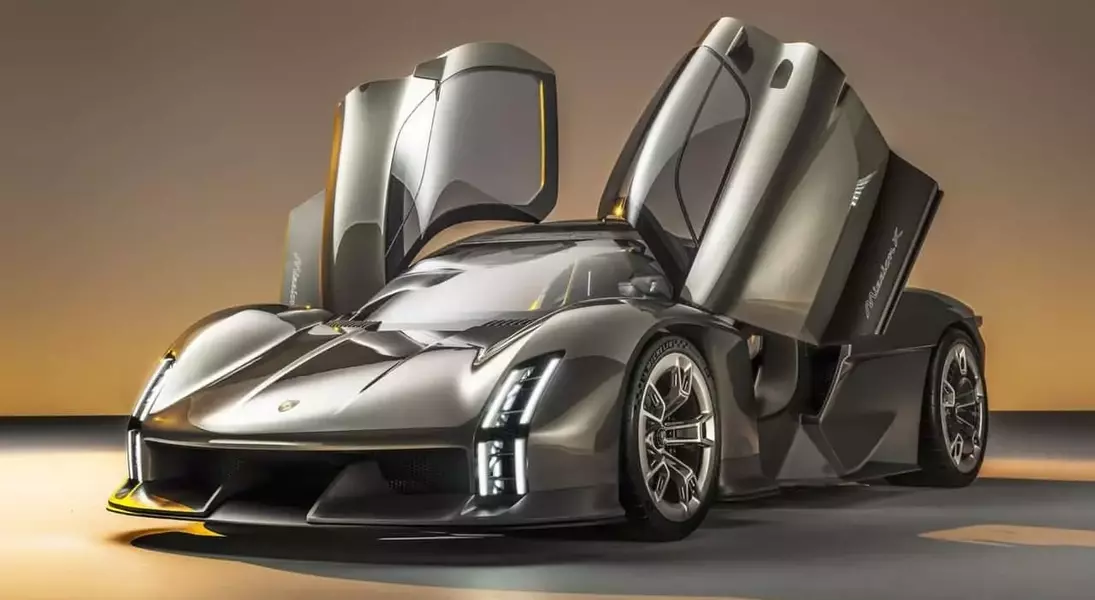
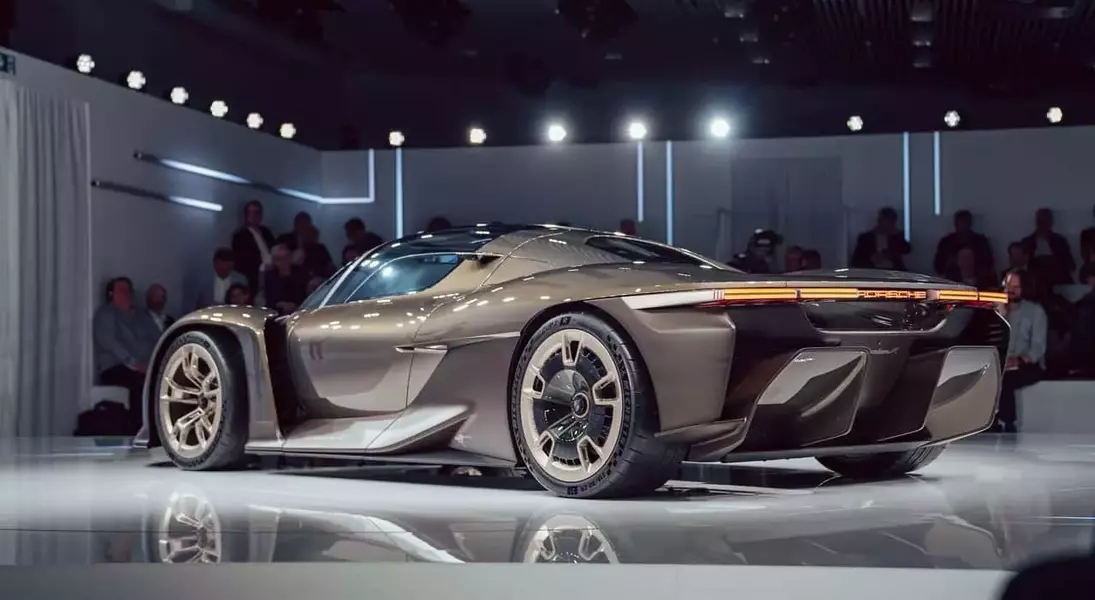
The potential new flagship sports car is expected to draw inspiration from the 2023 Mission X concept, though it is highly anticipated to feature a combustion engine rather than an all-electric powertrain. This preference stems from market observations, particularly given the insights from Bugatti Rimac, in which Porsche holds a significant stake, suggesting that high-end buyers currently favor traditional internal combustion engines for ultimate performance vehicles. This strategic direction underlines Porsche's commitment to catering to customer desires while navigating the evolving automotive landscape.
Porsche's Strategic Vision: Expanding the High-Performance Portfolio
Porsche is strategically planning to introduce a new pinnacle sports car, surpassing the esteemed 911 in its lineup. This bold step is a direct response to recent sales challenges, particularly a notable decline in the Chinese market and a double-digit decrease in European sales, partly due to regulatory shifts affecting gas-powered models like the Macan and 718. The company's CEO, Michael Leiters, has openly discussed this potential expansion, signaling a clear intent to fortify Porsche's presence in lucrative, high-margin automotive segments. This forward-looking approach is designed not only to bolster financial performance but also to reinforce Porsche's reputation for engineering excellence and innovation at the very top tier of the automotive world, ensuring its competitive edge.
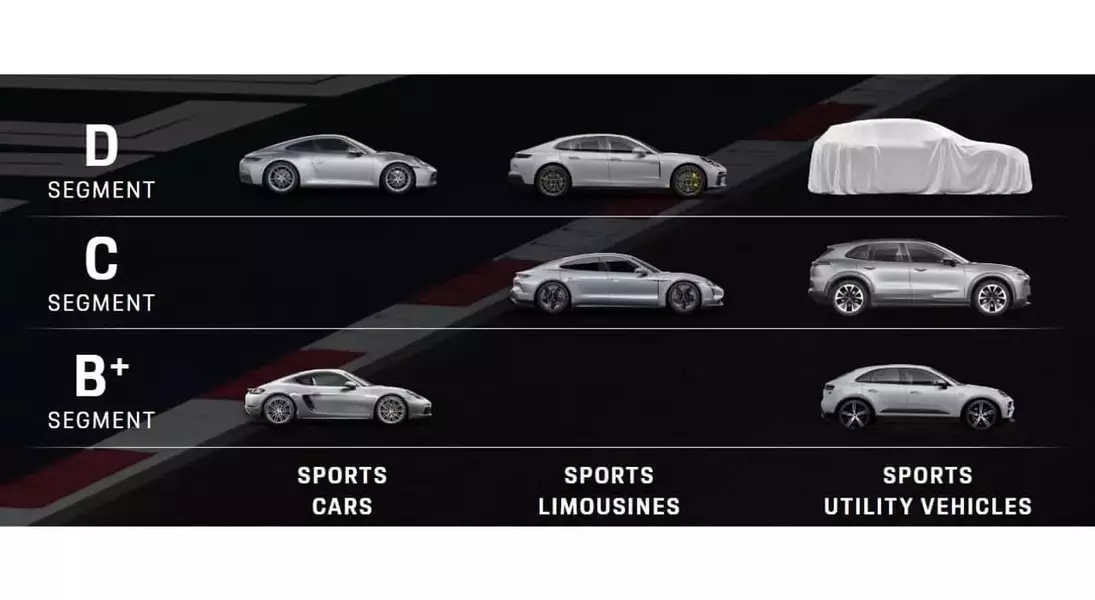
This strategic expansion goes beyond just a single new sports car. Porsche is also developing an internal combustion engine (ICE) successor to the Macan, a new three-row SUV with traditional powertrains positioned above the Cayenne, and reviving gas-powered versions of the 718 Boxster and Cayman, alongside planned electric variants. The consideration of a hypercar above the 911 reflects a concerted effort to diversify offerings and cater to varied market demands. While the Mission X concept provides a glimpse into future design and technological possibilities, the ultimate decision on powertrain—likely favoring a combustion engine—underscores a pragmatic understanding of the preferences of the ultra-luxury sports car market, informed by partnerships and market intelligence.
The Potential Return of a Combustion-Powered Halo Car
A new range-topping sports car from Porsche, potentially inspired by the Mission X concept, is poised to become a significant addition to the brand's celebrated lineage. However, unlike the all-electric Mission X concept, a production version of this halo car is widely expected to incorporate a combustion engine. This expectation is rooted in the current market dynamics for ultra-luxury performance vehicles, where, as highlighted by figures like Mate Rimac, there remains a strong preference among high-end buyers for traditional powertrains. This insight, gleaned from Porsche's 45-percent stake in the Bugatti Rimac joint venture, plays a crucial role in shaping the strategic direction for such a prestigious new model, aiming to maximize its appeal and market success.
Porsche's CEO, Michael Leiters, has explicitly stated the company's commitment to prolonging the lifespan of its combustion engine and hybrid offerings, indicating a clear strategy to meet "customer wishes." This aligns with the broader industry trend where some luxury brands, such as Lamborghini with its Temerario and Revuelto models, continue to champion gasoline engines in their top-tier products. While a new halo car would likely take several years to develop and bring to market, Porsche's current considerations suggest a powerful, combustion-powered successor to the 918 Spyder could eventually emerge, designed to compete with rivals like the Ferrari F80 and McLaren W1 and reignite the "Holy Trinity" of hypercars. This approach signifies Porsche's dedication to delivering an uncompromised driving experience that resonates with its most discerning clientele.
