Porsche's leadership, under former CEO Oliver Blume, has candidly acknowledged a strategic miscalculation regarding the discontinuation of a crucial internal combustion engine (ICE) model. What seemed like a logical decision at the time, predicated on the expected success of its electric counterpart, has since proven to be an oversight. This admission underscores the dynamic and often unpredictable nature of the automotive market, particularly during the transition towards electrification. The company is now actively working to rectify this misstep by reintroducing and emphasizing hybrid and traditional combustion engine options across its product lines, showcasing a flexible approach to meet evolving consumer demands and regulatory landscapes.
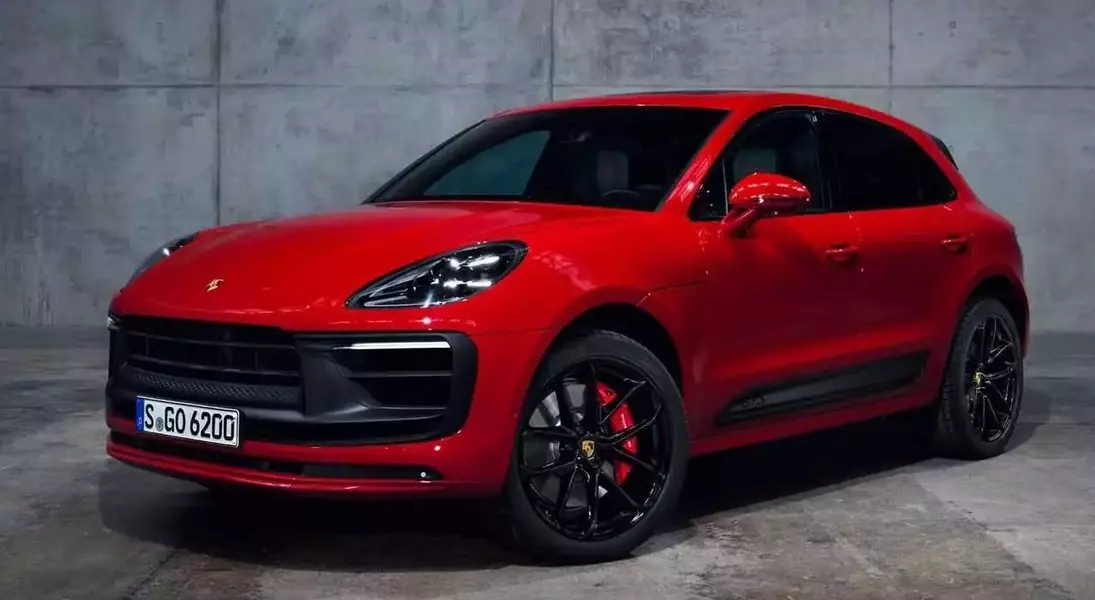
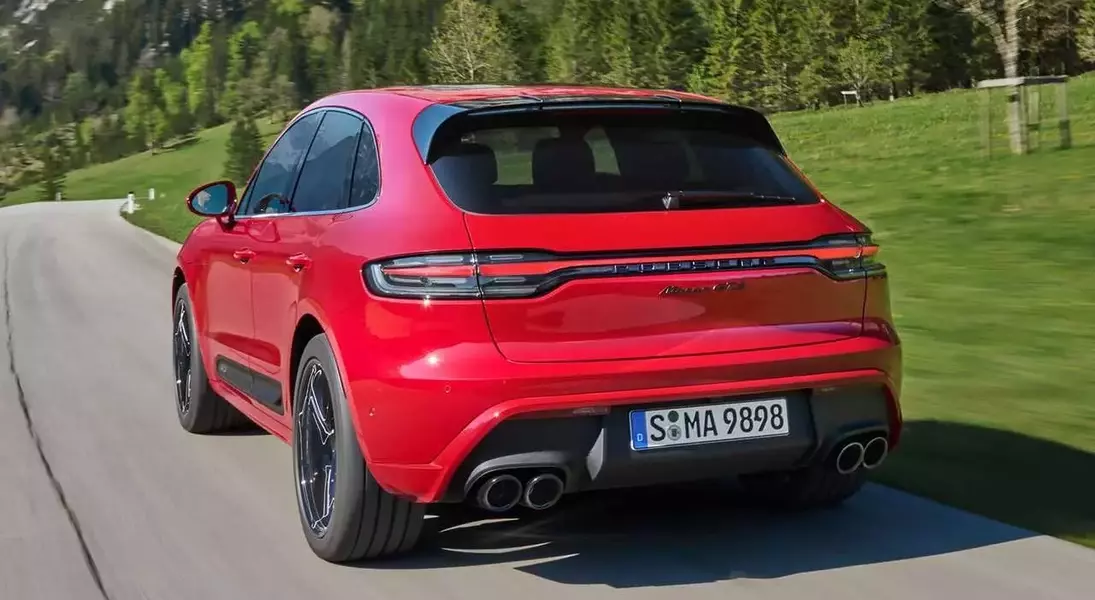
Blume, who recently transitioned from his role as Porsche's CEO to fully focus on leading the Volkswagen Group, revealed in a conversation with Frankfurter Allgemeine Zeitung that the decision to retire the first-generation gasoline Macan was flawed. While the original strategy was to offer diverse powertrain options, the belief was that the forthcoming electric Macan would seamlessly replace its gasoline predecessor. However, the market's reception and regulatory changes, particularly in Europe, where the model was withdrawn due to cybersecurity regulations, highlighted the need for a more diversified approach. The gasoline-powered Macan is slated for global discontinuation later this year, with production anticipated to conclude by mid-2026, leaving a temporary void in the lineup.
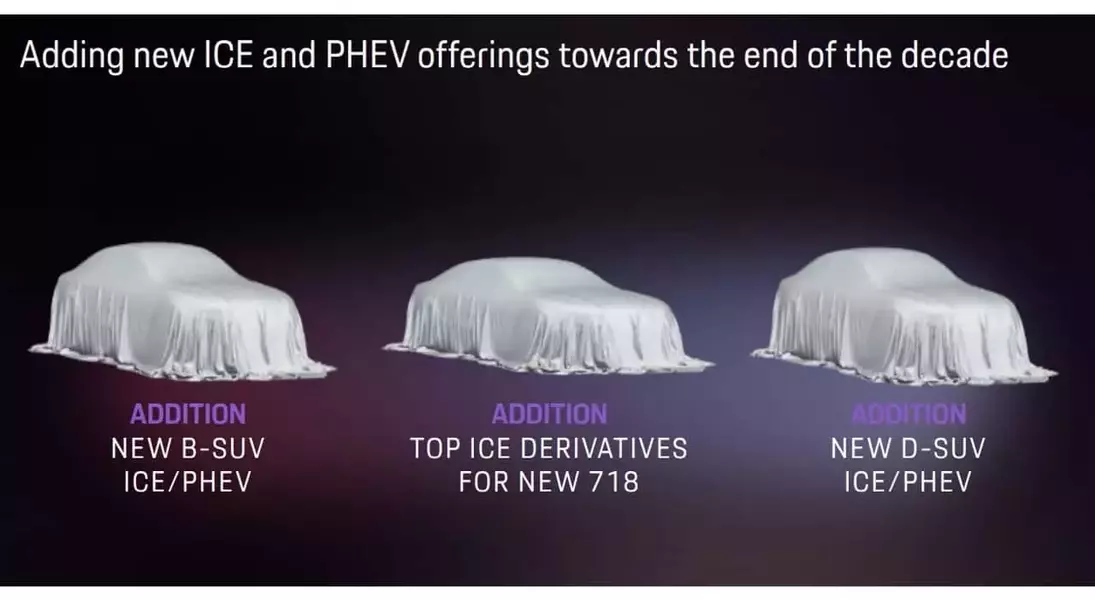
In response to this realization, Porsche is now developing a new combustion-engined crossover, intended to slot beneath the Cayenne and arrive by 2028. This upcoming model, while not bearing the Macan name, aims to recapture the segment previously served by its gasoline forebear. Early indications suggest this new vehicle will share architectural components with the Audi Q5, leveraging Volkswagen Group synergies. Unlike the outgoing Macan, which featured a sophisticated rear-biased all-wheel-drive system, the new model is expected to utilize a front-wheel-drive-based Quattro Ultra system. This shift reflects a pragmatic approach to development, prioritizing efficiency and cost-effectiveness in light of current market pressures and the significant investments Porsche is making in other areas, including a larger three-row SUV and the reintroduction of gasoline engines for the Boxster and Cayman, reversing previous EV-only plans.
The automotive industry's pivot towards electric vehicles is complex, and even well-established manufacturers like Porsche can misjudge the pace and preferences of consumers. This instance serves as a notable example of a leading automotive brand adapting its long-term strategy in response to real-world market dynamics and operational challenges. The openness with which Porsche has addressed this issue provides valuable insight into the decision-making processes within major global corporations navigating technological shifts.
