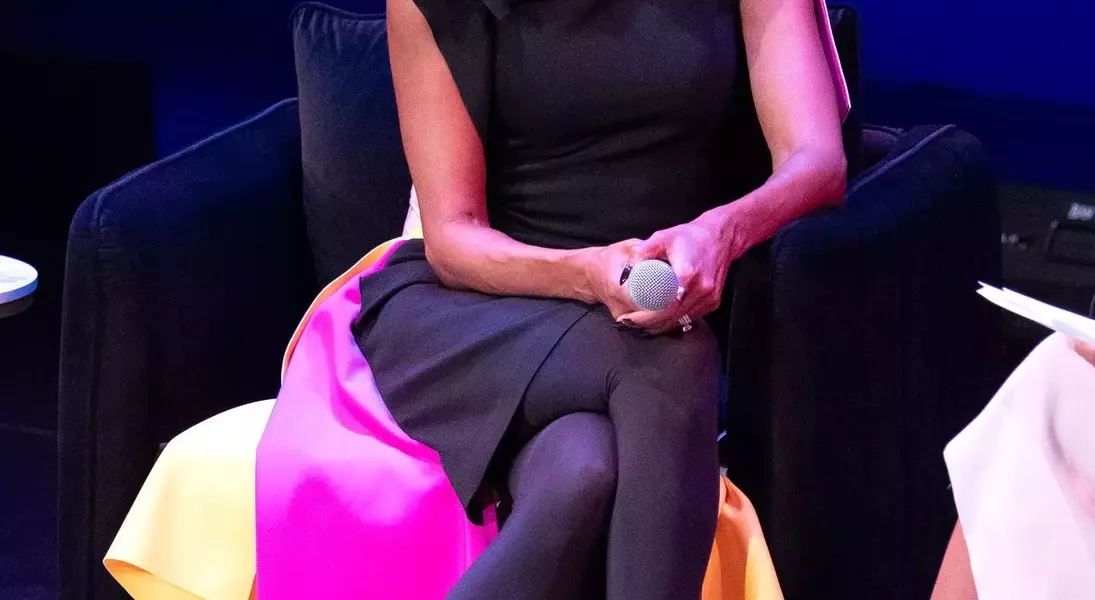
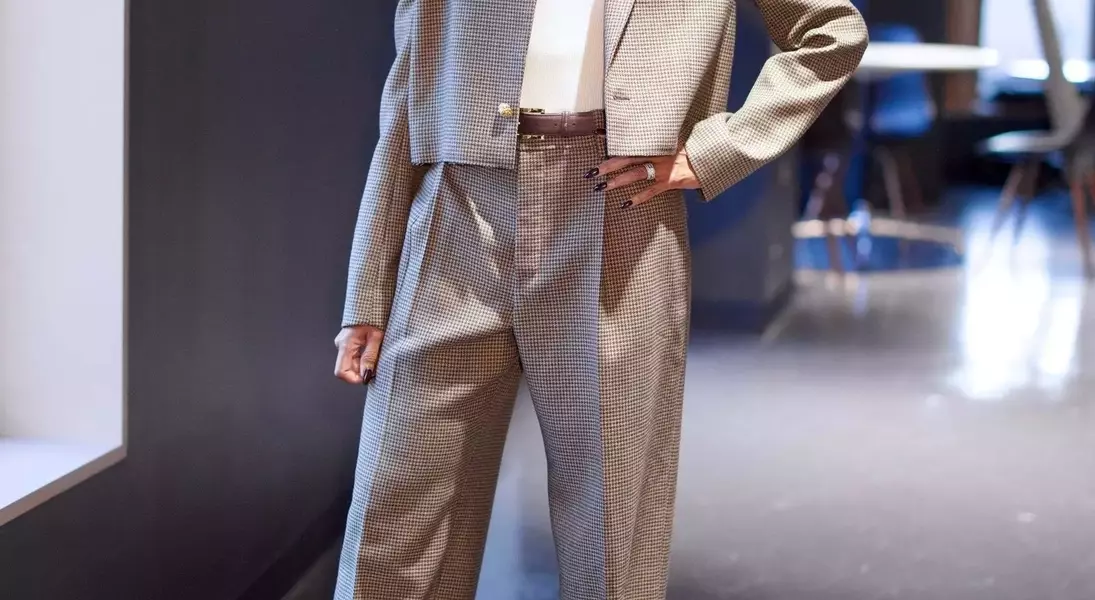
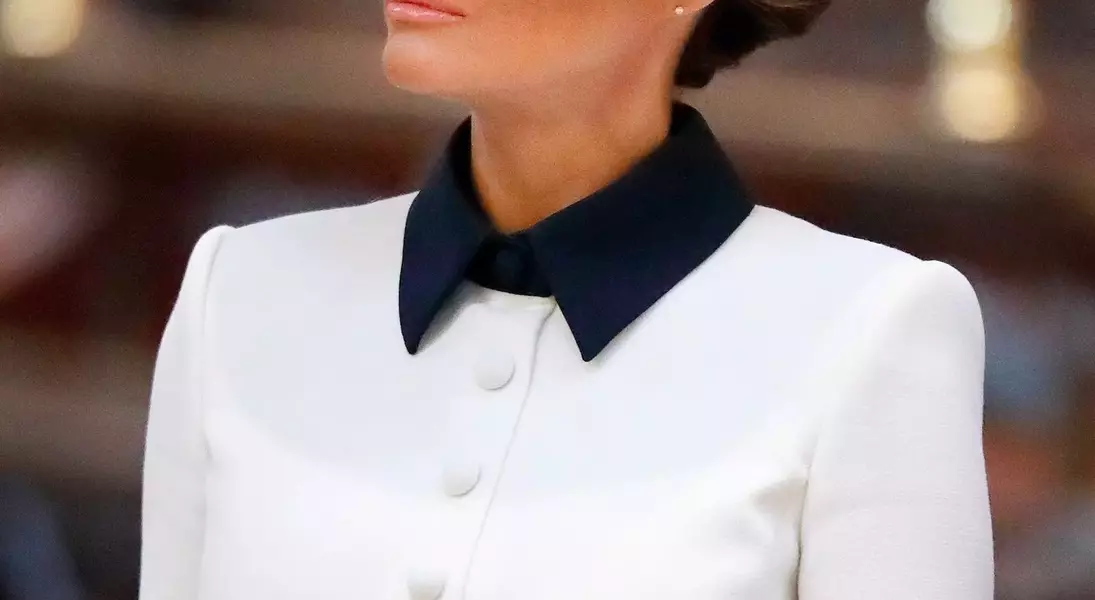
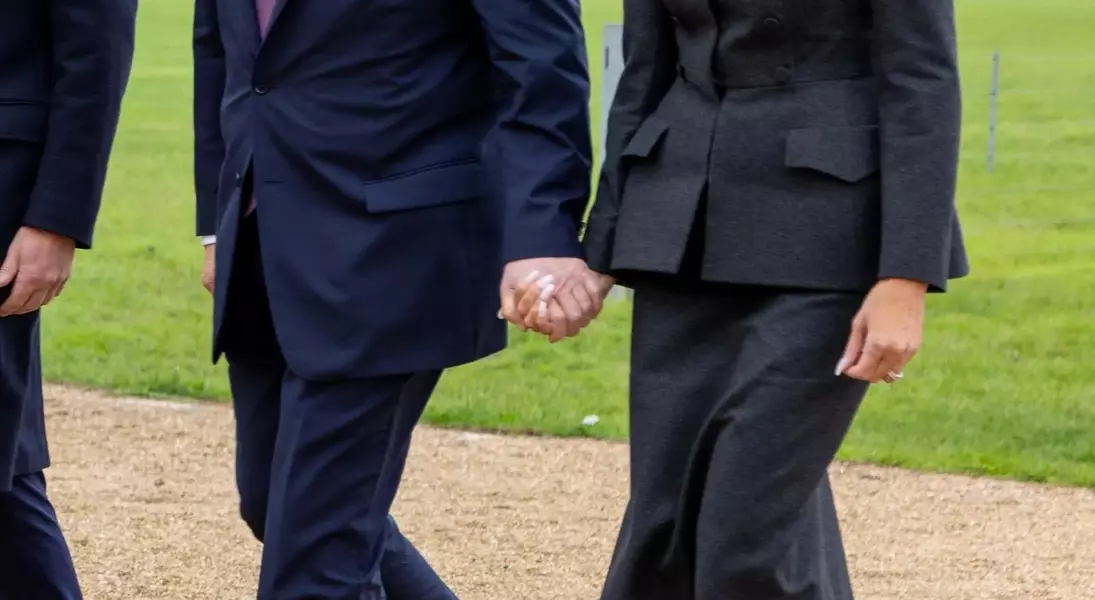
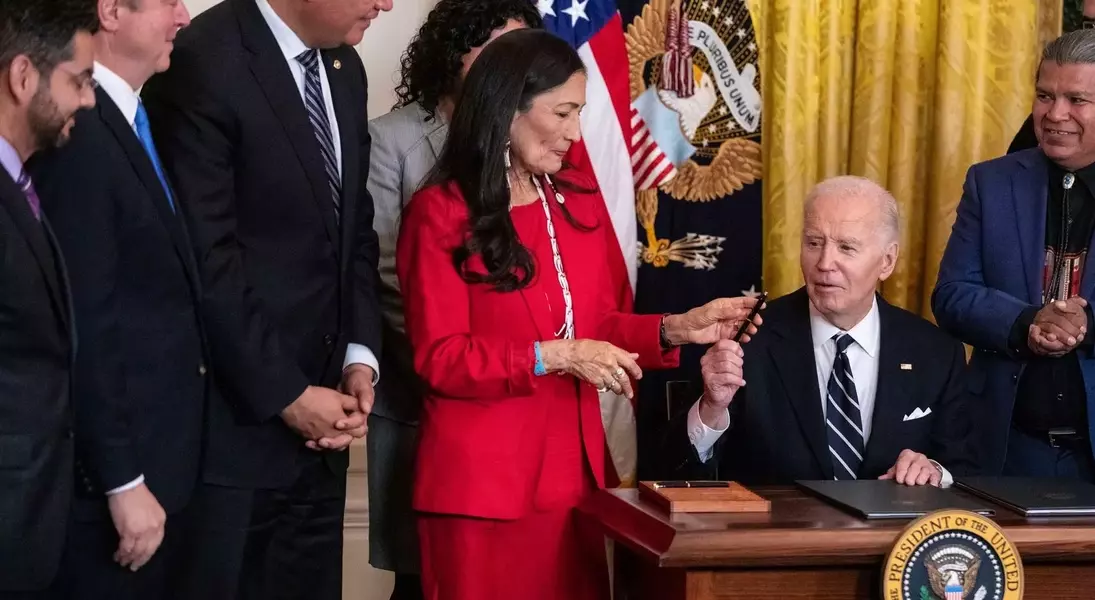
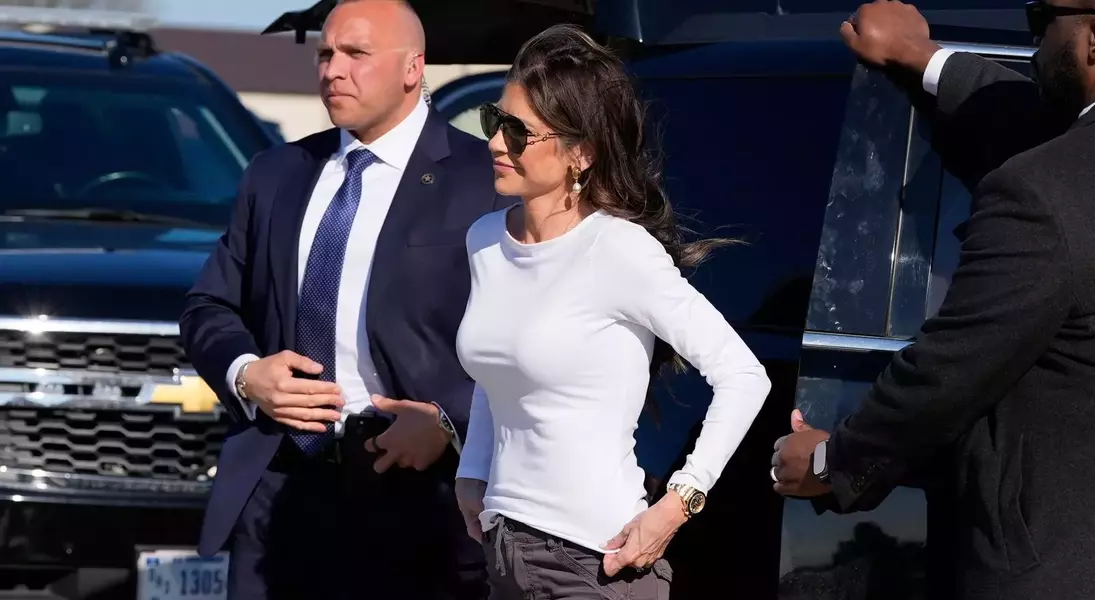
In a year characterized by significant political upheaval, fashion served as a notable means of expression for public figures. Many individuals, such as former first lady Michelle Obama, strategically utilized their public platforms to advocate for burgeoning designers. Similarly, prominent Indigenous political figures, like former U.S. Secretary Deb Haaland, seized opportunities to spotlight creators from their own communities. These deliberate choices in attire not only reflected personal style but also conveyed deeper messages and support for various causes.
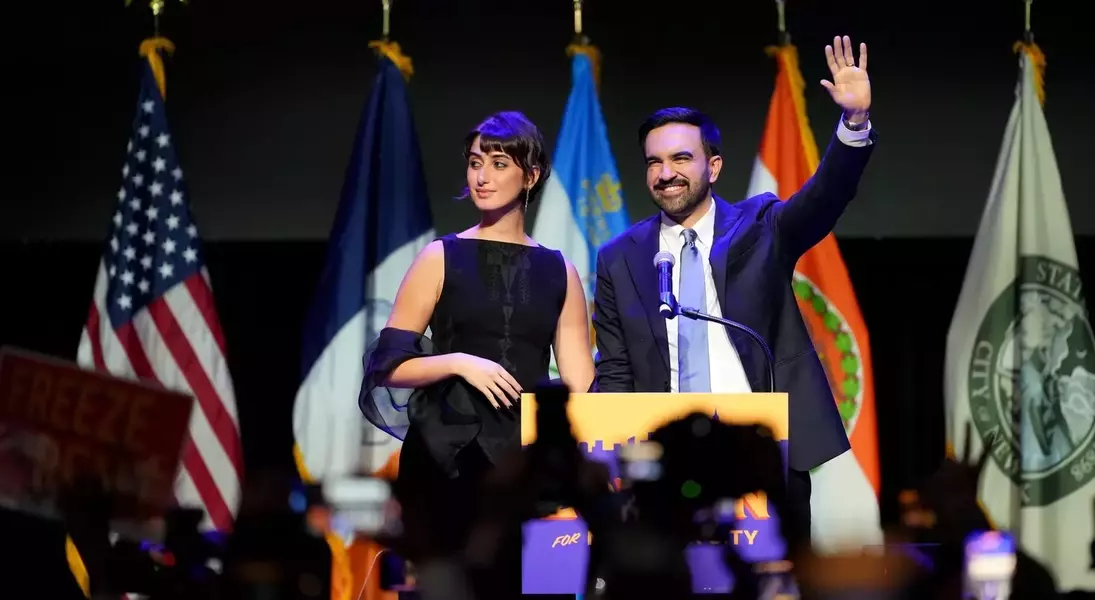
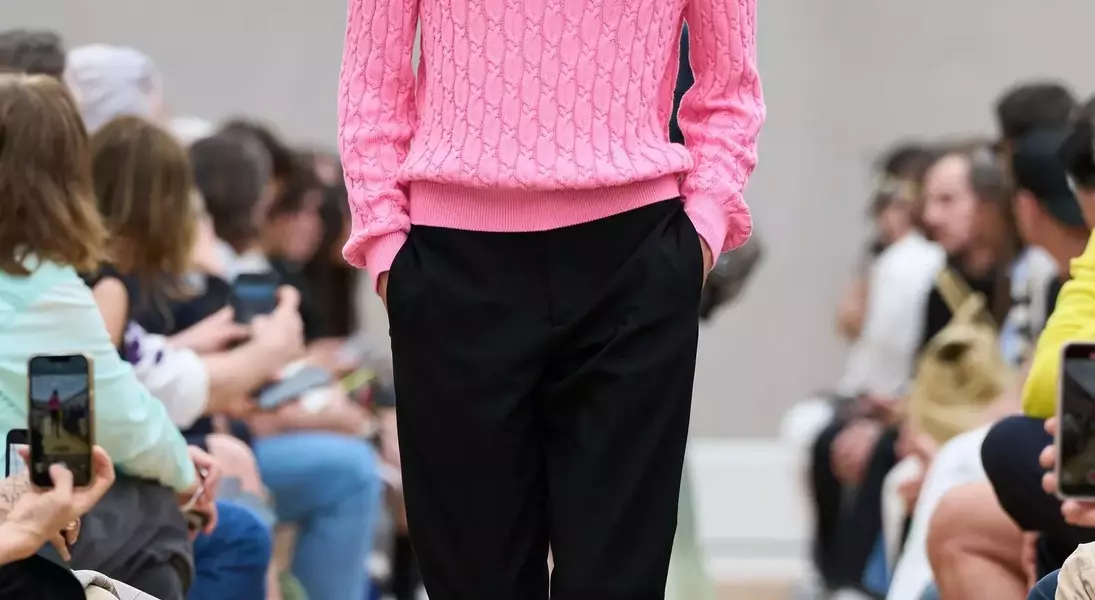
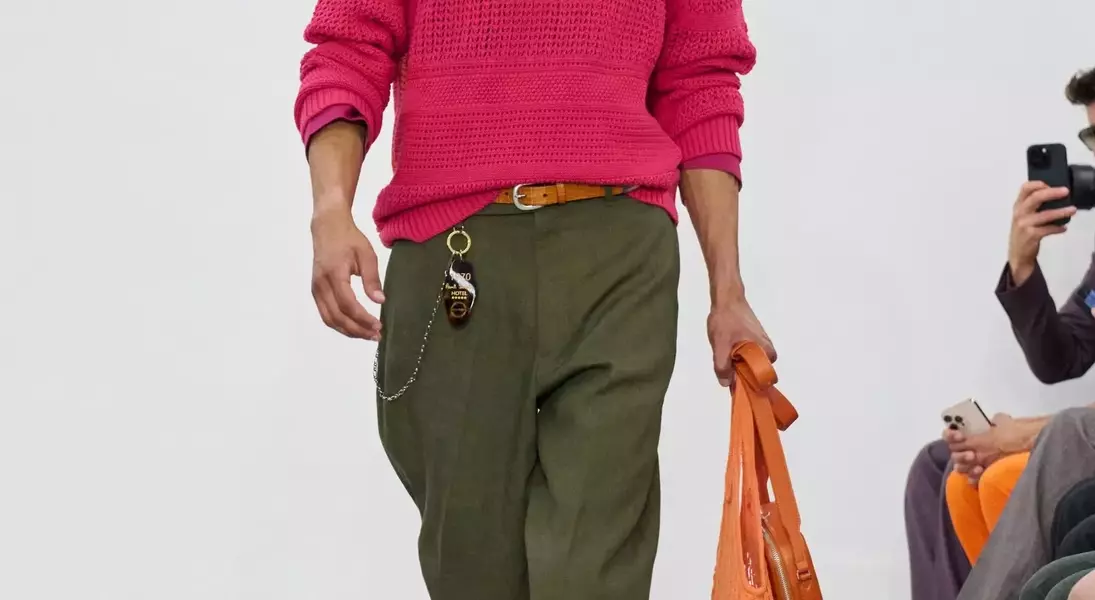
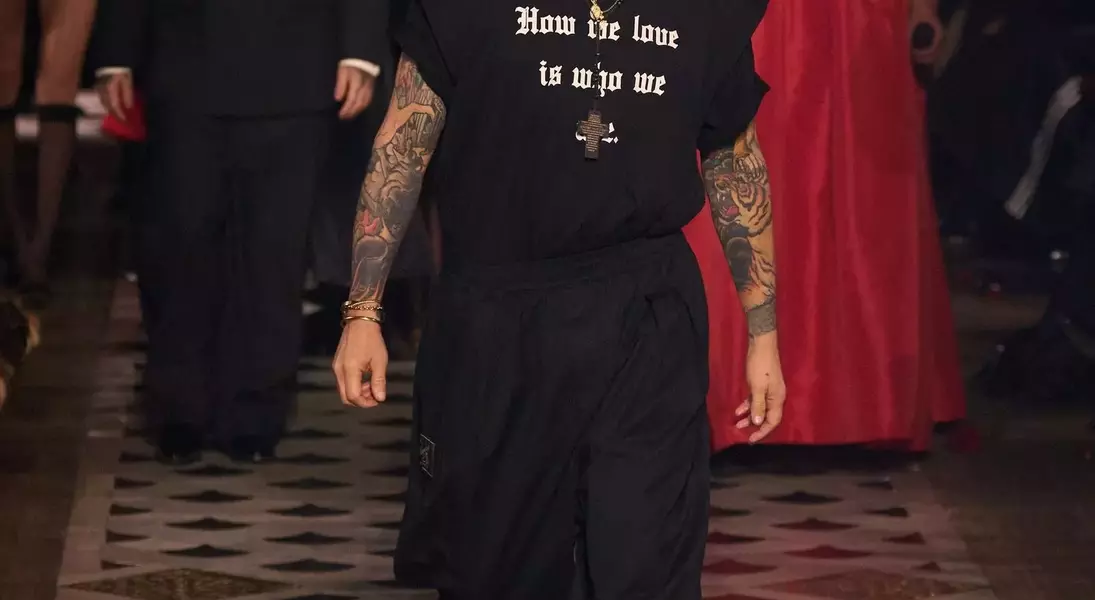
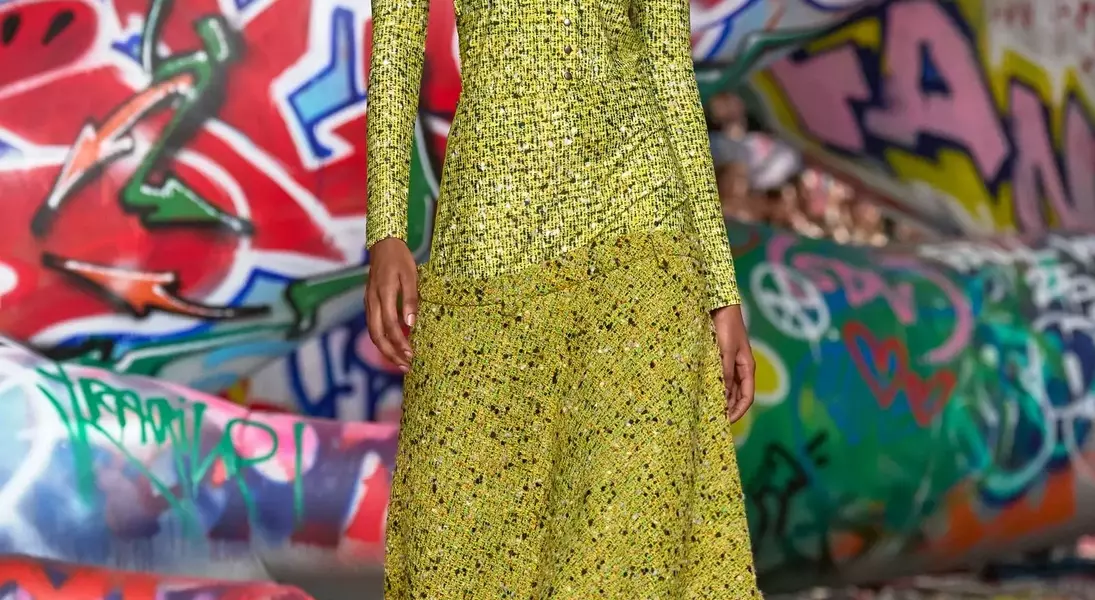
Beyond individual statements, the intersection of fashion and politics also manifested in unexpected ways and generated significant discussion. The rise of New York's first Gen Z first lady, Rama Duwaji, showcased a fresh approach to political dressing, emphasizing independent labels and emerging talent. Additionally, former first lady Melania Trump's preference for broad-brimmed hats became a distinctive element of her public image, while a seemingly innocuous pink sweater for men sparked a surprising debate among conservative commentators. These incidents illustrate how clothing choices, both personal and on the runway, can ignite conversations and reveal underlying cultural tensions.
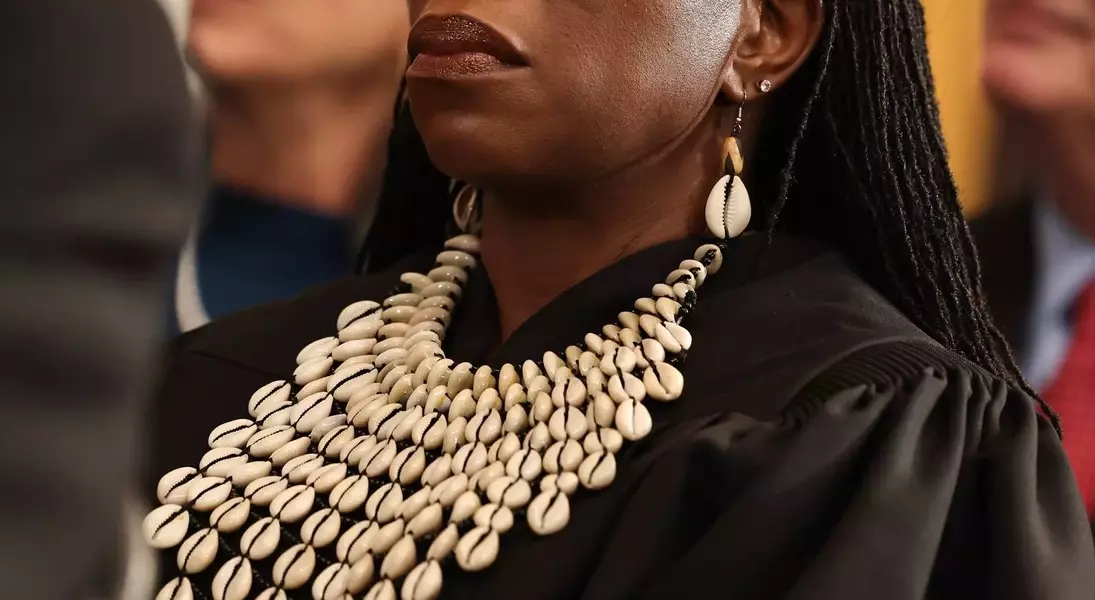
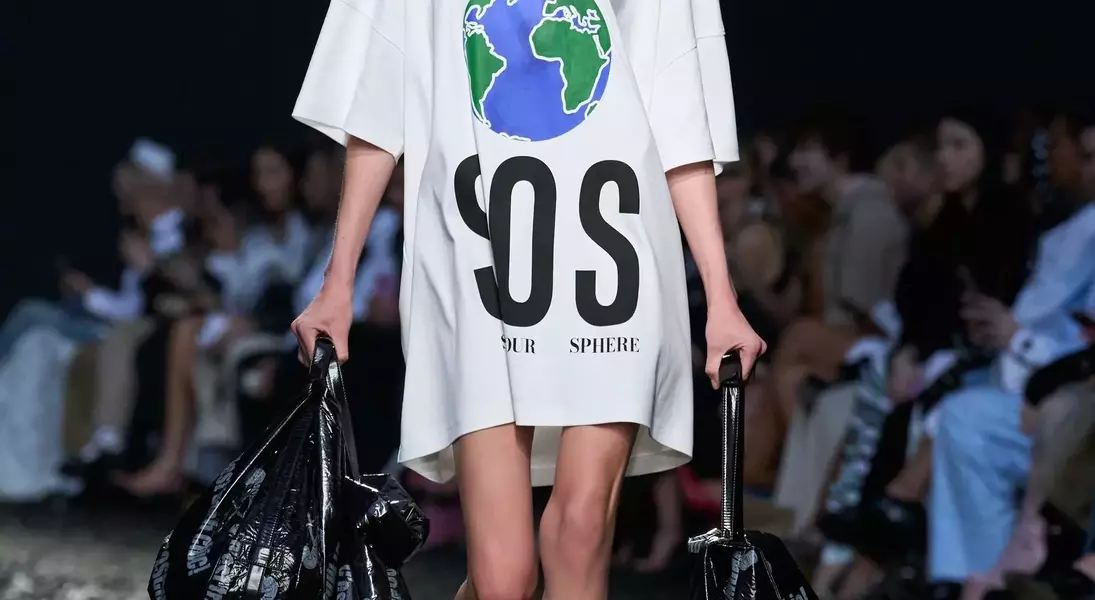
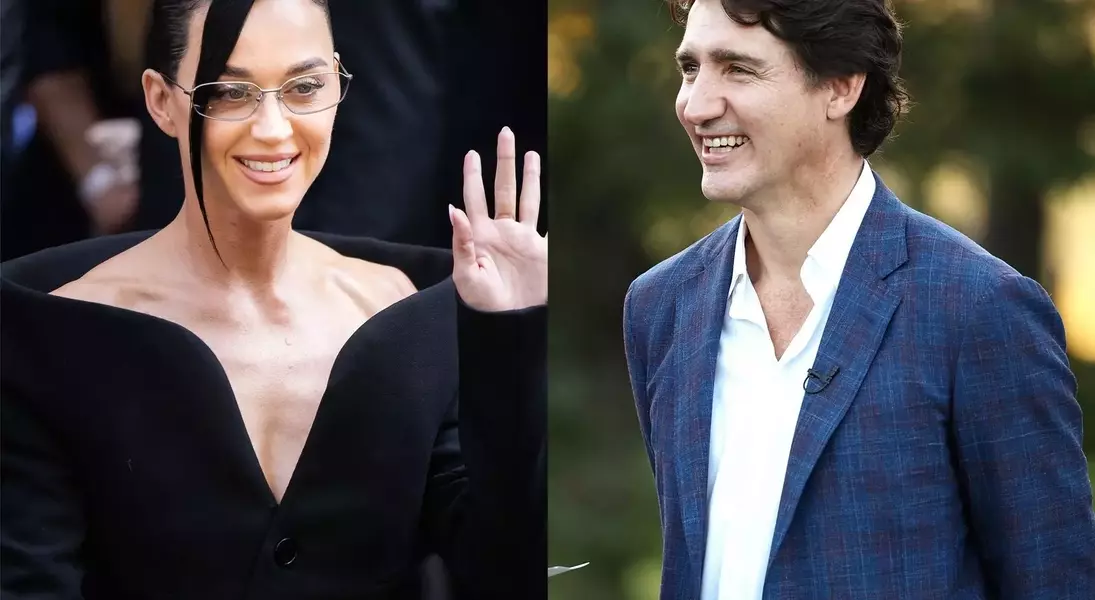
Ultimately, fashion in 2025 transcended mere aesthetics, acting as a dynamic canvas for social commentary and personal identity within the political sphere. Justice Ketanji Brown Jackson's symbolic collar at the inauguration and runway shows featuring explicit political, social, and environmental messages underscored the power of clothing to communicate profound ideas. Even unexpected pairings, such as Katy Perry and Justin Trudeau's public appearance, added to the diverse tapestry of fashion's role in the public eye. These moments collectively demonstrate how style in politics is rarely accidental, often carrying significant meaning and reflecting the broader societal dialogue.
In a world where every action is scrutinized, the intentionality behind political fashion choices stands as a testament to the power of personal expression and advocacy. These moments serve as a reminder that what we wear can be a potent form of communication, influencing perceptions and shaping narratives. Embracing diverse voices and celebrating cultural heritage through style enriches public discourse and promotes a more inclusive understanding of leadership.
