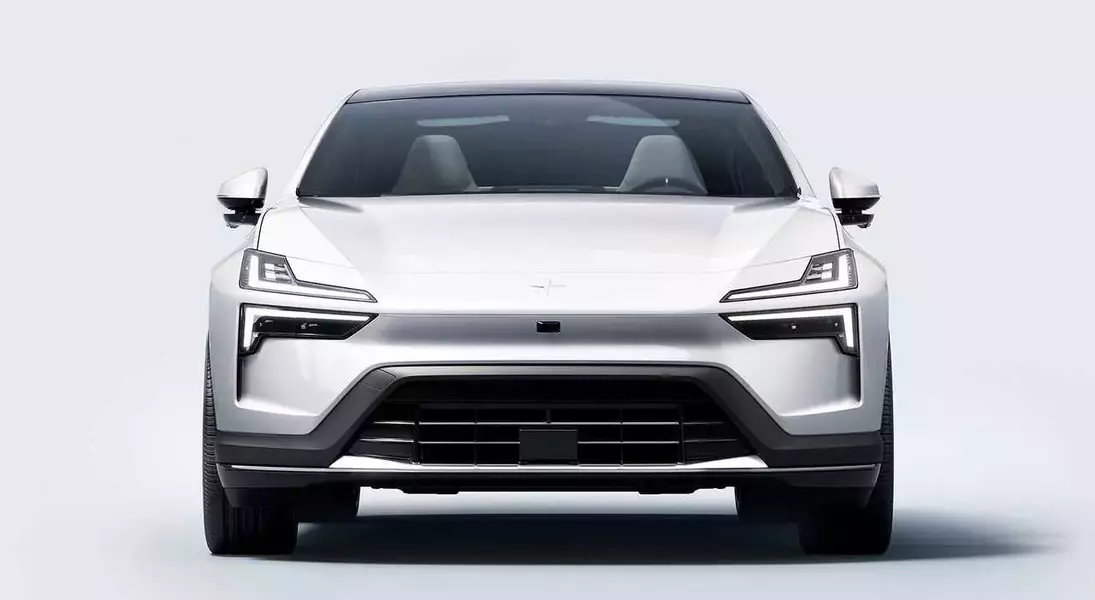
Polestar, the electric vehicle brand, has announced its inability to continue selling its vehicles in the United States from the 2027 model year onwards. This development stems from a new regulation enacted by the US Department of Commerce, known as the Connected Vehicles Rule. This policy specifically targets the importation and sale of automobiles equipped with connected technologies that have links to China or Russia.
US Regulations Impact Polestar's Market Presence
The United States Department of Commerce has declined to grant Polestar the necessary authorization to sell its vehicles under the recently introduced Connected Vehicles Rule. This directive, established in 2025 and effective for the 2027 model year, imposes restrictions on the entry and distribution of certain automobiles featuring connected vehicle technology that have affiliations with Chinese or Russian entities. Given that Polestar operates under the joint ownership of Volvo and China's Geely Holding Group, it directly falls within the scope of these new regulatory constraints.
This new US regulation, designed to control the flow of connected vehicles with ties to specific geopolitical regions, poses a significant challenge for Polestar's long-term strategy in the American market. While Volvo, a partner in Polestar's ownership, successfully obtained authorization for its vehicle imports and sales in late May, Polestar's application was not approved. The broader implications of this rule are also being felt by other manufacturers, with reports indicating that Ford is actively seeking authorization for its China-produced Lincoln Nautilus SUV. For Polestar, this means a pivotal shift in its global market focus and a re-evaluation of its presence in one of the world's largest automotive markets.
Future Outlook and Continued Support for Existing Owners
Despite the forthcoming halt in new car sales for the 2027 model year, Polestar has confirmed its commitment to current American customers and existing inventory. The company will proceed with the sale of its remaining Polestar 3 and Polestar 4 models already in the US market. Furthermore, Polestar has assured that its comprehensive service network will remain operational, providing ongoing support, maintenance, and parts for all its vehicles currently on the road. This strategic approach aims to mitigate the immediate impact on consumers and maintain a level of brand loyalty amidst the regulatory changes.
This decision to continue supporting existing vehicles and maintain service infrastructure highlights Polestar's dedication to its current customer base, even as its future sales in the US are curtailed. The company's announcement also shed light on its global sales distribution, noting that a substantial 94 percent of its retail sales during the first quarter of 2026 originated from markets outside of the United States. This statistic underscores the brand's diverse international presence and suggests that while the US market is significant, Polestar's operational focus is broadly distributed across other regions. The company's ability to adapt and thrive in alternative markets will be crucial as it navigates these new trade barriers.
