Polestar, an automotive manufacturer known for its electric vehicles, has recently criticized plug-in hybrid electric vehicles (PHEVs), with its Australian managing director labeling them as the "worst of both worlds." This stance highlights the ongoing debate within the automotive industry regarding the most effective paths toward sustainable transportation. The company, which is part of the Geely Group, argues that PHEVs introduce unnecessary complexity by combining both electric and internal combustion engine systems, leading to higher maintenance demands and a failure to deliver genuine zero-emission driving if not consistently charged. This perspective comes as the industry grapples with a diverse range of powertrain options, from traditional gasoline and diesel engines to various hybrid configurations, battery electric vehicles (BEVs), and even hydrogen fuel-cell vehicles.
Scott Maynard, Polestar Australia's managing director, articulated his firm's position in an interview, stating that PHEVs suffer from the combined disadvantages of electric and petrol drivetrains. He emphasized that these vehicles are burdened with the mechanical intricacies of both systems, resulting in elevated maintenance requirements. Furthermore, Maynard pointed out that many PHEV owners do not regularly charge their vehicles, thereby diminishing the environmental benefits and fuel efficiency that these cars are designed to offer. This often means that a PHEV operating solely on its combustion engine can be less efficient than a comparable internal combustion engine-only vehicle due to the additional weight of the battery and electric components. Polestar's argument suggests that these vehicles are increasingly becoming irrelevant as advancements in pure electric vehicle technology continue to address concerns like range anxiety and charging infrastructure.
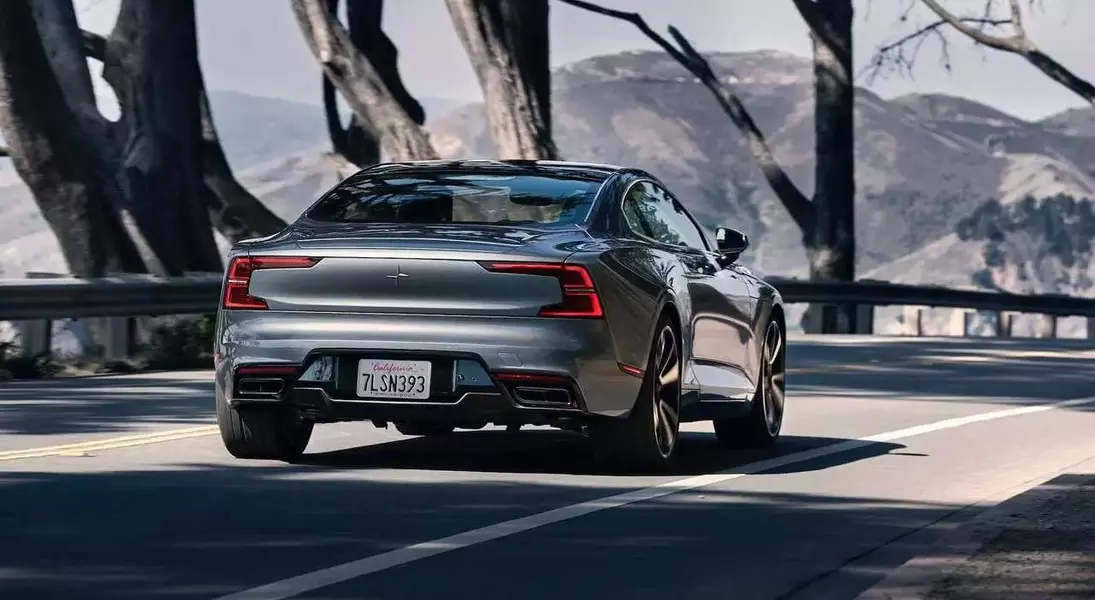
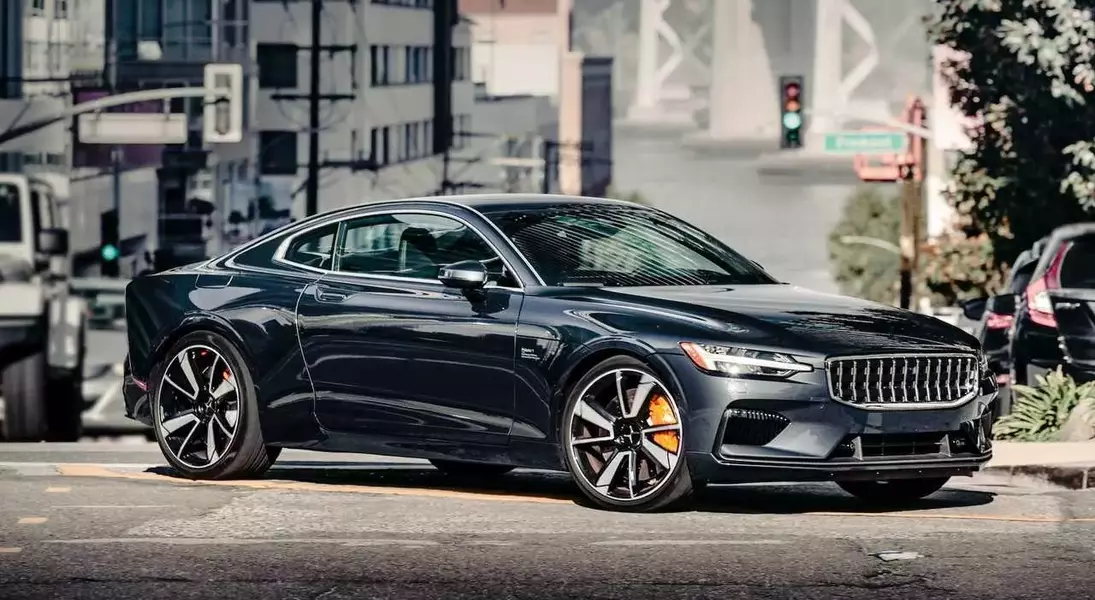
While Polestar advocates for a fully electric future, it's worth noting the company's own history, which includes the production of the Polestar 1, a plug-in hybrid model that ceased production in 2021, marking Polestar's transition to an exclusively EV manufacturer. This past experience provides context to their current, strong opinion. Despite Polestar's criticisms, other brands within the larger Geely Group, such as Volvo and Lotus, continue to offer PHEVs, and the lesser-known Lynk & Co brand also features plug-in hybrids in its lineup. Some argue that PHEVs still serve a vital transitional role, particularly in regions where EV charging infrastructure is not yet fully developed, or for consumers who may not be ready to commit to a full EV due to lifestyle or practical considerations.
The global automotive market currently offers a wide array of propulsion systems, catering to varied consumer needs and preferences. While Polestar’s clear commitment to all-electric mobility reflects a strong belief in its future, the practicality of PHEVs, especially with advancements in electric range and the ongoing expansion of charging networks, remains a subject of considerable discussion. For many drivers, particularly those with inconsistent access to charging facilities or those who frequently undertake long journeys, PHEVs can still represent a sensible compromise. As electric vehicle technology progresses and charging infrastructure becomes more ubiquitous, the role of PHEVs may evolve, but for the time being, they continue to offer a viable option for many consumers on the path to electrification.
