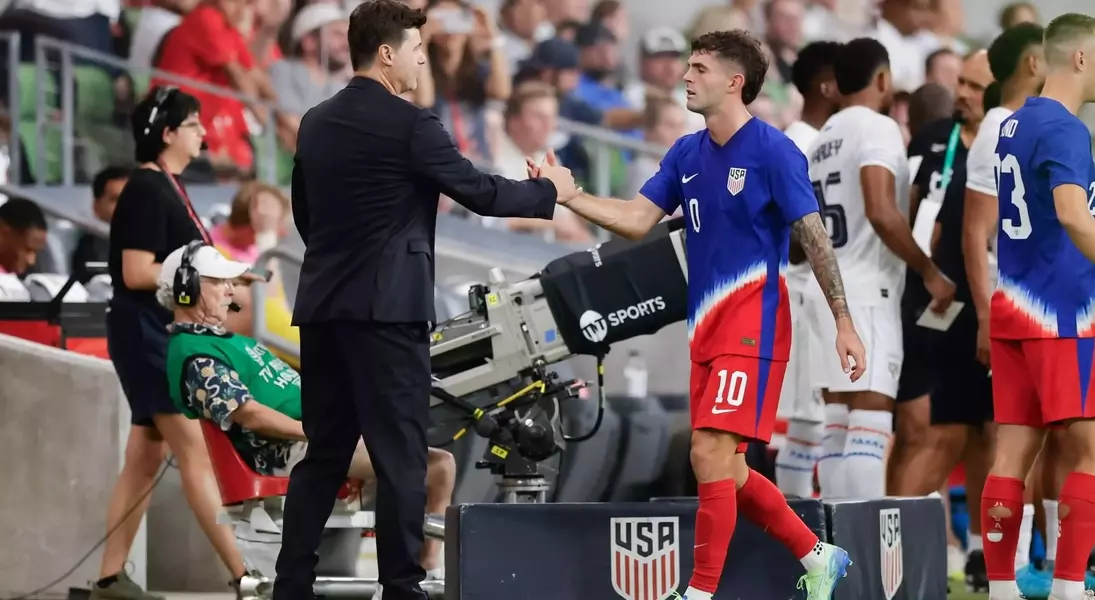
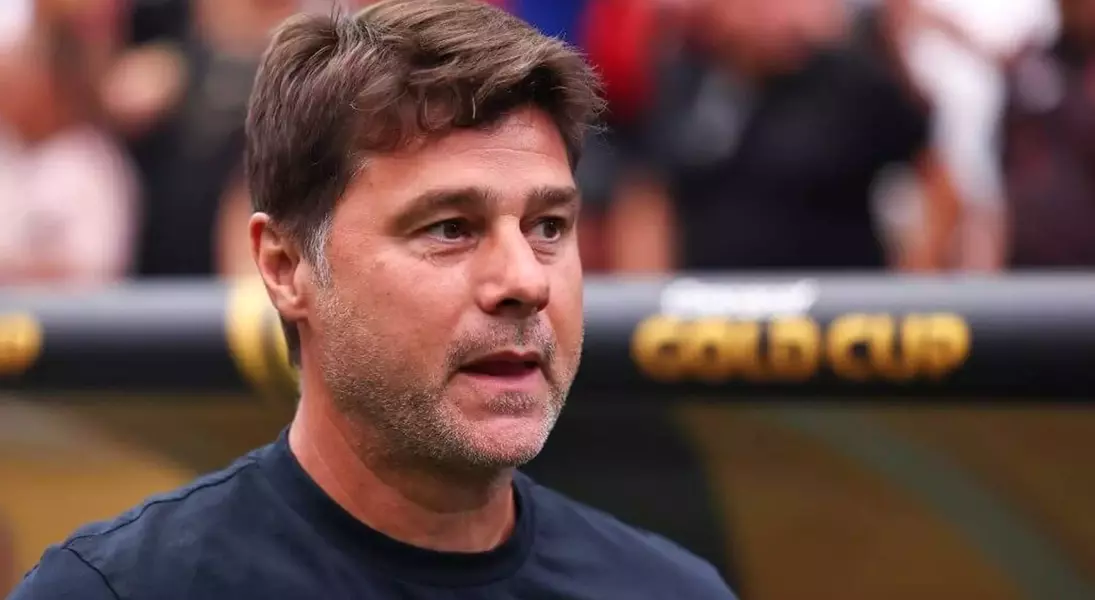
As the FIFA World Cup on home soil draws nearer, the latest roster announcement by Mauricio Pochettino for the upcoming matches against South Korea and Japan has stirred considerable discussion. The inclusion of a significant number of Major League Soccer (MLS) players, while notable European-based talents are omitted, has ignited a debate about the team's readiness and strategic direction. This approach, perceived by many as continued experimentation, raises concerns about the optimal preparation needed to forge a cohesive and competitive squad capable of challenging the global elite. The emphasis, it seems, should now shift from exploration to consolidation, ensuring that vital partnerships and team dynamics are finely tuned.
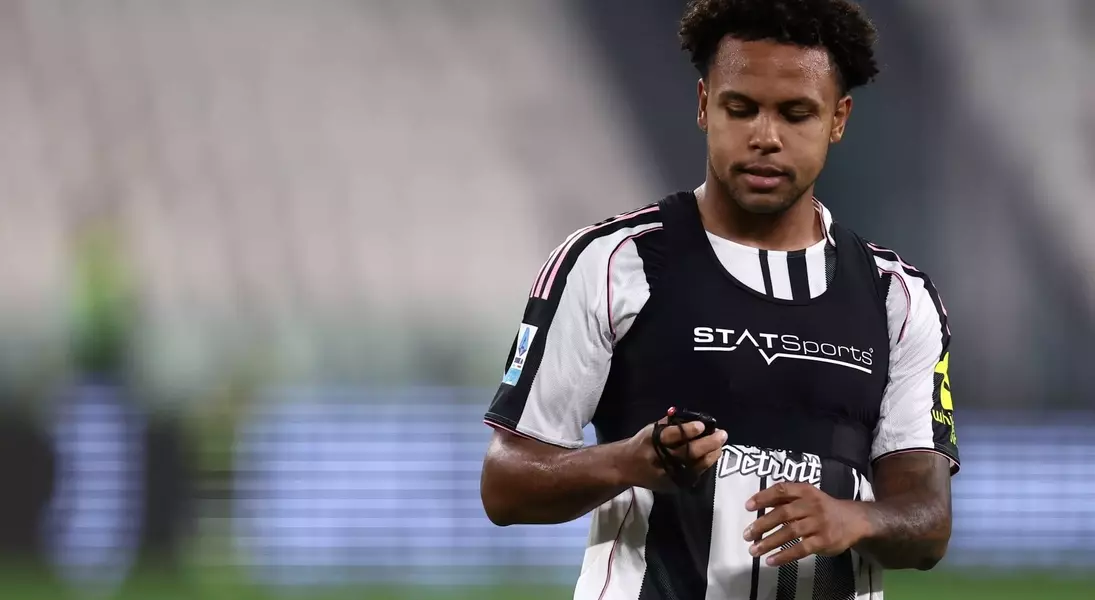
The current selection philosophy, characterized by constant adjustments to the player pool, appears counterproductive given the proximity of the major tournament. With less than a year until the World Cup kicks off, a clear and settled core team is generally expected. Instead, seasoned players like Weston McKennie, Johnny Cardoso, and Yunus Musah, who are making their mark in top European leagues, find themselves on the sidelines. This decision is particularly perplexing when considering that during international breaks, many key players from these European clubs are away with their national teams anyway, diminishing the unique benefit of remaining with their clubs for training.
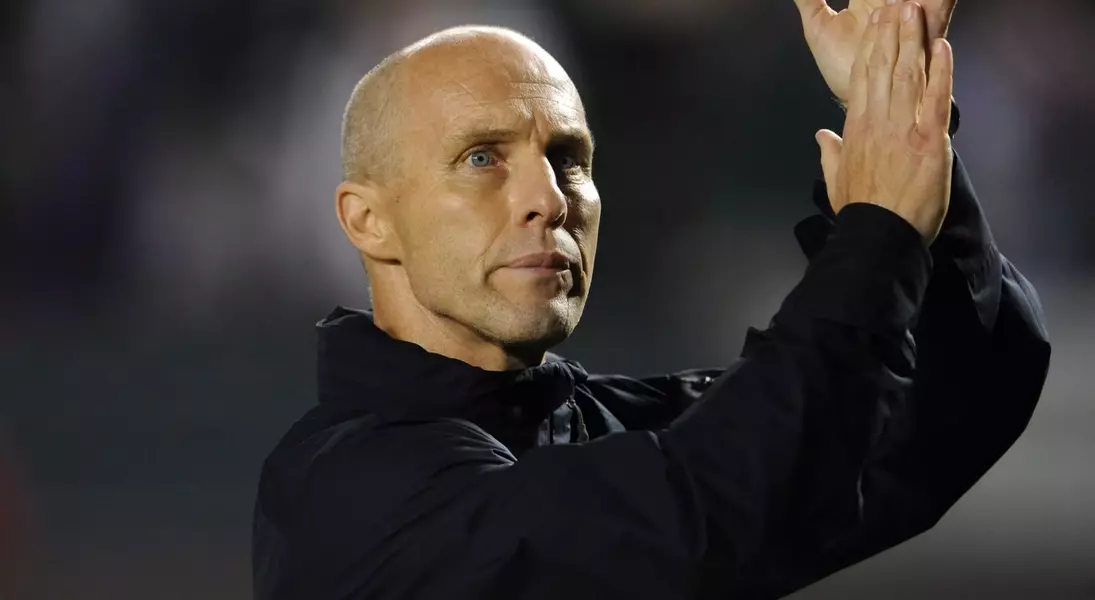
A critical issue emerging from Pochettino's choices is the message being conveyed to American players. Historically, there has been an unspoken understanding that proving oneself in European football was a pathway to national team recognition. This incentivized promising MLS talents to seek opportunities abroad, fostering a more competitive and professional mindset. Coaches like Bob Bradley and Jurgen Klinsmann actively encouraged this, believing that the rigorous demands of European leagues would harden and sharpen players, ultimately benefiting the national squad. However, the current trend, where players returning to MLS seemingly gain favor, potentially undermines this crucial development path. For instance, Aidan Morris, who excelled in England's Championship, might now feel that staying in MLS would have been more advantageous for his national team prospects, which highlights a concerning shift in priorities.
Furthermore, the choice of opponents—South Korea and Japan—are strong, experienced teams that mirror the caliber of adversaries the U.S. might face in the World Cup's knockout stages. These friendly matches should be treated with utmost seriousness, serving as crucial tests for the squad's competitive mettle. An experimental lineup in such encounters risks repeating past debacles, potentially leading to heavy losses that erode public enthusiasm and confidence, especially when the fan base is already showing signs of apathy. The lack of qualifying games only amplifies the importance of these friendlies as the sole opportunities for high-stakes preparation. The inconsistent logic is further highlighted by the inclusion of Tim Weah, who is rightly considered a vital component due to his unique blend of speed, skill, and World Cup experience, yet other Europe-based players in equally strong or even stronger club situations are overlooked. While Pochettino has indicated that this is the final phase of experimentation, the sentiment remains that a valuable opportunity to forge a formidable team has been partially squandered.
In conclusion, as the World Cup approaches, the focus must decisively shift towards building a unified and formidable team. While experimentation has its place, the time for it is rapidly diminishing. The current selections risk sending mixed signals to players, potentially discouraging those who strive to compete at the highest levels of club football. It is imperative for the national team to consolidate its strongest lineup, foster deep-seated partnerships, and engage in competitive preparation that truly tests the squad's capabilities against elite international opposition. Prioritizing performance and cohesion now will be paramount to inspiring confidence and achieving success on the global stage, urging Pochettino to leverage the team's best talents and establish a clear, consistent strategy for the monumental challenge ahead.
