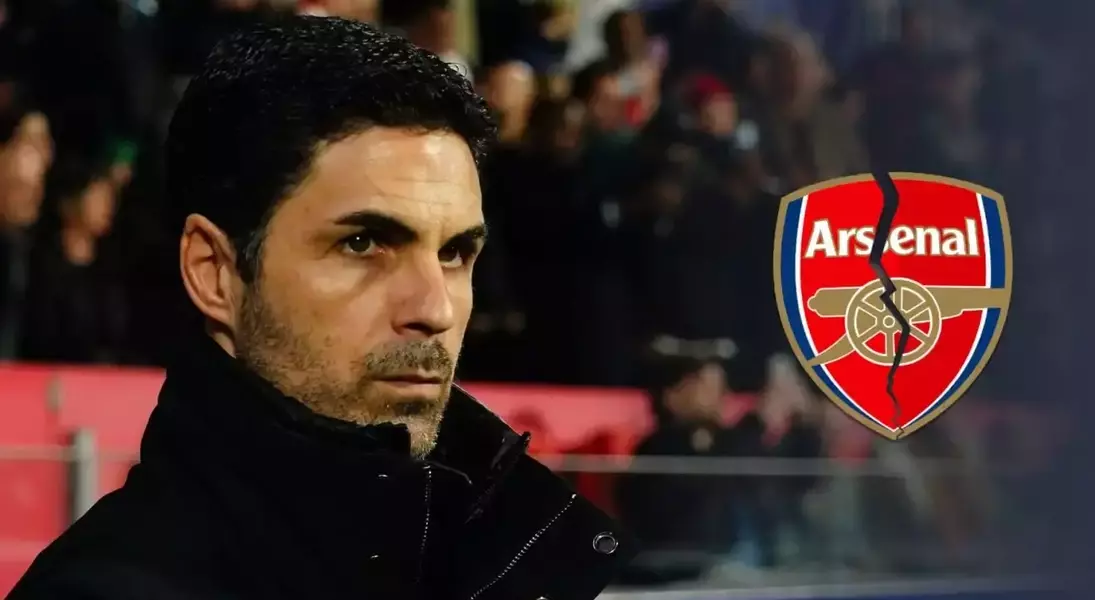
The forthcoming football season holds monumental significance for both Arsenal and Liverpool, presenting distinct yet equally intense pressures that could define their immediate futures. For Arsenal, a club that has seen substantial financial outlay over recent years without the desired silverware, the stakes are exceptionally high. Their manager, Mikel Arteta, stands at a critical crossroads; the outcome of this campaign could either cement his legacy or lead to a parting of ways. Meanwhile, Liverpool finds itself in a different but equally crucial position, having committed considerable resources to acquiring emerging, yet unproven, players. The success of these strategic investments will largely determine the club's trajectory for the seasons to come, emphasizing the high-risk, high-reward nature of modern football management and recruitment.
For Arsenal, the narrative is particularly compelling given their significant financial expenditure and the lingering absence of major trophies over the past five years. Supporters and analysts alike are keenly observing whether this substantial investment will finally yield the desired dividends. There's a palpable sense of anticipation and anxiety surrounding the team's performance, with many suggesting that anything less than a strong challenge for key titles—such as the league or the Champions League—could have severe repercussions for Arteta's tenure. Should the team fall significantly behind the frontrunners by the mid-season point, the pressure on the manager will intensify dramatically, potentially leading to widespread calls for change. This season is viewed as a definitive moment for the club to re-establish itself among Europe's elite, transforming current uncertainties into a renewed era of triumph and securing Arteta's position as a leading figure in management.
Liverpool's situation, though different, is equally fraught with tension. Their substantial outlay, reportedly around £200 million, on talents such as Florian Wirtz and Hugo Ekitike represents a bold strategic shift. These players, while highly regarded, lack extensive experience in the demanding English Premier League, making their adaptation and performance crucial. The concern is that if these high-value transfers do not translate into immediate on-field success, the club could face significant financial strain and a disruption to the team's cohesive spirit. Historical examples of expensive transfers failing to deliver serve as cautionary tales, and Liverpool's owners are banking on these new signings to not only justify their cost but also propel the team to sustained competitiveness. The outcomes of these gambles will either validate the club's forward-thinking approach or necessitate a challenging period of rebuilding, reinforcing the delicate balance between ambition and financial prudence in top-flight football.
Beyond the immediate implications for these two clubs, the broader landscape of elite football is characterized by an escalating financial arms race. While clubs like Manchester City and Chelsea possess the financial might to consistently address performance issues through further massive investments, Arsenal and Liverpool operate under different economic models, prioritizing earned revenue over unlimited spending. This distinction amplifies the stakes for both teams, as their long-term stability and competitive edge are more directly tied to the success of their current strategies. The ongoing transfer window and the performances in the upcoming season are not merely about winning matches; they are about setting the foundation for future dominance and navigating the complex interplay of financial fair play regulations and sporting ambition.
Ultimately, the upcoming season will be a defining chapter for both Arsenal and Liverpool, shaping their respective trajectories for years to come. For Arsenal, it is an opportunity to break free from a cycle of near misses and solidify their position as a top-tier contender, with Arteta's future hanging in the balance. For Liverpool, the significant investment in new, promising talent represents a pivotal gamble that could either extend their period of success or usher in a phase of recalibration. Both clubs face immense pressure and scrutiny, highlighting the unrelenting demands of modern football and the fine line between strategic brilliance and costly missteps.
