Pittsburgh, often called the “City of Champions,” is hosting the NFL draft this year, a testament to its profound connection with professional sports. This article delves into the historical narrative of Pittsburgh’s athletic prowess, exploring how its industrial heritage shaped a unique sports culture characterized by an unwavering “winning spirit” and devoted fanbases. From its early days as a pioneer in professional football to the legendary “Steel Curtain” era and beyond, Pittsburgh’s journey to becoming a prominent sports mecca is a story of resilience, hard work, and enduring passion. The city’s legacy of success, built on the foundations of its steel industry, continues to captivate both natives and those who feel a deep emotional connection to its teams.
The Steel City’s Enduring Roar: A Legacy of Athletic Excellence
The Unwavering Spirit of Pittsburgh’s Sports Fans and the NFL Draft’s Grand Return
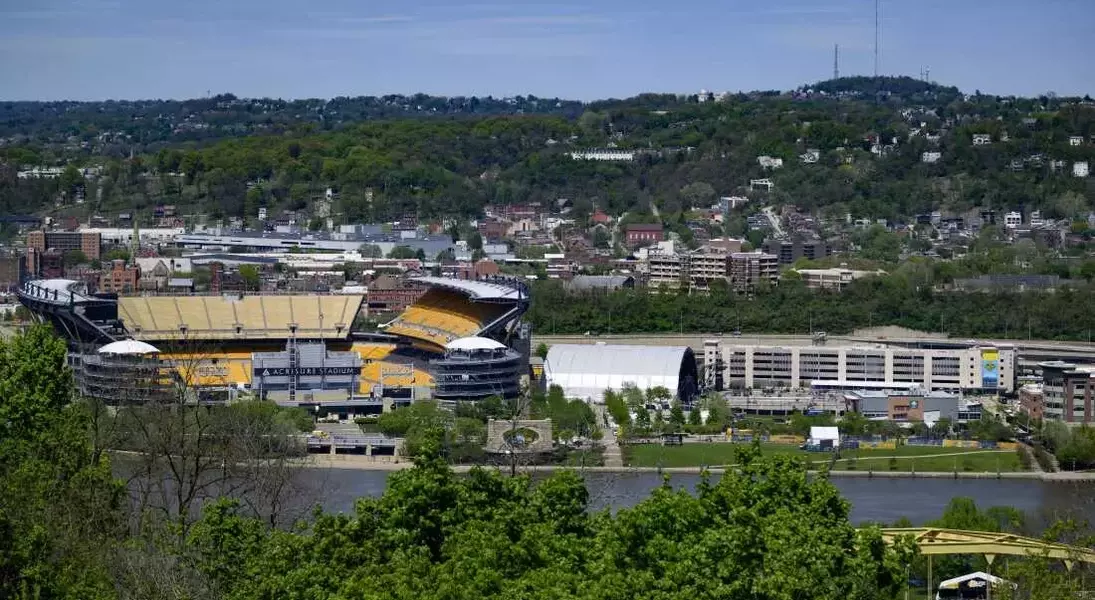
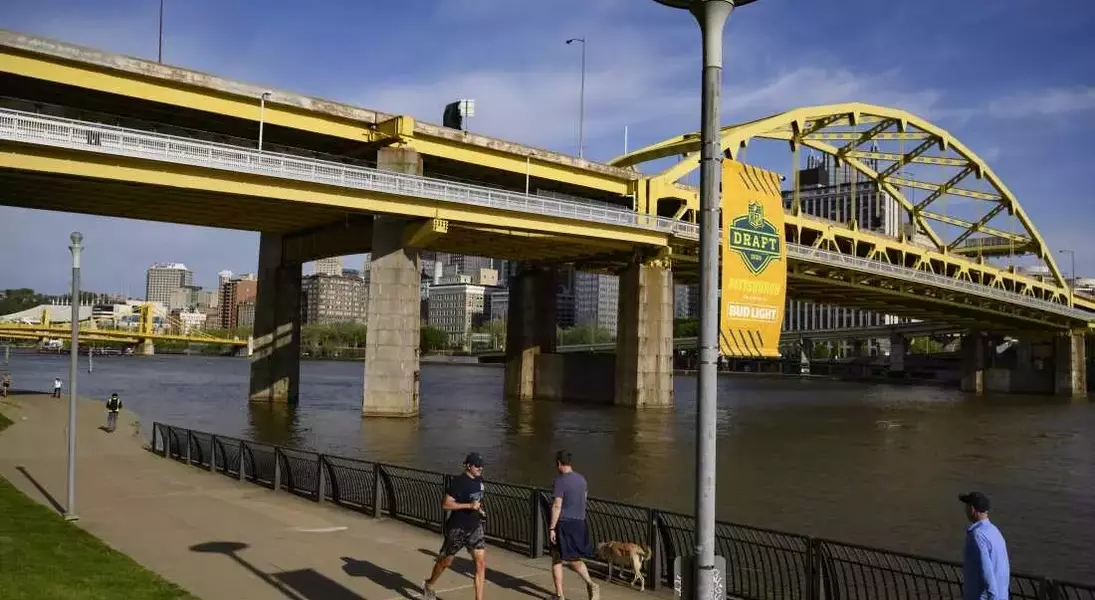
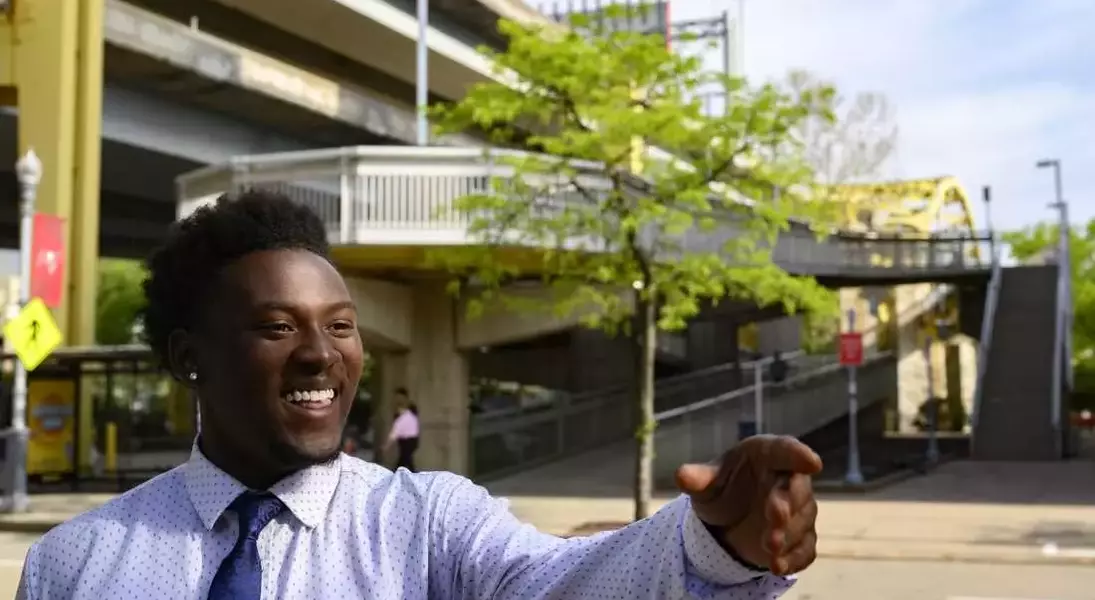
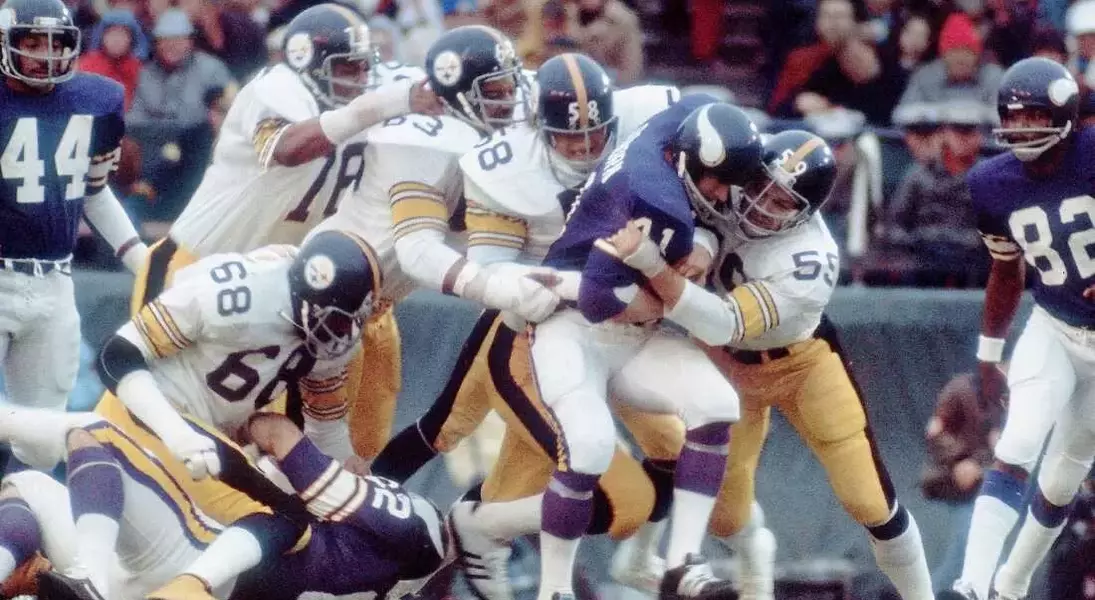
Amir Grigsby, a 22-year-old Pittsburgh native, stands near Acrisure Stadium, brimming with enthusiasm as he recounts the glorious days of the “Steel Curtain,” the formidable Steelers defense of the 1970s. Despite not having been alive during that era, Grigsby embodies the deep-rooted pride of a fifth-generation Pittsburgher, raised on tales of the city’s competitive drive. With Pittsburgh poised to host the NFL draft — an event expected to draw between 500,000 and 700,000 fans, effectively doubling the city’s population for three days — the city’s selection as host is seen by many as a natural recognition of its ardent supporters and its impressive tally of 16 major professional league championships.
A Century-Long Sporting Heritage: From Modest Beginnings to Modern Spectacle
The last time Pittsburgh hosted the NFL draft was in 1947, a stark contrast to today’s public spectacle. Back then, it was a quiet affair where ten team owners and coaches convened at the Fort Pitt Hotel to make their selections. Yet, even in those early years, Pittsburgh was already carving out its identity as a sports hub. The Pirates had secured two World Series titles, and the city was the birthplace of professional football, with the first documented paid professional game occurring in 1892. Early professional hockey also found a home in Pittsburgh’s Duquesne Gardens. The 1970s marked a golden age, with the “Steel Curtain” leading the Steelers to multiple Super Bowl victories and the Pirates adding two more World Series championships to their name, solidifying Pittsburgh’s reputation far beyond its city limits.
The “Steel Curtain” Ethos: How Industrial Might Forged Sporting Greatness
Pittsburgh’s sustained success, including multiple Stanley Cups for the Penguins in the 1990s and 2010s, and additional Super Bowls for the Steelers in the 2000s, is often attributed to the city’s blue-collar work ethic. Mark Fatla, author of “Pittsburgh’s Historic Ballparks,” highlights how the spirit forged in the city’s steel mills, which made Pittsburgh the world’s leading steel producer, translated directly onto the sports field. This “workman-like, gritty” approach, focused on getting the job done, became a defining characteristic of Pittsburgh’s teams. The Steelers themselves were founded on this industrious spirit, with Art Rooney’s legendary horse race winnings keeping the franchise afloat, and the Rooney family continuing to uphold these high standards through generations of ownership.
Sports as a Unifying Force: Rallying a Community Through Economic Shifts
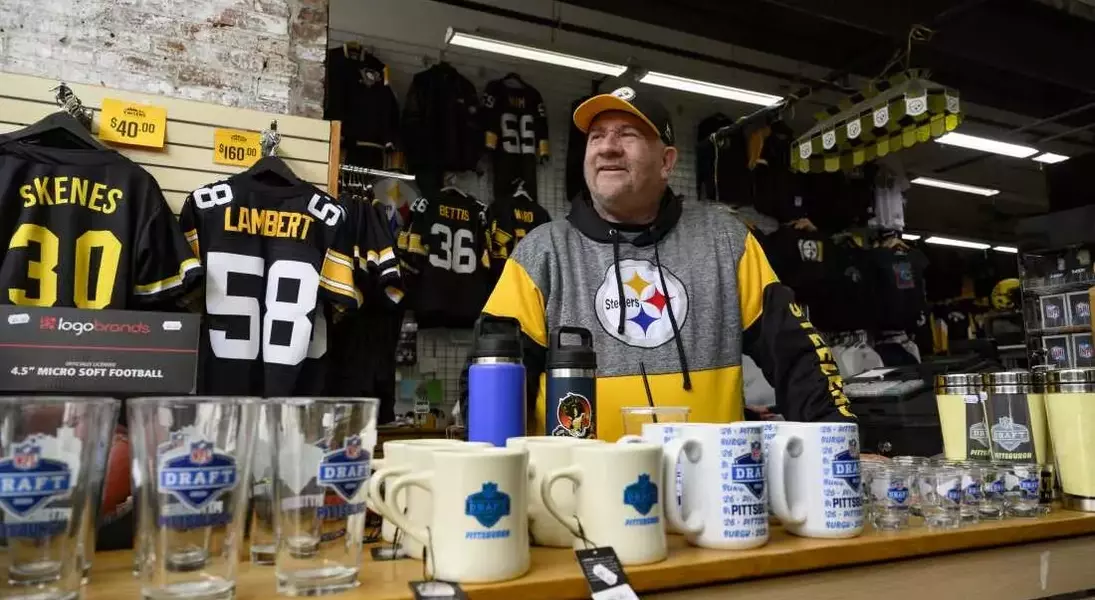
Jimmy Coen, owner of “Yinzers in the Burgh,” a popular souvenir shop for Pittsburgh sports merchandise, emphasizes the Rooney family’s commitment to excellence: “If you’re gonna play for the Steelers, you’re gonna be a winner.” When the steel industry faced a downturn in the 1970s and 1980s, leading to job losses and an exodus of residents, sports became a crucial unifying force for those who remained. Coen notes that “that’s all we had was the Steelers,” underscoring the vital role sports played in maintaining community morale. This strong sense of identity extended beyond the city, creating a “Pittsburgh diaspora” whose members proudly display their allegiance to the black and gold — the colors shared by all three major professional teams — wherever they go.
A Global Fandom: The Resonance of Pittsburgh’s Sporting Legacy
The allure of Pittsburgh sports reaches far and wide. Albert Martinez, traveling from Houston for the draft, inherited his love for the Steelers from his mother, who grew up in Monterrey, Mexico, a city nicknamed the “Pittsburgh of Mexico” due to its steel manufacturing. This intergenerational connection highlights how the city’s teams have cultivated a global following, transcending geographical and cultural boundaries. Pittsburgh Mayor Corey O’Connor, a native himself, observes that the “City of Champions” reputation endures because different generations have witnessed different eras of triumph, from the 1970s Steelers to the more recent Penguins’ championships. As Grigsby confidently states, “History repeats itself,” reflecting the city’s unwavering belief that another championship is always just around the corner.
