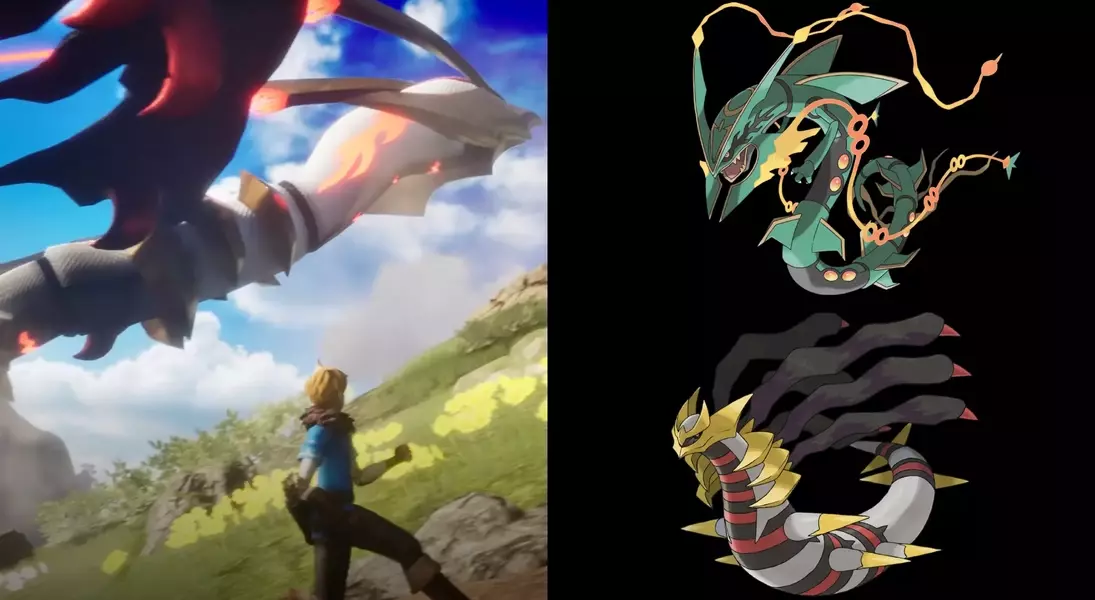
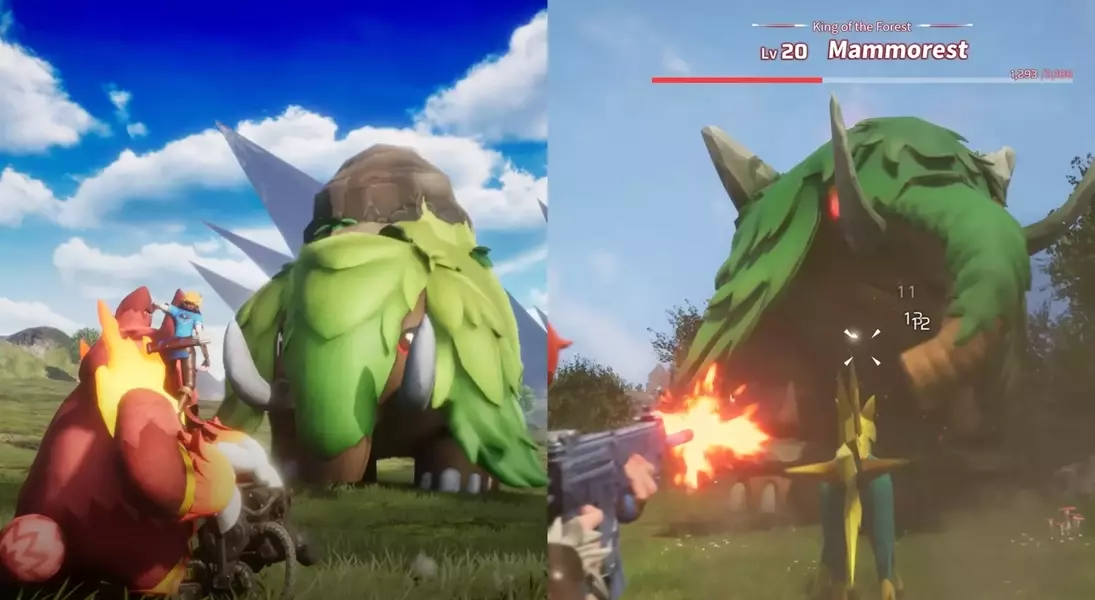
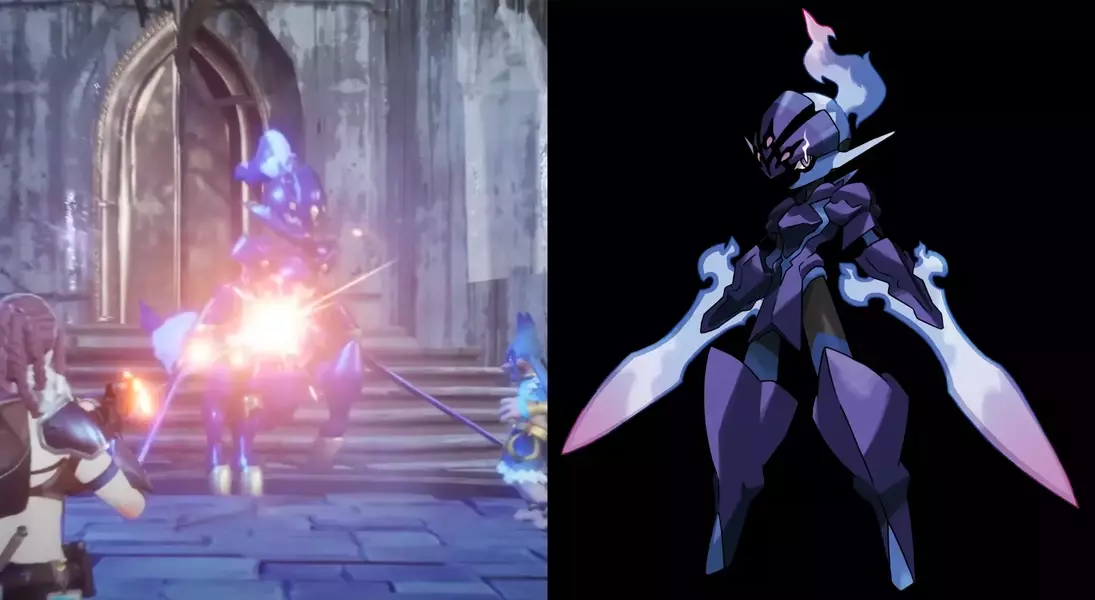
In the evolving landscape of video games, the concept of creative inspiration versus blatant imitation is constantly being redefined. Previously, Palworld stirred controversy with its creature designs, which many noted bore striking resemblances to established Pokémon. However, a new contender has emerged on Steam, pushing the boundaries of homage into what some are calling a "knockoff singularity." This game, aptly named Pickmon, appears to borrow heavily, and often directly, from a multitude of popular franchises, showcasing a level of audacious mimicry that makes its predecessors seem subtly original.
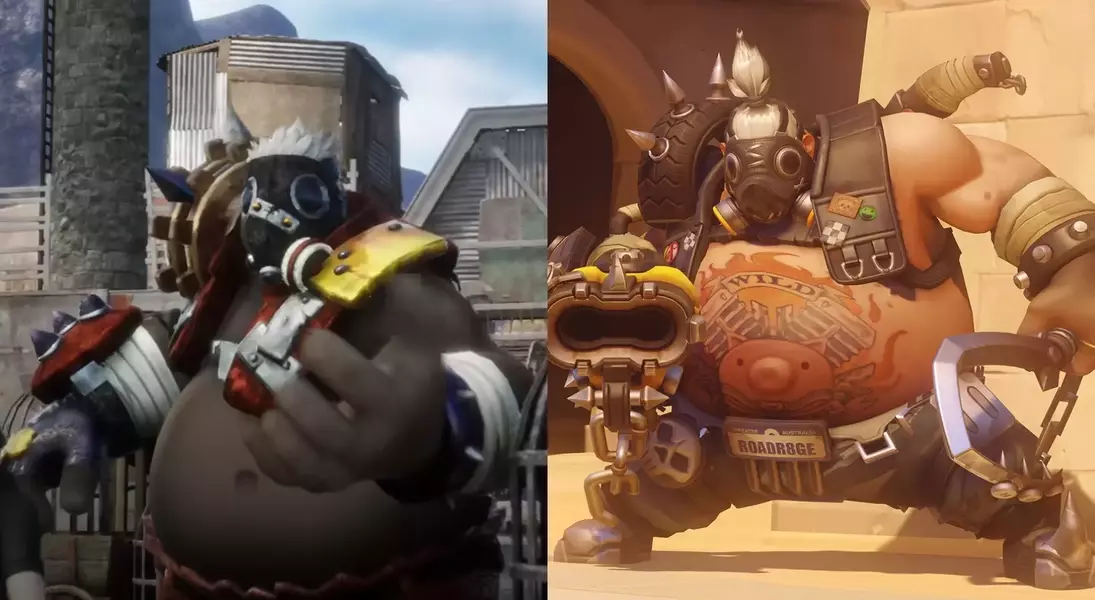
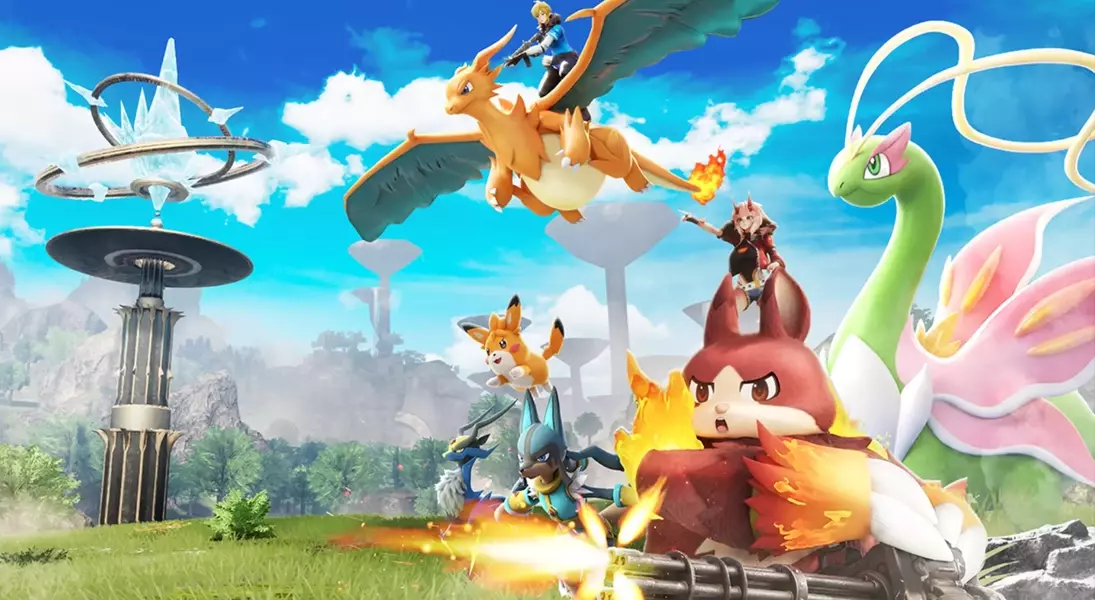
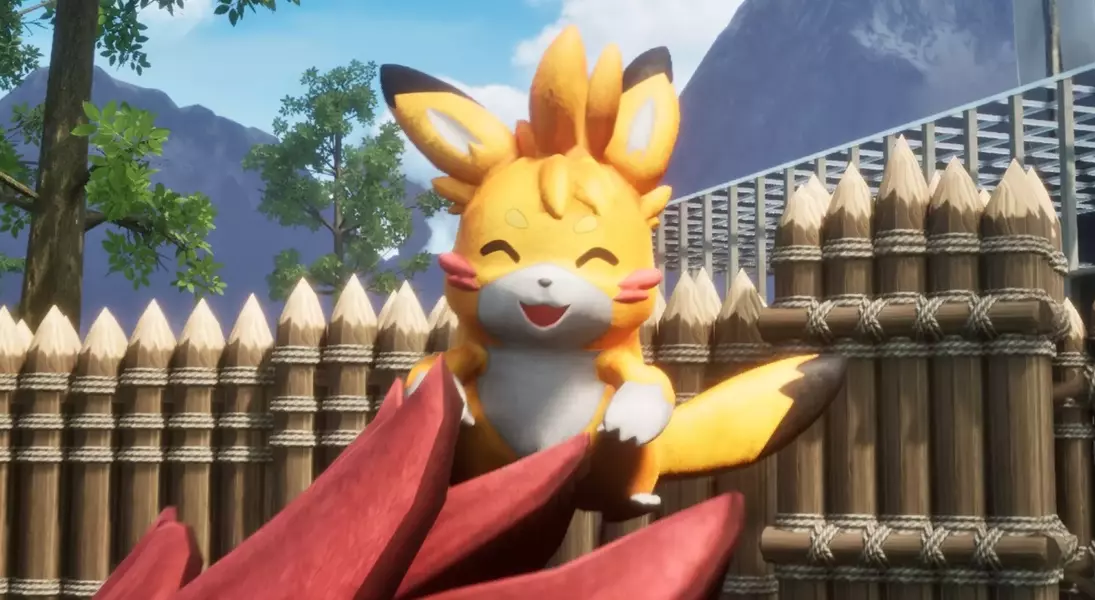
Pickmon positions itself as an open-world survival experience where players team up with their titular creatures to engage in combat, cultivate resources, and construct industrial strongholds. Echoing Palworld's controversial elements, Pickmon's creatures are also depicted wielding firearms. Yet, where Palworld might have made an effort to disguise its influences, Pickmon makes no such pretense. Its promotional materials openly display characters that are unmistakably derived from Pikachu, Link from The Legend of Zelda, and even characters from Overwatch, all integrated into a mishmash of familiar aesthetics. The game's developers, PocketGame and publisher Networkgo, appear to navigate intellectual property laws by making subtle changes, such as capturing creatures with cards instead of spheres, a clever but transparent workaround for existing patents.
While these design choices may steer clear of direct legal infringement, they ignite a broader discussion about ethical considerations in game development. The sheer volume of familiar designs within Pickmon raises questions about innovation and originality. Although the legal system might tolerate such appropriations as long as specific thresholds for infringement are not met, the creative community and consumers are left to ponder the value of such products. The commercial success of games like Palworld, despite their derivative nature, may inadvertently encourage a trend where originality takes a backseat to marketable familiarity, potentially leading to a market saturated with uninspired replicas rather than fresh, inventive experiences.
Ultimately, the emergence of games like Pickmon serves as a potent reminder of the ongoing tension between legal boundaries and ethical responsibilities in the creative industries. While current laws might permit such overt borrowing, it is crucial for both creators and consumers to foster an environment that values genuine innovation and artistic integrity. Encouraging truly original concepts, even in a world eager for familiar escapism, is vital for the sustained health and diversity of the gaming ecosystem, ensuring that future creations are not merely echoes of the past but bold new visions.
