
Philips Hue is poised to transform the smart home landscape by embedding sophisticated motion detection directly into its light bulbs. This pioneering move, known as Hue MotionAware, leverages radio-frequency (RF) sensing to detect movement, marking a substantial evolution in automated home environments. This integration eliminates the necessity for separate motion sensors, streamlining smart home setups and offering an intuitive, responsive lighting experience. The technology is primarily powered by the newly introduced Hue Bridge Pro, underscoring Philips Hue's commitment to continuous innovation in smart lighting.
Philips Hue Unveils MotionAware: The Future of Smart Lighting
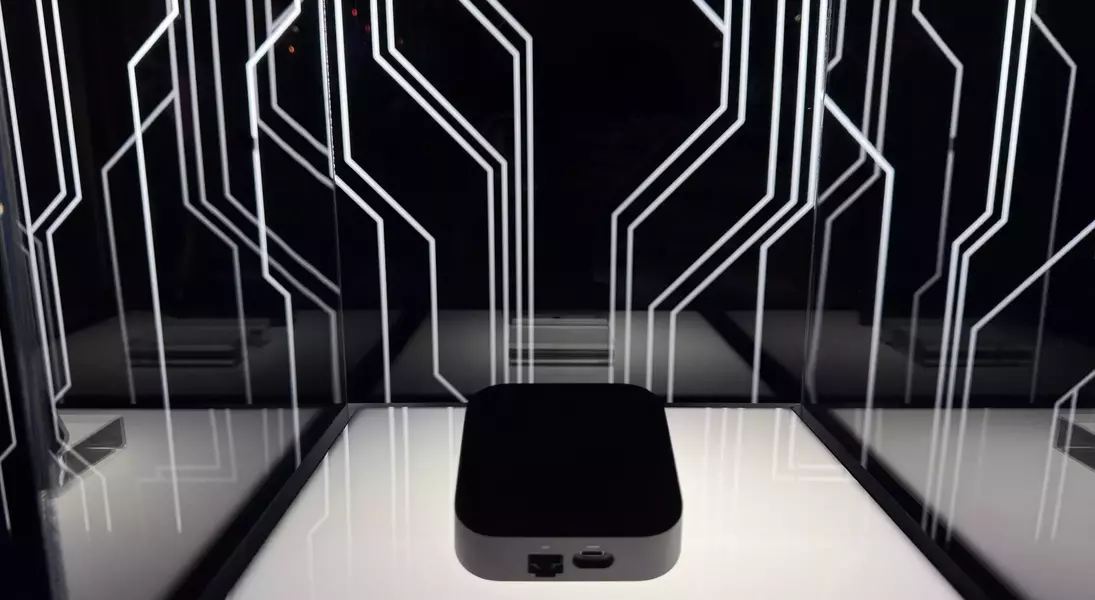
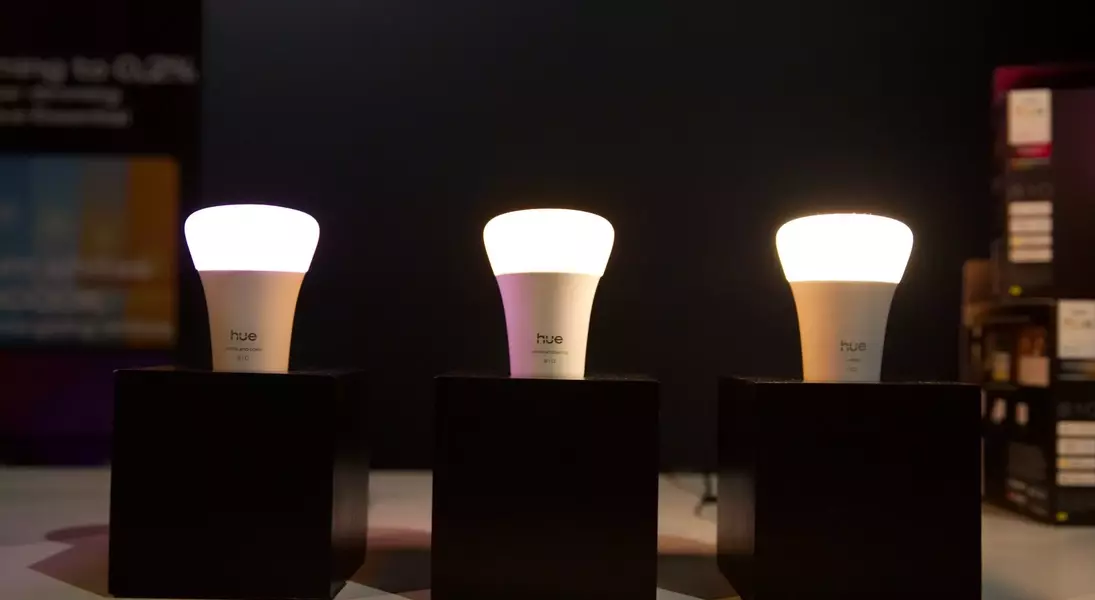
In an exciting development announced at the prestigious IFA 2025 tech exhibition, Philips Hue, under its parent company Signify, has introduced a groundbreaking feature named MotionAware. This innovative technology retroactively imbues smart light bulbs, both new and those manufactured post-2014, with the ability to detect motion using variations in their Zigbee network signals. This advanced RF sensing capability allows for responsive lighting automation, setting a new standard for intelligent home illumination. Users will need the newly released Hue Bridge Pro, priced at $90, to activate MotionAware, which is compatible with a vast majority—95 percent—of existing mains-powered Hue products, including various smart bulbs, light strips, and fixtures. Portable devices and battery-operated accessories, however, are not supported. This enhancement signifies a pivotal moment for smart home technology, moving towards a more integrated and less intrusive system.
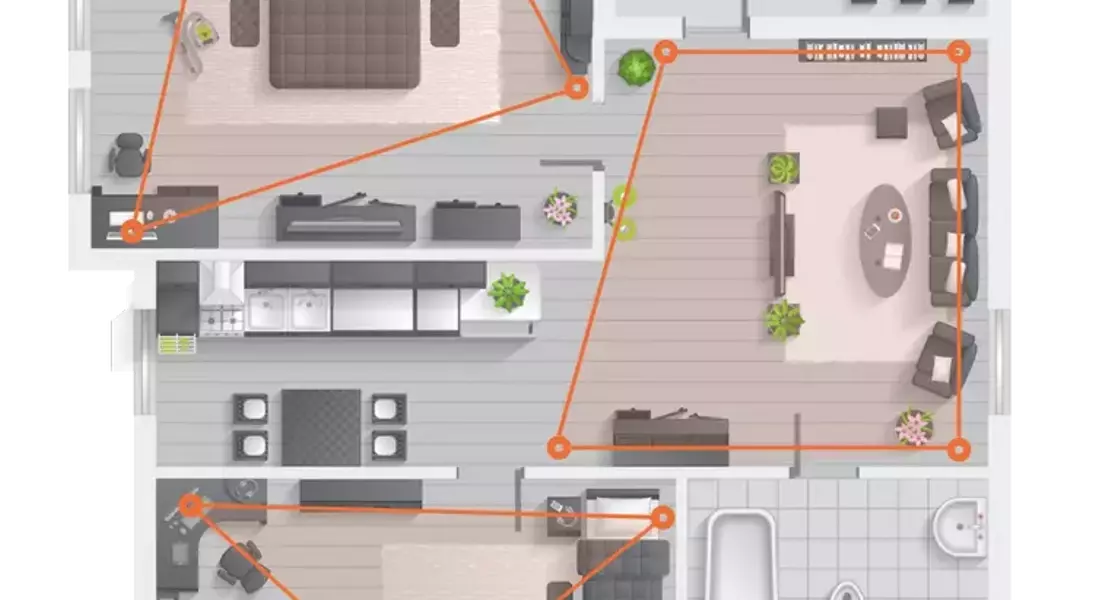
To configure a MotionAware sensing area, at least three mains-powered Hue devices must be present within a room, forming a detectable zone. The Hue app facilitates the setup, allowing users to designate participating lights and fine-tune motion sensitivity. Unlike passive infrared (PIR) sensors, MotionAware offers broader coverage and is not restricted by line of sight, though it does not inherently sense light levels. This can be compensated for by pairing with external light sensors. George Yianni, Hue CTO and founder, emphasized the feature's reliability and superior performance compared to previous RF sensing efforts, including Wi-Fi-based solutions. While lighting automation remains a free feature, integration with Hue Secure—Philips Hue's security platform—requires a subscription, enabling advanced functionalities like flashing lights and siren activation upon motion detection. Philips Hue assures users that MotionAware is entirely opt-in, with all motion data processed locally on the bridge, adhering strictly to privacy standards like GDPR, and eschewing prior intentions to mandate a Hue account.
The core of MotionAware lies in its RF sensing technology, which utilizes wireless signals to perceive changes within a space. This data is then transmitted to the Bridge Pro, where advanced AI algorithms interpret the disturbances to identify movement. This processing power is exclusive to the Bridge Pro, distinguishing it from earlier models. While Wi-Fi RF sensing has faced challenges with reliability, Philips Hue’s adoption of Zigbee for MotionAware promises enhanced stability and fewer false detections, a testament to years of meticulous development. Yianni acknowledged the complexity of perfecting such a system for reliable daily use in varied home environments. Although MotionAware sensing areas cannot currently serve as triggers for automations in third-party platforms or through Matter, its foundational role in realizing the ambient smart home vision is clear. Ivani, a US-based technology firm, developed the Sensify IP that underpins MotionAware, highlighting the potential for RF sensing to extend beyond motion detection to capabilities like fall and sleep detection, further integrating technology seamlessly into daily life. As Yianni aptly concludes, the lighting industry is uniquely positioned to deliver unobtrusive, room-level, real-time presence sensing, bringing us closer to a truly intuitive smart home experience where lighting intelligently adapts to its occupants.
From a forward-thinking perspective, Philips Hue's MotionAware signifies more than just a product enhancement; it's a profound step towards a truly intelligent and reactive living space. The integration of motion sensing directly into lighting infrastructure streamlines smart home adoption, making advanced automation accessible and less visually intrusive. This innovation could catalyze broader acceptance of ambient computing, where environments seamlessly adapt to human presence and needs, rather than requiring explicit commands. The commitment to local data processing and user opt-in is also a commendable stance on privacy, fostering trust in a rapidly evolving smart technology landscape. However, the current limitation regarding third-party platform integration and Matter compatibility suggests room for growth. As smart homes become increasingly interconnected, the ability for MotionAware data to inform a wider ecosystem will be crucial. Nonetheless, MotionAware undeniably lights the path toward a future where our homes anticipate our actions, enhancing comfort, security, and energy efficiency in ways previously confined to science fiction.
