Petra Collins, a renowned artist and director known for her unique perspective on the female gaze, recently shared her insights into personal style and fashion philosophy during an interview on a popular podcast. From her early days of navigating thrift stores to her current status as a multi-faceted creative force, Collins' journey reflects a deep engagement with clothing as a form of self-expression and artistic inspiration. Her discussion touched upon the evolution of her aesthetic, the profound impact of cinematic costumes, and her distinctive choices in acquiring and cherishing fashion pieces.
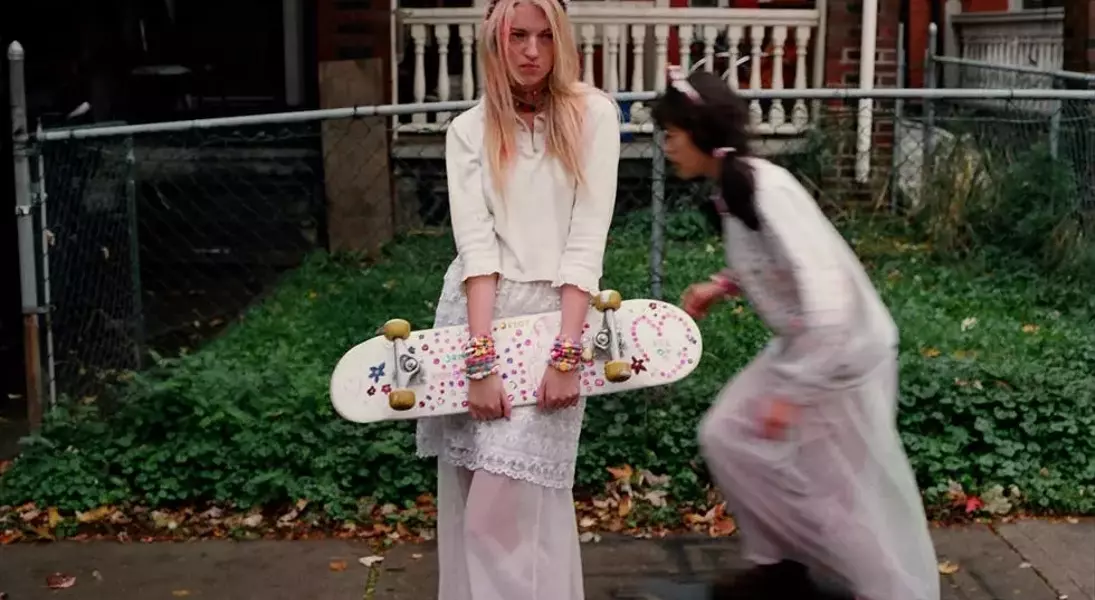
Collins' artistic trajectory began with her impactful photography in the 2010s, capturing the essence of girlhood with a dreamy, pastel-infused touch. Her work, which explores themes from fan culture to sisterhood, often blurs the lines between art and fashion. This integrated approach extends to her personal style, which she describes as an eclectic blend of various eras. Having grown up with limited resources, Collins developed a keen eye for discovering unique items in thrift stores, a habit that instilled in her a profound appreciation for the art of curating a wardrobe without a hefty price tag.
Her personal style is characterized by its adaptability and theatricality, allowing her to embody different personas each day. She draws significant inspiration from film and costume, treating her daily attire as an extension of storytelling. In her formative years, Collins was particularly captivated by 1970s cinema, which influenced her hair and clothing choices, often aiming to replicate the distinctive looks of that decade. Later, her experience working at American Apparel during the Obama era further shaped her aesthetic, exposing her to the vibrant color-blocking and energetic fashion of the 1980s.
A notable aspect of Collins' creative influences is her admiration for horror film costumes. She finds beauty in clothing that evokes discomfort, citing iconic looks from films like Possession (1981) and Audition (1999) as key inspirations. This fascination with the unsettling translates into her work, where fashion often plays a crucial role in creating an atmosphere of intrigue and depth. She also reminisces about her early collaborations with the online teen magazine Rookie, where she recreated elaborate flower crown ensembles inspired by designers like Meadham Kirchhoff, showcasing her dedication to bringing fantastical fashion concepts to life.
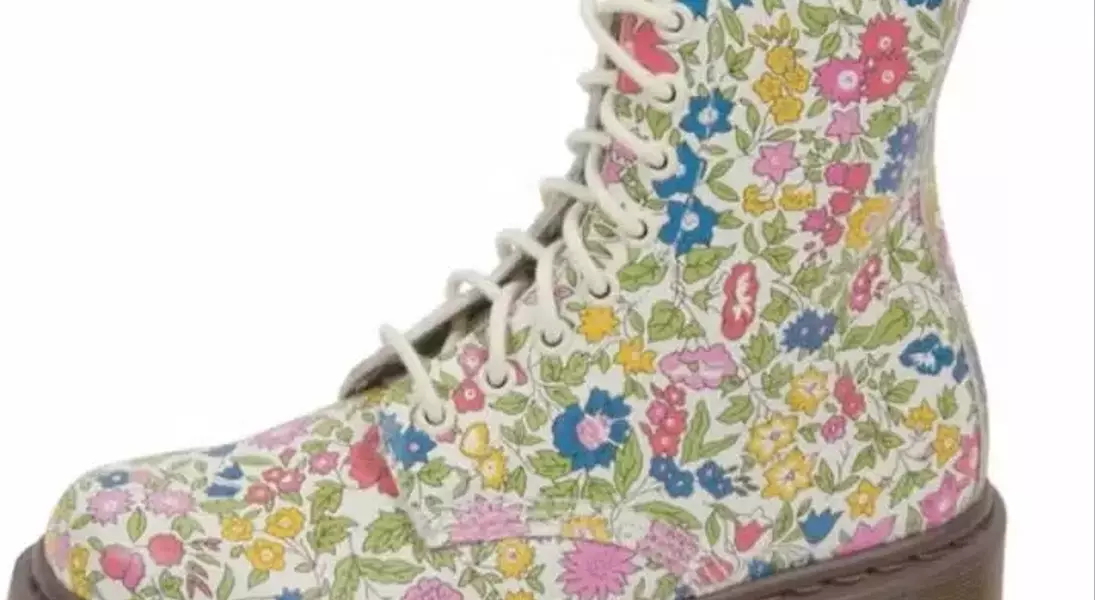
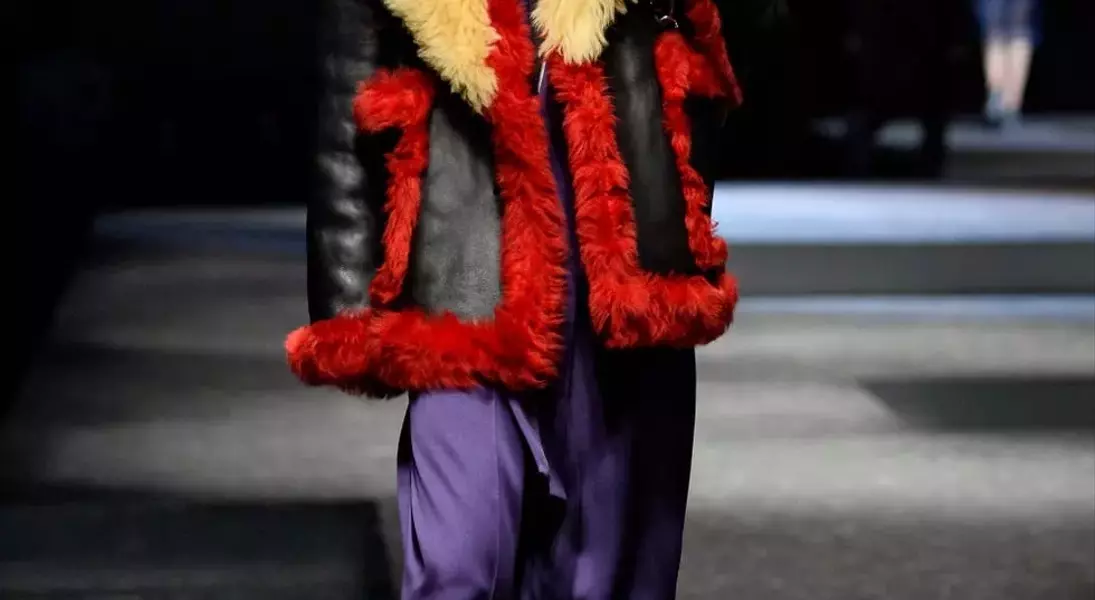
Reflecting on her shopping habits, Collins shared the story of her very first fashion purchase: a pair of counterfeit Liberty print Doc Martens. Despite their inauthenticity and mismatched sizes, she embraced them as her initial foray into fashion. Interestingly, she holds no regrets about her past purchases, preferring to repurpose and reintegrate items into her wardrobe. Her only regret lies in missed opportunities, such as a coveted Prada Mongolian fur coat from the Fall 2014 collection that she couldn't acquire at the time.
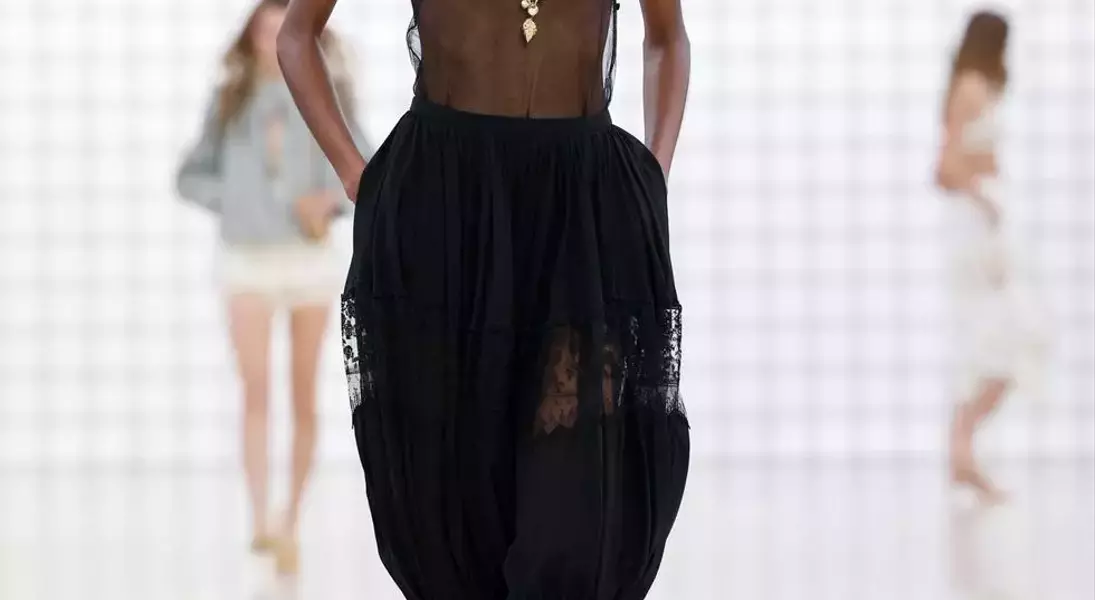
Collins is also an avid collector, with a particular fondness for Blythe dolls. These dolls, initially deemed unsettling upon their 1970s release due to their unique eye-changing mechanism, later became a cult favorite within the fashion industry. Collins has even collaborated on creating miniature clothes for these dolls, highlighting her deep affection for fashion in all its forms, extending beyond human-sized garments to the aesthetic elements that enrich her home environment. Her dream acquisition involves Victorian-era gowns with their distinctive wide-hip silhouettes, a shape she discovered to be incredibly flattering after wearing a similar Chloé dress, envisioning herself attending a grand ball even in everyday wear.
Petra Collins’ narrative offers a compelling glimpse into how personal history, artistic influences, and a genuine passion for fashion converge to shape a truly unique style identity. Her journey underscores the idea that fashion is not merely about trends or labels, but a powerful medium for self-discovery, storytelling, and creative expression. Whether thrifting for hidden gems or dreaming of historical couture, Collins’ approach to clothing is deeply personal and intricately woven into her artistic practice.
