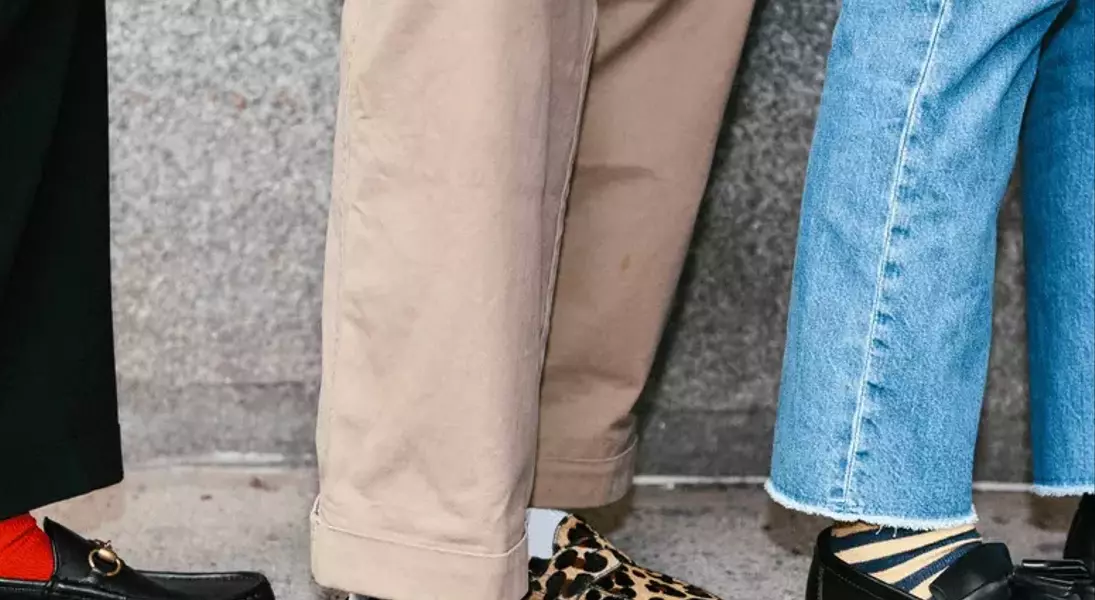

The enduring fashion quandary of whether to pair loafers with or without socks remains a persistent point of contention among style-conscious individuals. While a certain allure surrounds the sockless aesthetic, particularly during warmer months, practical considerations and established sartorial norms often dictate a more nuanced approach. This discussion delves into the various facets of this footwear debate, highlighting expert opinions and personal preferences that shape this seemingly simple choice.
Navigating the Sock-Loafer Conundrum: Style, Setting, and Sanitation
The decision to wear socks with loafers is a delicate balance influenced by setting, weather, and personal hygiene, as articulated by fashion experts and shoe care specialists alike.
Chris Echevarria, the visionary behind Blackstock & Weber, a renowned New York-based specialist in loafers, posits that the choice between socks and bare ankles is largely contingent on the weather and how socks might enhance an ensemble. He firmly believes in the versatility of both options, echoing his grandmother's timeless adage that there is a suitable time and place for everything. However, Echevarria expresses a strong aversion to no-show socks, a sentiment he has maintained throughout his life, never grasping their appeal or necessity.
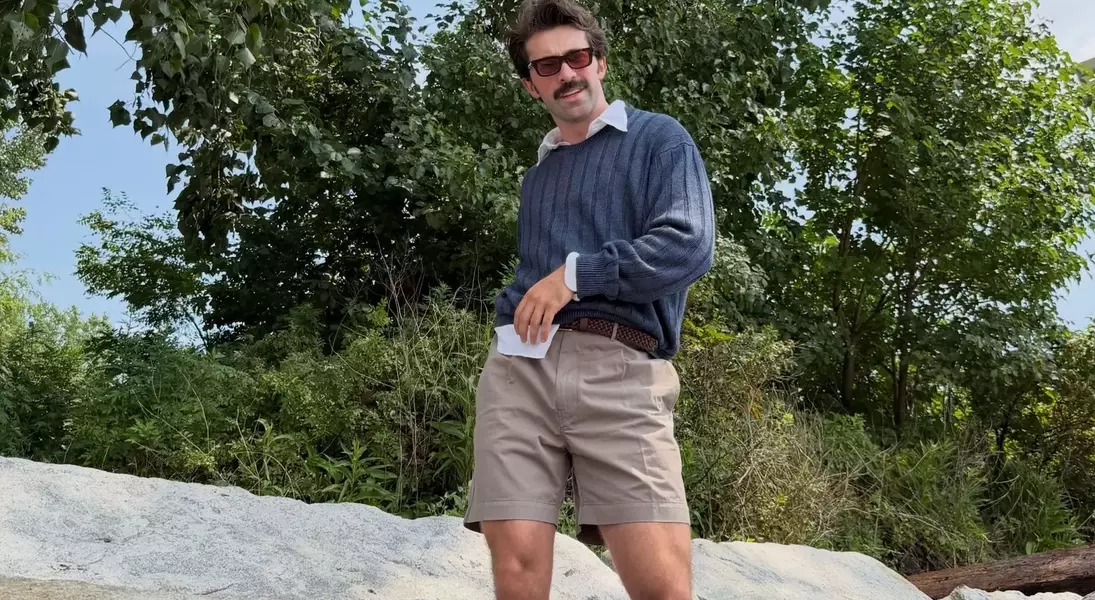
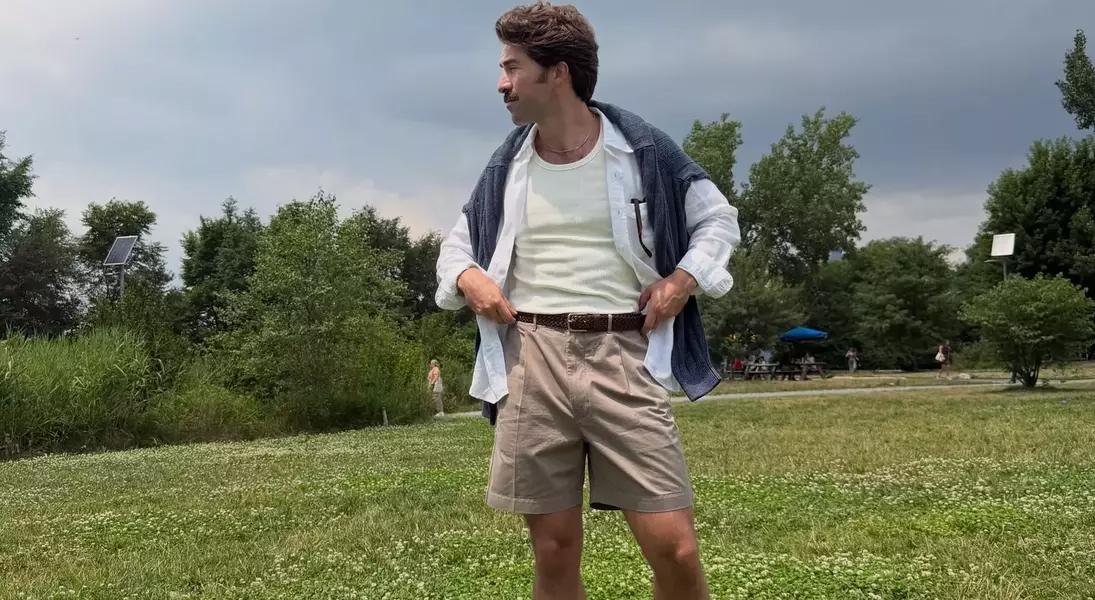
Albert Muzquiz, widely recognized as @edgyalbert, concurs that the ideal moments for going sockless with loafers are those relaxed occasions where one might comfortably unbutton an extra button on their shirt. Despite this, he admits to wearing socks with his loafers 99% of the time, largely influenced by his past observations of the "slim-suit-no-sock-wearing morons" prevalent in reality television shows like The Bachelorette. Muzquiz suggests that if one finds themselves in a hot climate near a body of water, forgoing socks might be acceptable without inviting judgment. Yet, he provocatively questions why, in such scenarios, one wouldn't opt for more suitable footwear such as boat shoes or sandals.
Beyond aesthetics, practical considerations, especially concerning foot health, play a crucial role. Jim McFarland, affectionately known as America's Cobbler and a fourth-generation shoe repair authority from Lakeland, Florida, offers a stark warning. He emphasizes that wearing loafers barefoot daily is ill-advised due to the significant amount of sweat generated—approximately a cup per day. This creates an environment ripe for fungal and bacterial growth. To mitigate these risks, McFarland strongly recommends inserting cedar shoe trees between wears to absorb moisture and regularly treating the footwear with an antifungal spray.
Ultimately, the choice of wearing socks with loafers transcends mere fashion, encompassing an interplay of style, climatic conditions, and crucial hygiene practices. While the effortlessly chic look of a bare ankle might be appealing, the potential for blisters, athlete's foot, and a thriving microbial ecosystem within one's shoes presents a compelling argument for embracing socks, particularly during the humid summer months.
The discourse surrounding socks and loafers, while seemingly trivial, highlights a broader principle in fashion: practicality and personal well-being should always inform stylistic choices. While trends may come and go, comfort, hygiene, and appropriateness to the occasion remain timeless pillars of good dressing. This ongoing debate serves as a reminder that true style is not merely about adherence to current fads, but about understanding the nuanced interplay between aesthetics and functionality, ultimately making choices that are both appealing and sensible.
