A growing trend in football fandom is a form of amplified nostalgia, often termed 'turbo-nostalgia,' which distorts the perception of past events and players. This phenomenon, fueled by readily accessible highlight reels and selective memory, leads to an idealized view of football's history, frequently at the expense of appreciating the current state of the game. It’s a dynamic that sees fans, even young ones, express a preference for earlier eras they haven't personally experienced, suggesting a decline in modern football, despite objective measures indicating otherwise. This tendency risks diminishing the enjoyment of present-day competitions and achievements, as fans inadvertently compare a curated past with the raw, unfiltered reality of the present.
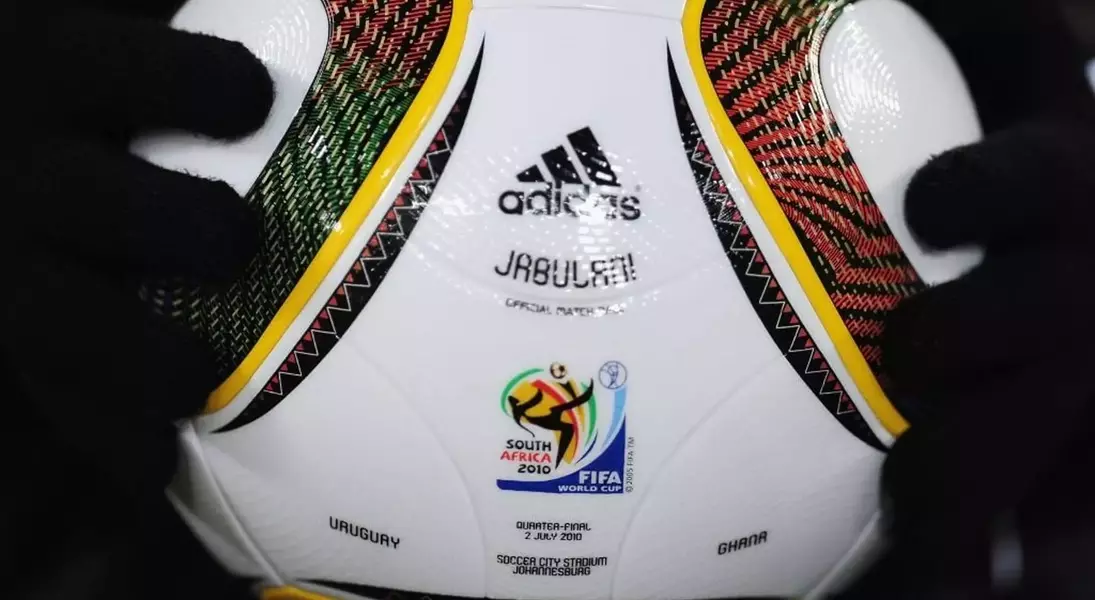
This pervasive romanticization is evident in the re-evaluation of past controversies, such as the infamous Jabulani ball from the 2010 World Cup, which was widely criticized at the time but is now nostalgically remembered as an exciting element. Similarly, the careers of football legends are often distilled into highlight reels, leading to an exaggerated perception of their consistent brilliance. This selective recollection, while seemingly harmless, can cultivate a disingenuous dissatisfaction with contemporary football, overlooking its undeniable advancements in quality and spectacle. The challenge for fans lies in balancing an appreciation for the game's rich history with an open-minded embrace of its ongoing evolution.
The Distorted Lens of Football History
The inclination to view football's past through a romanticized lens has become increasingly prevalent, largely due to the widespread availability of digital content. This 'turbo-nostalgia' often results in a skewed perception of historical events and player performances, where negative aspects are overlooked in favor of memorable highlights. A prime example is the Jabulani football from the 2010 World Cup, initially met with widespread criticism from players and coaches for its unpredictable trajectory and negative impact on goal-scoring. Despite being a significant factor in a tournament widely considered underwhelming, current online discourse frequently portrays it as a positive, even exciting, element that added chaos and goal-scoring opportunities. This stark contrast between contemporary criticism and current adulation exemplifies how selective memory, amplified by curated online content, can completely alter collective historical perception. The actual impact of the Jabulani ball was a reduction in goals and a more conservative style of play, directly contradicting the modern, nostalgic narrative of a ball that encouraged spectacular long-range strikes and exhilarating chaos.
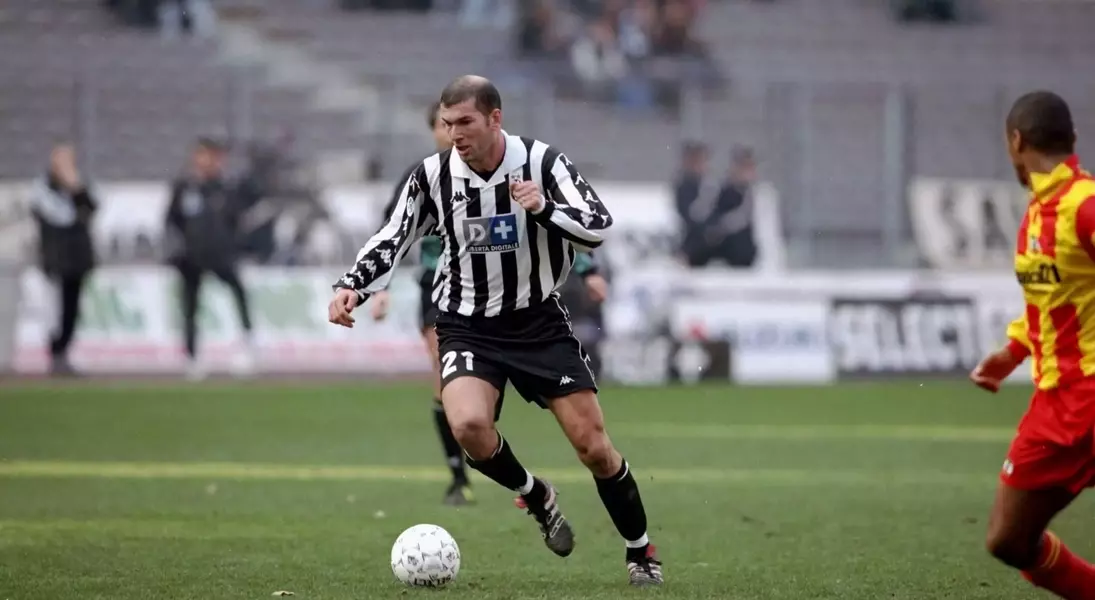
Furthermore, this phenomenon extends to the evaluation of iconic players from previous generations. Through YouTube compilations and social media, the careers of legends like Ronaldo or Zinedine Zidane are often reduced to their most spectacular moments, leading to an inflated and unrealistic assessment of their overall impact and consistency. This curated view neglects the less glamorous aspects of their careers, such as periods of struggle, injuries, or lower statistical output. For instance, the discussion around Ronaldo's single European league title or Zidane's inconsistent periods is often met with resistance, as it challenges the idealized image constructed from highlight reels. This selective remembrance creates an unfair benchmark against which contemporary players are judged, as the full, complex careers of modern athletes are subjected to constant scrutiny, while past legends benefit from a retrospective editing process. The effect is a subconscious devaluing of current talent and matches, as they are perpetually compared to a heavily filtered and exaggerated version of football's past, rather than a realistic, comprehensive historical account.
Embracing the Present Amidst Hyper-Nostalgia
The pervasive nature of hyper-nostalgia in football fandom presents a unique challenge to genuinely appreciating the sport's current iteration. This form of 'anemoia,' or false nostalgia for unexperienced pasts, impacts even younger generations, who often echo sentiments of 'modern football being ruined' despite having no firsthand experience of the eras they idealize. While seemingly innocuous, this continuous yearning for an idealized past can diminish the enjoyment of contemporary matches and tournaments, leading to an unfair and often inaccurate assessment of the game's current quality. The recent Euro 2024, for example, despite delivering excellent games and a deserving champion, faced undue criticism and was labeled 'dull' by some commentators who, presumably, were comparing it to fragmented, cherry-picked memories of past tournaments rather than a holistic, objective evaluation.
However, an objective look at the state of football today reveals significant improvements across various aspects, particularly within top leagues like the Premier League. The quality of tactical and technical play has reached unprecedented levels, reflected in an impressive goals-per-game rate. Stadium attendance figures are at record highs, and the English top flight is widely recognized as the premier league globally. This objective reality stands in stark contrast to the nostalgic lamentations that suggest a decline in the sport. Instead of succumbing to a romanticized version of history, fans are encouraged to actively engage with and savor the present moments of football. Recognizing the advancements and excitements of the current game allows for a more fulfilling viewing experience, setting the stage for future generations to perhaps look back on this era with their own form of 'goat season' nostalgia, even if it mirrors the current idealized perception of the once-maligned Jabulani era.
