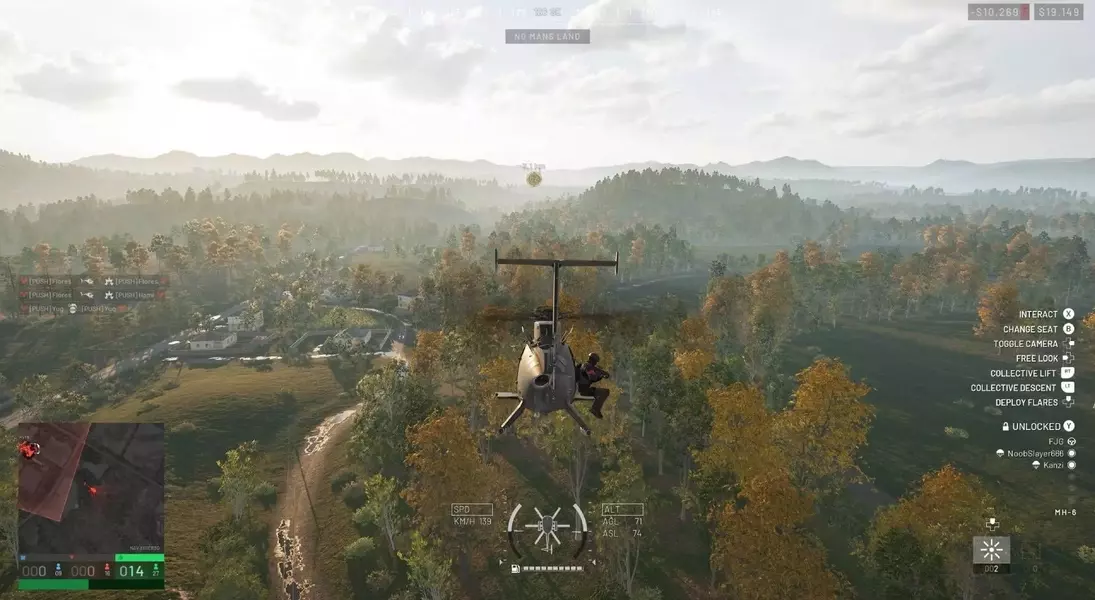
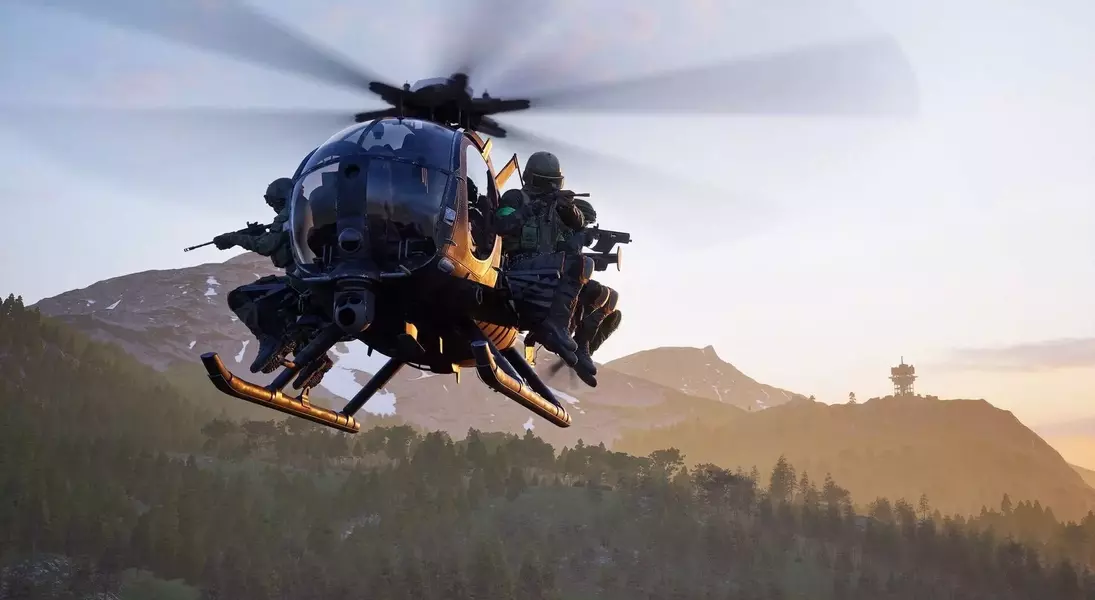

The year 2026 has brought its share of intense moments in the digital realm, from evading grotesque monsters in Resident Evil Requiem to engaging in subterranean skirmishes in 007 First Light, and even facing precarious climbs in Cairn. Yet, none of these experiences quite measure up to the sheer tension of navigating a helicopter in WarDogs.
You might assume that commanding a virtual helicopter, especially in a first-person shooter where its primary function is battlefield deployment, would be straightforward. My own history includes numerous aerial escapades in Grand Theft Auto 5, several missions in the Battlefield series, and countless flights in the Just Cause franchise. However, WarDogs carves its own path.
Bulkhead's senior producer, Kane Allard, shared at Gamescom 2026 that the game's helicopters were meticulously crafted by an actual aeronautical engineer. He explained, “Vehicles are a cornerstone of this game, and our ambition was to infuse them with as much realism and authenticity as possible.” This commitment led to the involvement of an aeronautical engineer to lay the foundational design for their helicopters, ensuring they felt both real and substantial, while also offering an engaging, skill-based piloting experience.
It's no surprise, then, that these aerial machines are remarkably delicate. After dedicating considerable time to practice at the firing range, I've become reasonably proficient at ferrying allies to the battlefield (even authoring a guide on how to fly in WarDogs for Polygon). Initially, however, flying was a nightmare. More precisely, landing was the true ordeal. Maintaining airborne stability was manageable, but executing a swift, efficient, and safe touchdown, allowing passengers to disembark, consistently proved to be the most vexing part.
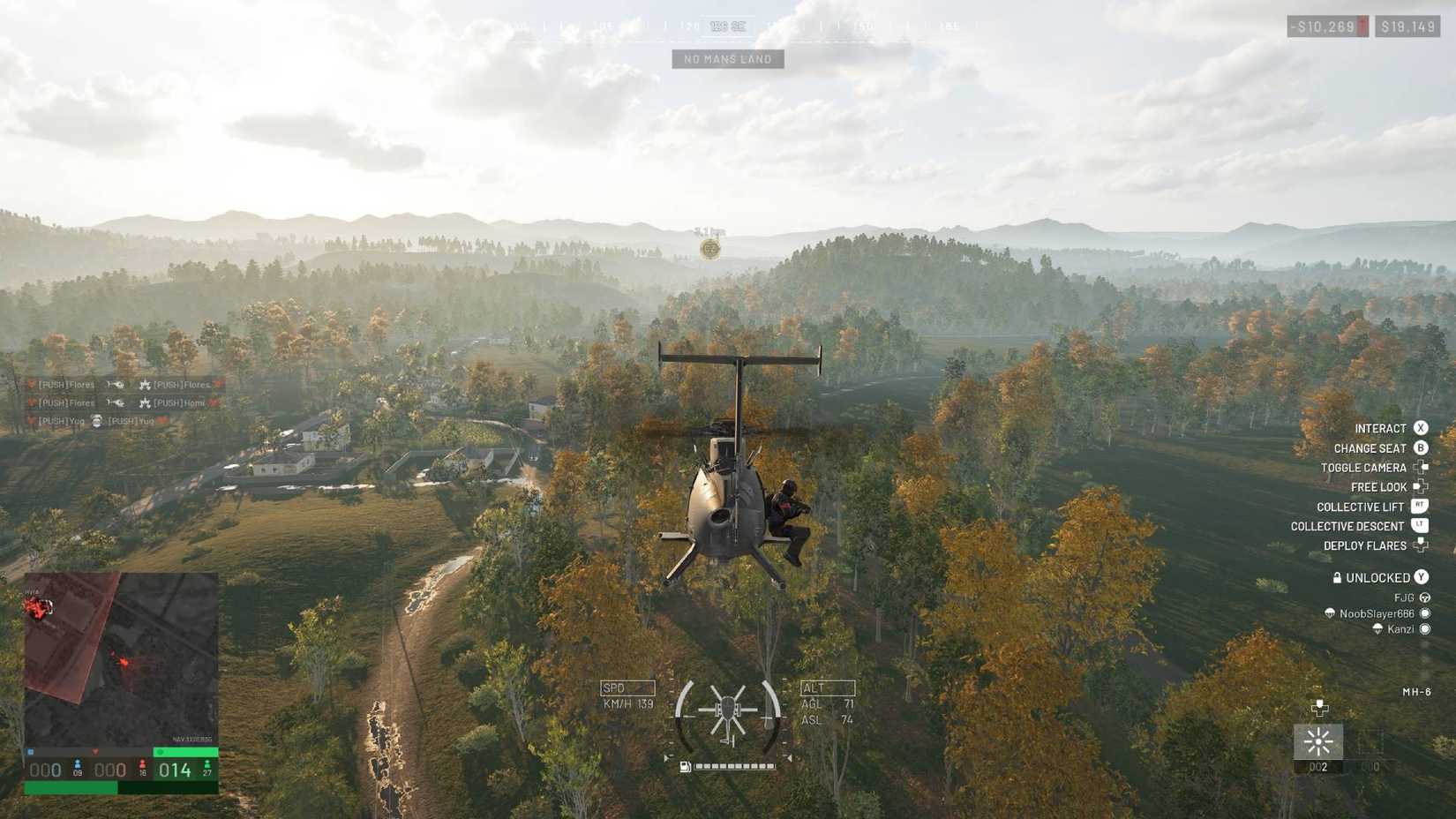
The pressure extends beyond mere piloting; there's the looming awareness that a crash not only nullifies the $6,250 investment in the vehicle but also imperils every passenger who placed their trust in you for safe passage. Should no teammate arrive to revive the fallen — a rare occurrence unless the crash happens within a designated control zone — then all passenger kits are also forfeited, tallying up a collective loss that can soar into the tens of thousands. Following such an incident, trust in your piloting abilities will likely evaporate, relegating you to the passenger seat of another's chopper, tails between your legs.
While some virtual aviators, such as Instagram user designatedpilot, elevate flying to an art form, my personal goal remains simply to transport passengers safely to the control zone. Even this task often generates enough stress for me. I usually opt for ground vehicles, unless I'm seeking a more elevated heart rate.
The Intricate Realism of WarDogs' Aerial Combat Vehicles
In the digital landscape of 2026, the game WarDogs introduces a level of vehicular authenticity previously unseen, particularly with its meticulously engineered helicopters. During the Gamescom 2026 event, Kane Allard, a senior producer at Bulkhead, shed light on the design philosophy behind these aerial machines. He revealed that an aeronautical engineer was brought in specifically to craft the fundamental mechanics of the helicopters, aiming to impart a profound sense of realism and weight, transforming them into challenging yet rewarding vehicles to operate. This design choice, while creating a steep learning curve, offers players the opportunity to truly master the art of virtual flight. The article details the exhilarating yet stressful experience of piloting these helicopters, emphasizing the critical importance of safe landings and the significant consequences of failure, which include financial penalties and a loss of team confidence. Unlike the more forgiving flight dynamics in titles like Grand Theft Auto 5 or Battlefield, WarDogs demands precision and skill, turning every flight into a high-stakes endeavor where the lives and resources of virtual teammates hang in the balance.
This immersive approach to vehicle mechanics in WarDogs invites players to reconsider what "realistic" gameplay truly means. By making every flight a challenge with genuine consequences, the game fosters a deeper appreciation for skill and teamwork. It highlights how integrating specialized real-world expertise, like that of an aeronautical engineer, can elevate gaming experiences beyond mere entertainment, turning them into demanding simulations that test players' patience, precision, and strategic thinking. This commitment to authenticity not only enriches the gameplay but also encourages players to develop new skills, transforming frustration into satisfaction upon mastering its complex controls.
