
Investing in digital assets, particularly those lacking fundamental value like meme coins or certain cryptocurrencies, demands careful consideration. Unlike established financial instruments, these novel assets derive their perceived worth primarily from collective sentiment rather than intrinsic backing or governmental assurance. This absence of underlying value renders them highly susceptible to abrupt fluctuations, often leading to substantial gains or devastating losses for participants. As political figures increasingly explore leveraging such digital tokens for various agendas, it becomes imperative for individuals to distinguish between legitimate investment opportunities and speculative ventures or, at worst, mere financial contributions masked as tradable assets.
Donald Trump's foray into the meme coin space exemplifies the intersection of politics and speculative digital assets. While a polarizing figure, his history of capitalizing on opportunities led to the creation of a Trump-branded meme coin, offering supporters a new avenue for engagement. This trend suggests a potential future where political figures might increasingly utilize such digital tokens for fundraising or public outreach, blurring the lines between political contributions and financial investments. Understanding the true nature of these offerings is crucial for anyone contemplating participation.
To grasp the inherent differences, consider the U.S. dollar. Its value is upheld by the explicit declaration of the U.S. government and, critically, by the public's widespread belief in its stability and utility. This concept, known as fiat currency, underpins global trade. Conversely, if public trust in the government's ability to maintain the dollar's value were to erode, its worth could diminish rapidly. While this scenario is highly improbable for major global currencies like the U.S. dollar, it underscores a fundamental principle: belief and backing are paramount to currency value.
The same logic applies, with even greater intensity, to meme coins and many cryptocurrencies. A meme coin associated with a political personality, for instance, possesses no inherent value independent of the willingness of individuals to acquire it. It is not tethered to a physical commodity, nor does it carry the endorsement of a governing body. Its price is purely a reflection of the sentiment held by its existing and potential owners. The moment that sentiment wanes, the value can plummet, potentially to zero.
California Governor Gavin Newsom's contemplation of launching his own meme coin further highlights this evolving landscape. Whether a political maneuver or a genuine fundraising strategy, the underlying principle remains constant: the value of such a token is speculative and entirely dependent on market interest. Investors should recognize that when they purchase these assets, they are essentially contributing directly to the issuer, with no guarantee of future appreciation. The volatility inherent in such assets means that while short-term gains might occur, long-term sustainability is highly uncertain.
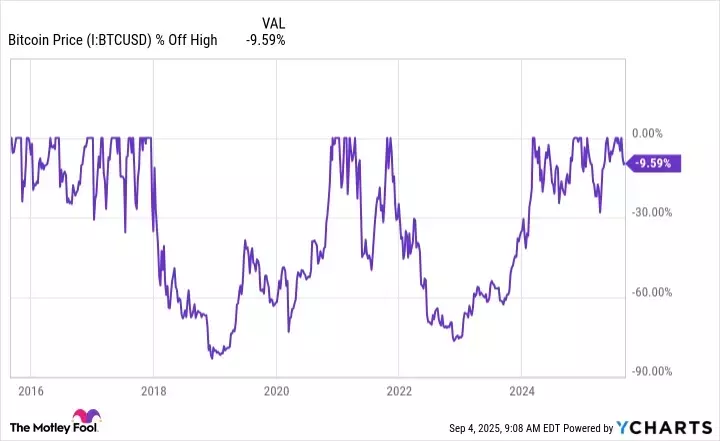
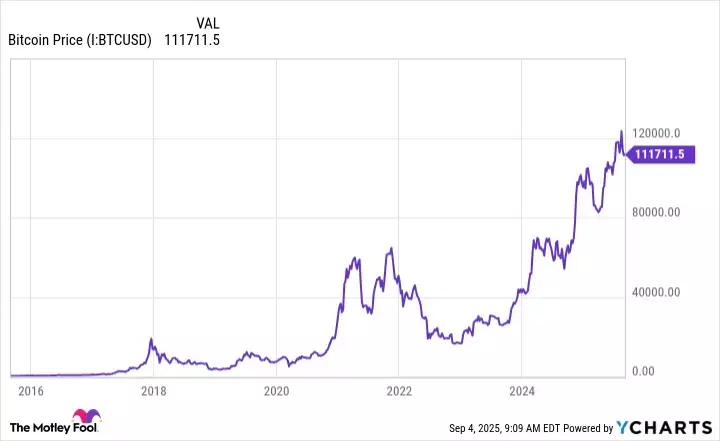
The experience of various cryptocurrencies offers a stark illustration. While prominent names like Bitcoin have achieved significant recognition, their journey has been marked by extreme price fluctuations. Bitcoin, despite its widespread adoption, remains fundamentally reliant on collective belief, making it prone to drastic price swings, including drops exceeding 25% or even 60% within short periods. The proliferation of countless lesser-known cryptocurrencies, many of which have ultimately lost all value, serves as a cautionary tale. This phenomenon is not exclusive to digital assets; similar speculative bubbles have occurred in traditional markets with "me-too" products failing to meet exaggerated expectations.
In essence, traditional stock investments are tied to the tangible value and performance of businesses, and conventional currencies are supported by government backing and widespread acceptance. However, meme coins and many cryptocurrencies derive their entire existence from the collective emotional state and shared perception of their holders. The long-term viability of a politically-linked meme coin, especially once the associated individual loses public relevance, is highly questionable. These digital tokens should not be mistaken for traditional investments; they are fundamentally speculative endeavors, at best a high-risk gamble, and more realistically, a disguised form of political contribution.
