
This narrative details a player's profound connection with the cooperative climbing game, Peak, viewing it as an opportunity to overcome a childhood orienteering failure. The game masterfully blends essential teamwork with lighthearted fun, steering clear of common pitfalls found in other multiplayer titles. It distinguishes itself through innovative resource management and intuitive movement mechanics, offering a deeply rewarding experience that fosters genuine collaboration and playful interaction among participants.
Peak: A Cooperative Gaming Ascent
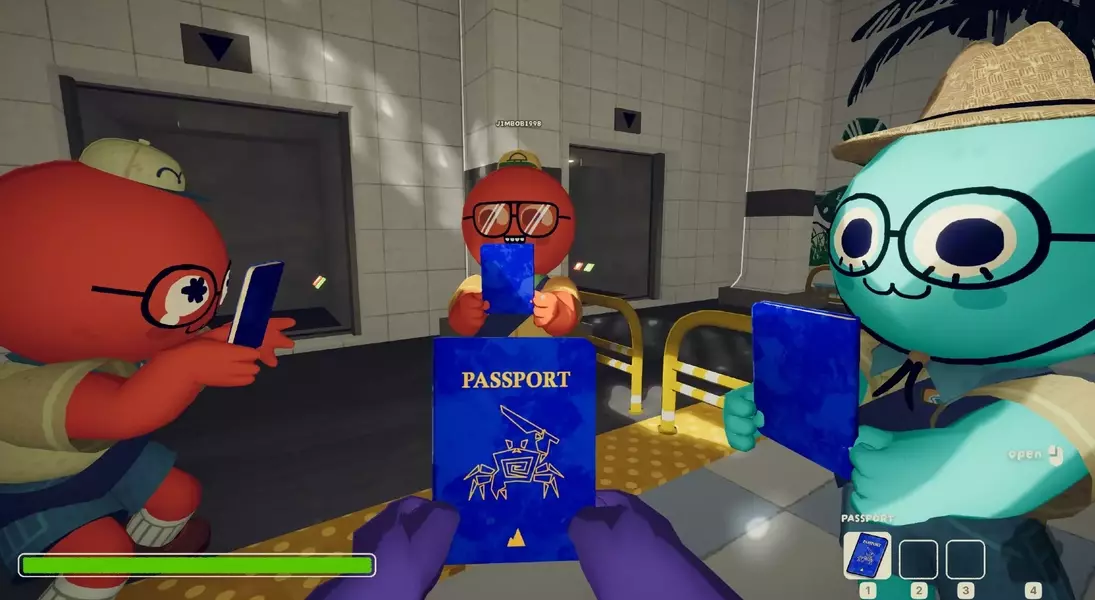
In a world saturated with cooperative games often leading to fragmented group play, a recent title, Peak, has emerged as a beacon of genuine teamwork. Released earlier this year, this climbing adventure offers a unique experience that compels players to work together closely. Unlike games where individuals can stray, Peak introduces a clever mechanic: a menacing skeletal creature that punishes any player venturing too far alone by flinging them off the mountain. This ensures that all team members remain in proximity, fostering an environment where unity is not just encouraged but enforced.
The game's design prioritizes collective decision-making from the outset. Following a crash landing, players must strategically distribute essential items and resources, deciding who carries the crucial backpack and how provisions are shared. Each team member's unique strengths become vital for success. An agile climber might scout ahead, using their expertise to forge a path and assist others, while another's knowledge of edible berries could be the key to survival during resource scarcity. This dynamic interplay of skills cultivates a profound sense of accomplishment as players navigate the perilous terrain as a cohesive unit.
Beyond its emphasis on cooperation, Peak shines as a meticulously crafted climbing simulation. Players quickly develop an intuitive sense for traversable cliffs and the limits of their stamina, making each ascent a calculated challenge. The tactile and responsive movement system enhances the pleasure of identifying optimal routes and precisely placing pitons.
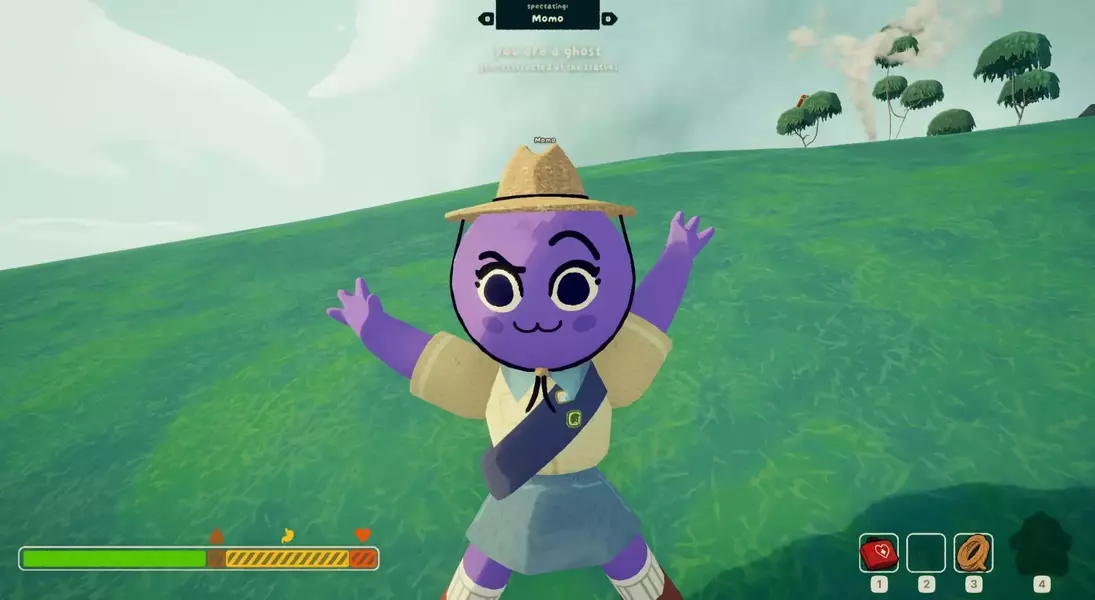
A notable innovation in Peak is its unified stamina bar, which consolidates all vital resources—such as resistance to fall damage, poison, hunger, and carry weight—into a single, easily interpretable meter. This streamlined approach allows players to focus on strategic navigation and the immediate environment, rather than juggling multiple complex meters. This elegant design simplifies resource management, enabling players to concentrate on both the serious task of mountaineering and the delightful antics that arise when friends collaborate, such as playfully tricking a teammate into a banana peel trap.
Peak ingeniously balances serious teamwork with moments of lighthearted fun. It demonstrates that cooperative gaming can thrive without resorting to horror or quirky party themes, instead offering a rich, engaging experience that builds camaraderie and delivers immense satisfaction.
Peak offers a refreshing take on the co-op genre, proving that deep player engagement can be achieved through thoughtful design and a focus on essential collaborative elements. It serves as a compelling reminder that the most memorable gaming experiences often stem from shared challenges and the joy of overcoming them together, fostering not just teamwork but also lasting friendships.
