At the recent Consumer Electronics Show (CES), the personal computer sector emerged as a dominant force, presenting a compelling narrative of advancement and success. The event featured a diverse collection of novel devices, imaginative concept models, and sophisticated accessory hardware, underscoring the enduring innovative spirit within the established PC industry. While the enthusiasm for these developments was palpable, the impending scarcity of dynamic random-access memory (DRAM) components poses a potential challenge to the projected shipment figures for the year, tempering the otherwise optimistic outlook following a period of substantial expansion.
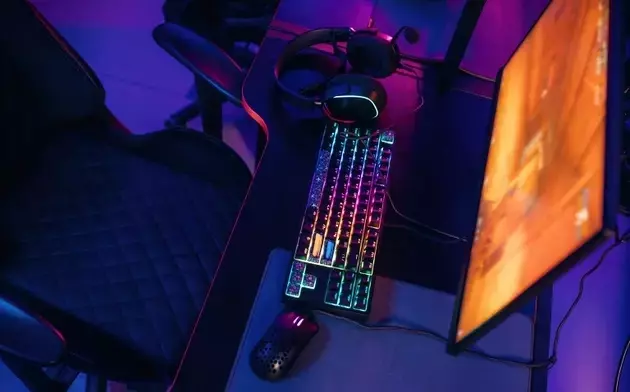
CES, held in Las Vegas, is renowned for its sprawling venues and the sheer volume of technological announcements. Among the myriad unveilings, the PC category consistently captured attention, defying expectations for a mature market. Manufacturers showcased a spectrum of products, from sleek, high-performance laptops and desktops designed for demanding tasks like gaming and professional content creation, to experimental prototypes hinting at future directions in computing. These innovations spanned various aspects of PC design and functionality, including enhanced processing power, improved graphics capabilities, and more efficient thermal management systems. The introduction of advanced peripherals, such as ergonomic keyboards, high-resolution displays, and immersive virtual reality headsets, further augmented the user experience and demonstrated a holistic approach to PC ecosystem development.
A notable aspect of the PC presence at CES was the emphasis on integrating artificial intelligence (AI) functionalities directly into hardware. This trend, exemplified by new processors with dedicated neural processing units (NPUs), promises to unlock new possibilities for on-device AI applications, ranging from intelligent personal assistants to real-time content analysis and enhanced security features. These advancements are poised to redefine how users interact with their computers, making devices more intuitive, responsive, and capable of handling complex computational tasks without relying solely on cloud-based services. The showcased innovations indicated a clear strategic shift towards embedding AI at the core of personal computing, reflecting a broader industry trend towards intelligent edge devices.
The positive momentum generated by these technological strides is, however, overshadowed by concerns regarding the global DRAM supply. Industry analysts and manufacturers alike have pointed to an anticipated shortage of these critical memory components. This supply constraint could significantly impede production capabilities, potentially leading to delays in product launches and reduced availability of new PC models. Such disruptions could temper the growth trajectory of the PC market, even after a strong performance in the preceding year. The delicate balance between rapid innovation and reliable component supply remains a key factor influencing the sector's short-term outlook, highlighting the interconnectedness of technological advancement and global supply chains.
Despite the looming supply chain challenges, the exhibition of innovation at CES solidifies the PC's role as a cornerstone of technological progress. The continuous evolution in design, performance, and user interaction demonstrates a vibrant industry committed to pushing boundaries. The integration of cutting-edge technologies, alongside a focus on user experience, positions the PC market for continued relevance and transformation, provided that manufacturing and supply issues can be effectively navigated to sustain this forward trajectory.
