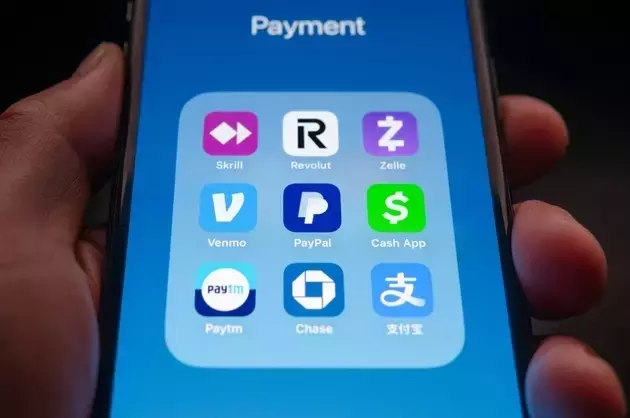
PayPal, once a dominant force in online payments with a formidable two-sided network effect, is now experiencing a significant erosion of its competitive advantages. The entry of major tech players like Apple Pay and Google Pay has fragmented the digital payment landscape, offering consumers and merchants frictionless alternatives and diminishing PayPal's unique position. This intensified competition is forcing PayPal to compromise its margins to maintain visibility in checkout processes, thereby weakening its overall bargaining power in the market.
The company's financial indicators paint a concerning picture, with stagnant user growth and declining engagement. Active accounts have shown only a marginal increase, and the number of transactions per user has seen a noticeable drop. This slowdown in core operational metrics, combined with a conservative financial outlook, suggests that PayPal may be struggling to adapt to the rapidly evolving fintech environment. The market's perception of PayPal as a potential value trap, despite its low valuation, underscores the severity of these challenges.
Competitive Landscape Shifts for PayPal
PayPal's once-unchallenged dominance in the online payment ecosystem is now facing substantial threats from aggressive competitors. Historically, PayPal benefited from a robust network effect, connecting millions of merchants with hundreds of millions of consumers through a seemingly indispensable service. However, the emergence of tech giants such as Apple Pay and Google Pay has fundamentally altered this dynamic. These new entrants offer embedded payment solutions that provide a seamless and often preferred experience for users, directly challenging PayPal's traditional stronghold. The convenience and integration offered by these platforms mean that PayPal can no longer rely solely on its established user base or merchant relationships. The company is now compelled to offer more competitive terms and reduce its transaction fees to stay relevant, directly impacting its profitability and long-term financial health. This shift signifies a critical juncture for PayPal, as it must innovate aggressively to recapture its market leadership and prevent further erosion of its competitive moat.
The competitive pressures are not only coming from big tech but also from a myriad of agile fintech startups that are carving out niches in various payment segments. These smaller, specialized companies often offer innovative solutions and lower costs, further intensifying the battle for market share. As a result, PayPal's negotiation leverage with merchants and financial institutions has significantly diminished. The company's strategic responses, such as focusing on unbranded processing and offering more flexible payment options, are aimed at mitigating these threats. However, these initiatives often come at the expense of higher-margin services, contributing to the observed margin compression. The ongoing struggle to differentiate itself in a crowded market, coupled with the need to constantly adapt to new technologies and consumer preferences, puts immense pressure on PayPal's ability to sustain its historical growth trajectory and profitability. The once-clear competitive advantages are now blurry, requiring a fundamental re-evaluation of its business model and strategic direction to remain a viable force in digital payments.
Financial Performance and Future Outlook
PayPal's recent financial disclosures highlight significant headwinds, with growth indicators showing a distinct deceleration. The company projects a mere 4% revenue growth for 2025, a figure that pales in comparison to its historical performance and signals a maturing market position. More concerning is the anemic 1% growth in core branded checkout volume, which traditionally has been a cornerstone of PayPal's business. This slow growth is not an isolated incident but rather a trend reflecting broader challenges in user acquisition and engagement. The number of active accounts has seen only a marginal 1% increase, while transactions per user have decreased by 5% year-over-year. These metrics collectively suggest that PayPal is struggling to expand its user base and, more critically, to deepen the transactional relationship with its existing users. This stagnant operational performance directly contributes to mounting pressure on profit margins, as the company faces increased competition and a shift towards lower-margin services.
The company's future outlook, as reflected in its withdrawn long-term targets and a conservative earnings forecast, reinforces concerns about its investment viability. Management's decision to retract long-term guidance suggests an uncertainty regarding future growth prospects and profitability, leaving investors without a clear roadmap. Despite what might appear to be an attractive valuation, with a forward P/E ratio of 7.6x, many analysts and investors are increasingly labeling PayPal as a value trap. This perception stems from the persistent margin compression, a flat-to-negative earnings outlook, and a lack of clear evidence of a successful turnaround strategy. The combination of fierce competition, slowing user metrics, and a cautious management stance indicates that PayPal may continue to face challenges in generating substantial shareholder value. Without a clear pathway to revitalized growth and improved profitability, the stock's low valuation may not represent an opportunity but rather a reflection of its underlying operational and strategic difficulties.
