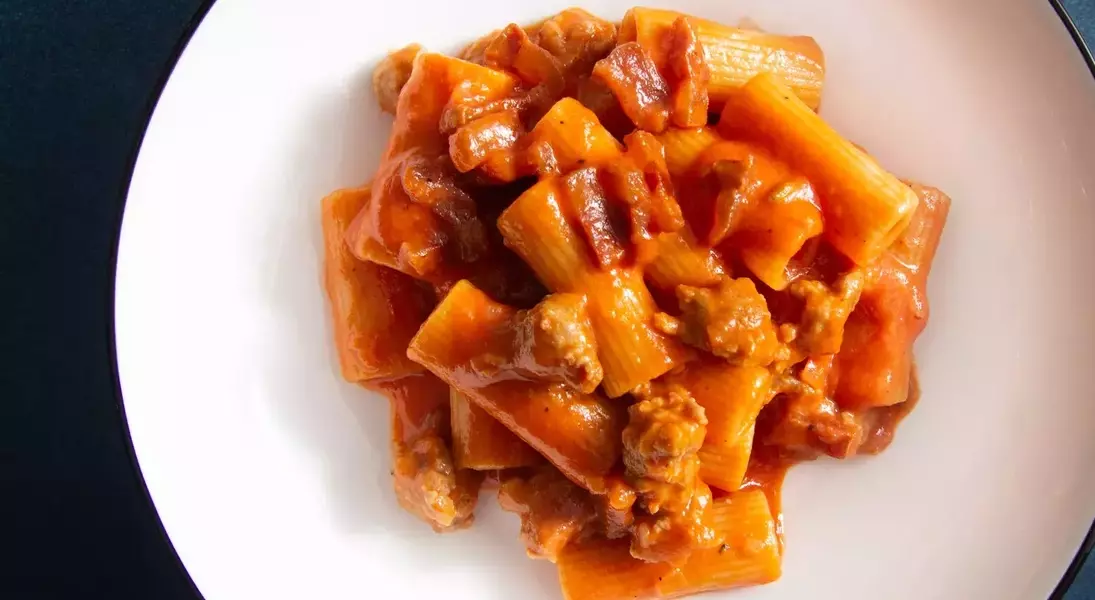
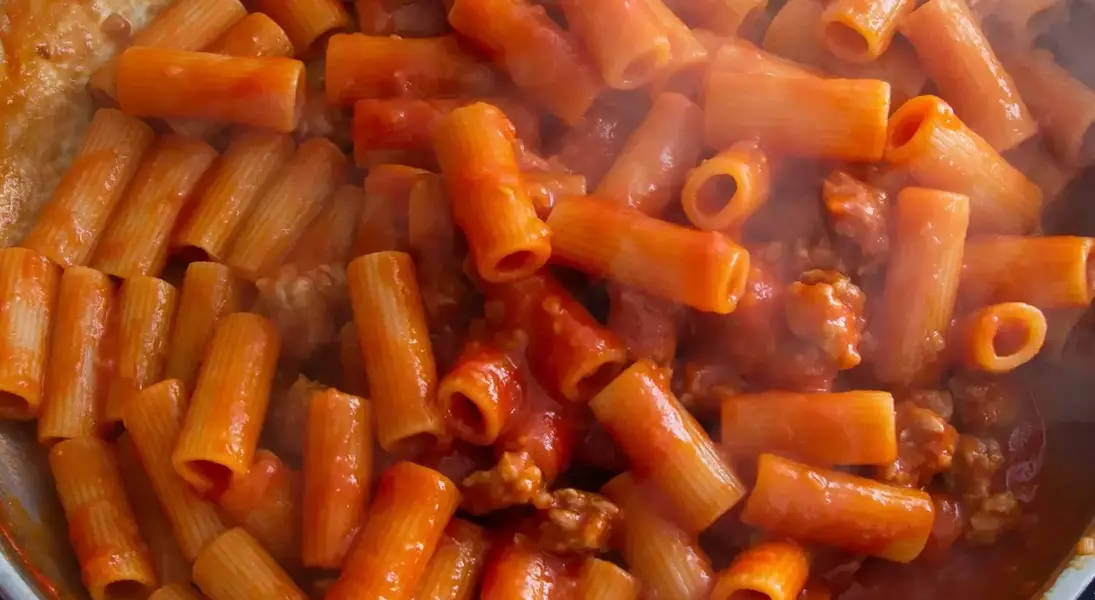
This Roman pasta dish, affectionately dubbed "dirty pasta" or Pasta Alla Zozzona, ingeniously marries the robust flavors of Amatriciana and the creamy richness of Carbonara, with the delightful addition of savory sausage. Far from a subtle creation, this dish embraces decadence, showcasing crispy cured pork cheek (guanciale), tender sausage, aromatic onions, and a vibrant tomato sauce, all infused with the rendered pork fat. The finishing touch involves tossing al dente rigatoni with a smooth blend of egg yolks and Pecorino Romano cheese, creating a luxurious, glossy coating. This recipe stands as a delicious counterpoint to the notion that all Italian cooking is characterized by restraint, proving that sometimes, going "over-the-top" yields the most satisfying results.
While the classic Roman pasta dishes like cacio e pepe, gricia, carbonara, and amatriciana are staples in the Eternal City's trattorias, Pasta Alla Zozzona holds a unique, somewhat lesser-known place. It's not a dish you'll find on every menu in central Rome, where more traditional fare, including adventurous offal preparations like rigatoni con la pajata, is more prevalent. This intriguing pasta's origins lie beyond the city's immediate culinary spotlight, in the charming outskirts.
The dish hails from the Castelli Romani, a historical agricultural area nestled southeast of Rome, near Lake Albano. This region is celebrated for its wine production, particularly Frascati, and its exquisite pork products, notably the renowned porchetta from Ariccia. Pasta Alla Zozzona is a typical offering in a fraschetta, a casual tavern-style eatery even more laid-back than a traditional hostaria or trattoria. These establishments focus on serving hearty, uncomplicated dishes that perfectly complement local wines. The core ingredients of zozzona – guanciale, sausage, eggs, Pecorino, and passata – are common pantry items in the area, often leftover from preparing other beloved Roman pasta dishes. The philosophy behind zozzona is a joyful "why not combine everything for an incredibly delicious experience?" This ethos of creative culinary amalgamation resonates with other global comfort foods.
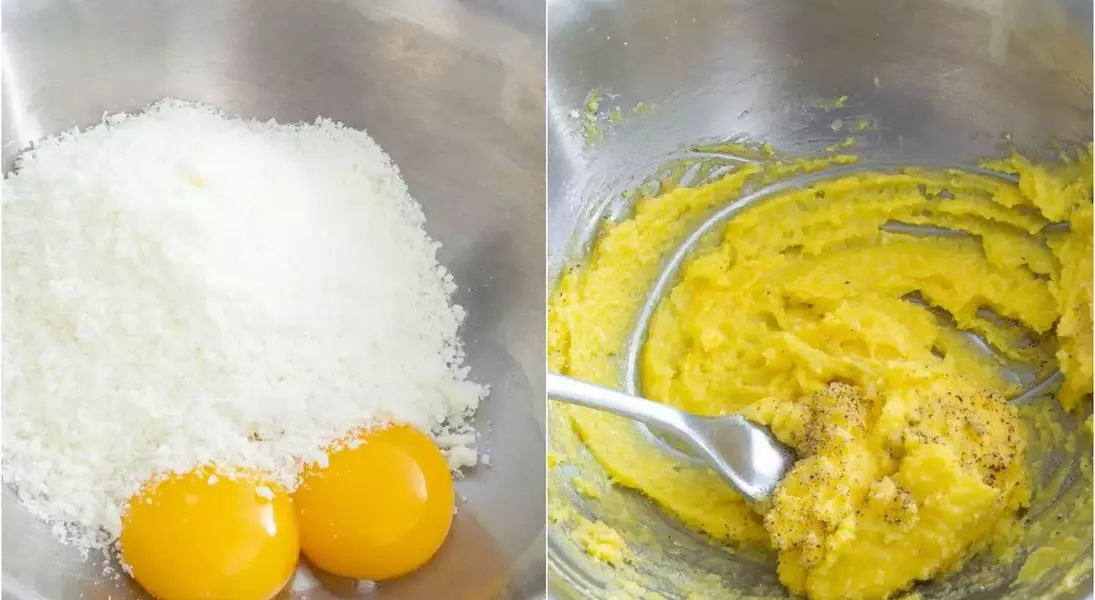
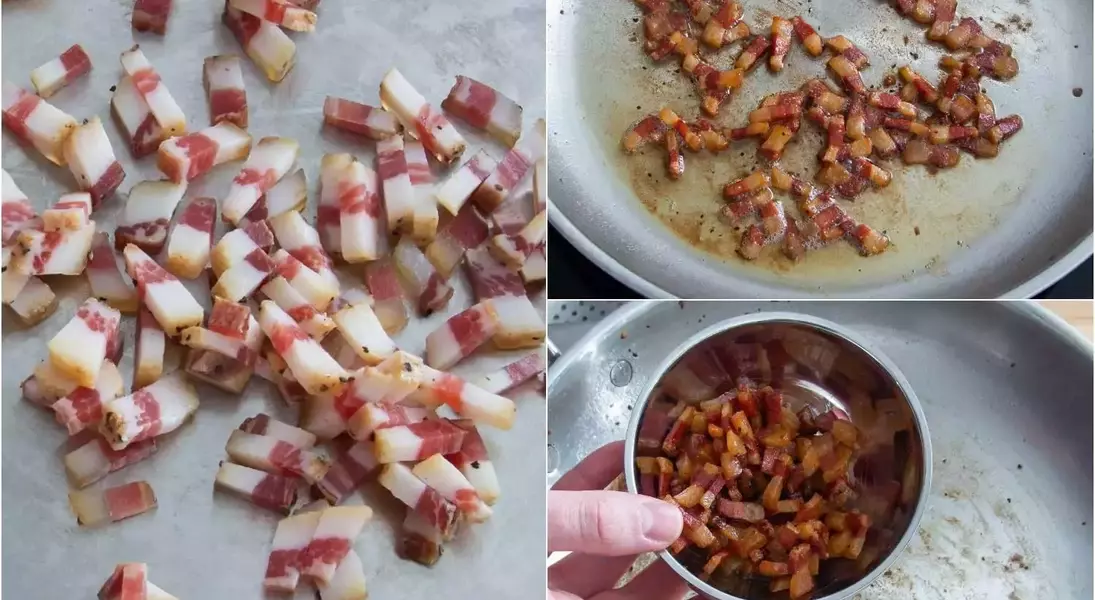
Preparing this indulgent Roman pasta begins with beating three large egg yolks with finely grated Pecorino Romano and a dash of black pepper until a thick, homogeneous paste forms. This mixture is then set aside to await its creamy role in the final stages. Next, guanciale, cut into quarter-inch batons, is slowly cooked in a large skillet over medium-low heat. This gentle rendering allows the fat to melt away, crisping the guanciale to a golden perfection, after which it's removed and set aside, leaving behind a flavorful base in the pan.
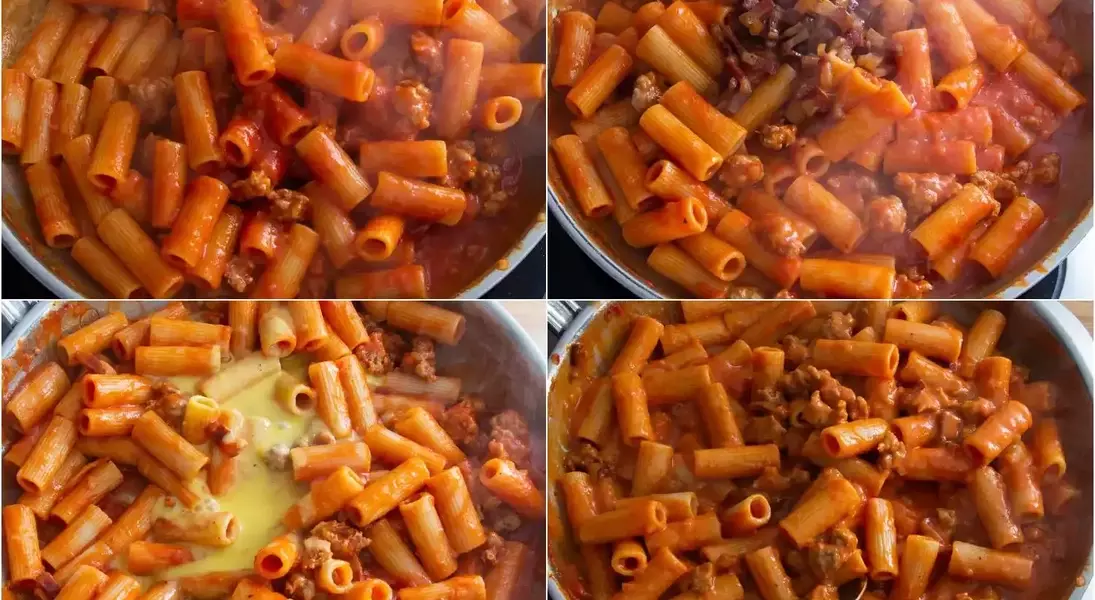
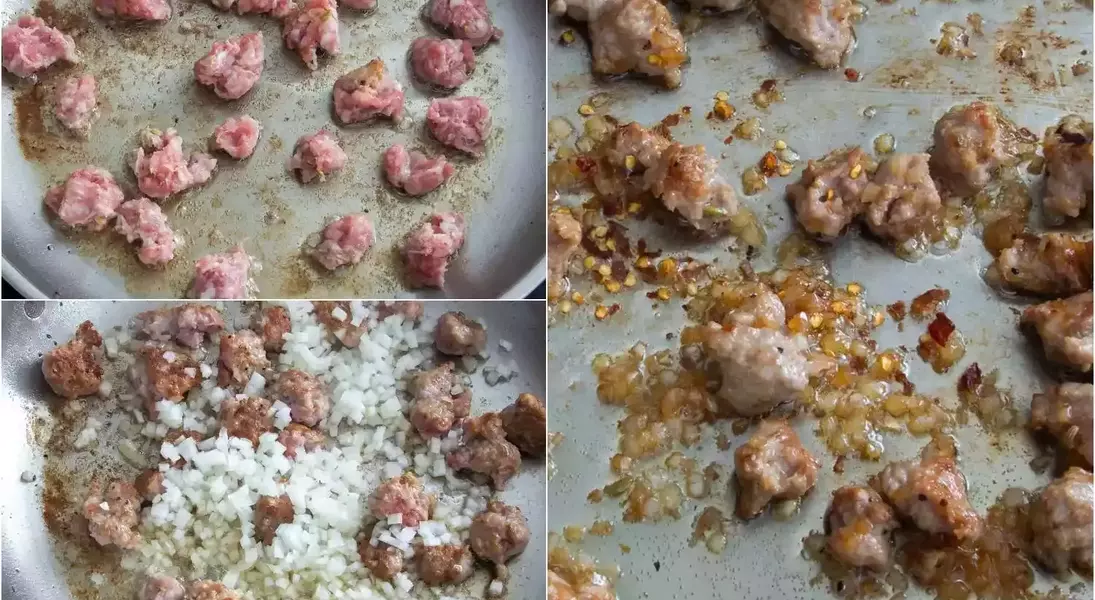
The rendered guanciale fat then becomes the foundation for the sausage and tomato sauce. Six ounces of Italian sausage, either sweet or hot, are pinched into pieces and added to the skillet. The sausage is cooked until lightly browned on one side, then finely chopped onion is introduced, seasoned lightly with salt. The mixture continues to cook, stirring occasionally, until the sausage is thoroughly cooked, the onion is tender, and the fat in the pan is clear. If desired, a pinch of red pepper flakes is bloomed in the rendered fat for about 30 seconds, adding a fragrant warmth. Finally, two cups of tomato passata are stirred in, lightly seasoned, and simmered for approximately 10 minutes until the sauce slightly thickens and emulsifies, creating a rich, flavorful base.
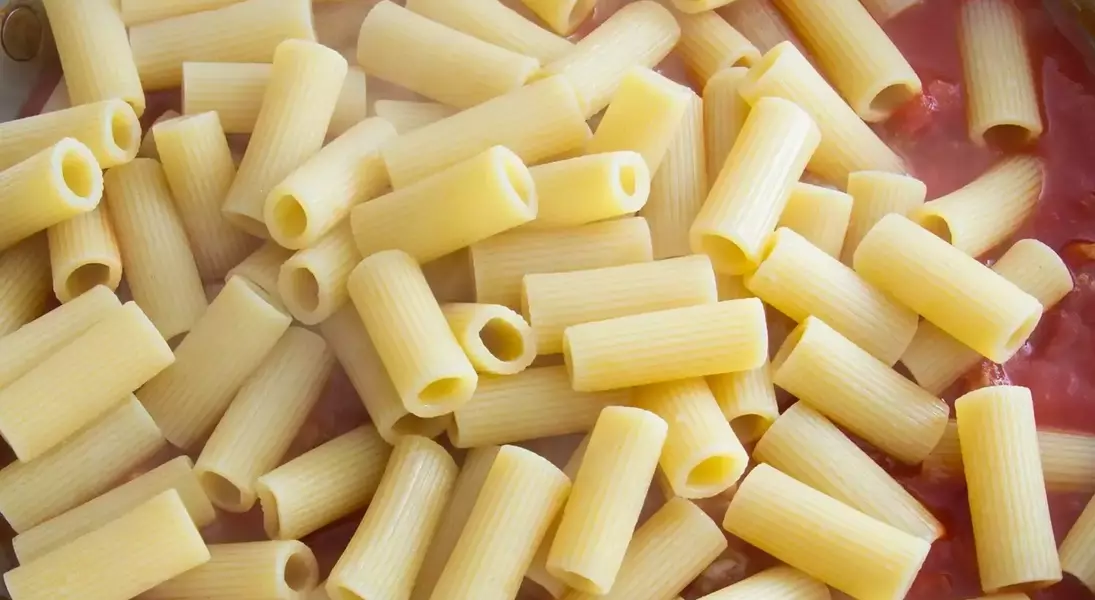
Meanwhile, rigatoni is boiled in lightly salted water until it's softened but still firm in the center, about three minutes shy of al dente. The pasta is then transferred directly into the simmering sauce, along with half a cup of the starchy pasta water. An additional quarter cup of pasta water is added to the reserved egg yolk and Pecorino Romano paste, whisked until smooth, and set aside. The heat is increased to high, and the pasta is stirred and tossed vigorously with the sauce for about two minutes, allowing it to cook to al dente while absorbing the rich flavors. Additional pasta water can be added as needed to achieve the desired consistency. Finally, the skillet is removed from the heat, the crispy guanciale and the tempered egg yolk mixture are added, and everything is rapidly stirred and tossed for 15 to 30 seconds until the pasta is beautifully glossy. Seasoned with salt and pepper to taste, the Pasta Alla Zozzona is then served immediately, with extra grated Pecorino Romano passed around the table.