The recent Spring 2026 Couture Week in Paris transcended a mere display of garments, offering a vibrant commentary on fashion's role in a complex world. From established houses presenting their latest visions to emerging designers pushing technological boundaries, the event served as a crucial platform for artistic expression, industry reflection, and celebrity spectacle. It questioned the very essence of haute couture in the digital age, emphasizing the timeless value of meticulous craftsmanship against the backdrop of rapid social media consumption.
Haute Couture: Where Artistry Meets Reality in a Transforming World
Navigating Global Complexities Through Fashion's Lens
In a period marked by global unrest, the fashion world convened in Paris for Haute Couture Week, prompting discussions among editors about the appropriateness of social media engagement during such times. Yet, the collections themselves provided a much-needed sanctuary. Lauren Amos of Antidote articulated a widely felt sentiment: the necessity of beauty and artistic endeavors when the world feels most daunting. Designers rose to the occasion, presenting collections that were both uplifting and thought-provoking, showcasing the pinnacle of their artistry.
A Glimpse into the Spring 2026 Couture Calendar
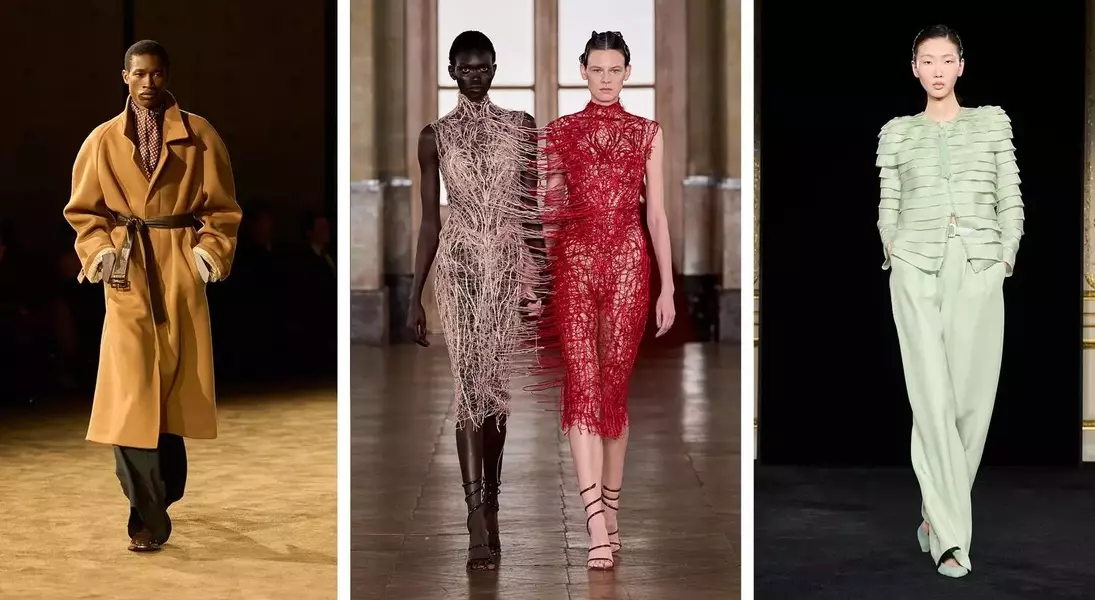
From January 26 to 29, the Spring 2026 Couture Week unfolded, featuring 28 prestigious houses. Notable moments included the highly anticipated couture debuts of Jonathan Anderson at Dior and Matthieu Blazy at Chanel. The week also paid homage to fashion luminaries, including Valentino, following the passing of founder Valentino Garavani, and Giorgio Armani Privé, presented by Silvana Armani in the wake of the maestro's demise. Other prominent participants included Schiaparelli, Viktor & Rolf, Gaurav Gupta, Alexis Mabille, and Julie de Libran, each contributing to a diverse and rich showcase of haute couture.
The Theatricality and Craftsmanship of Couture
Fashion curator Thierry-Maxime Loriot observed that the week brilliantly fused exceptional craftsmanship from renowned haute couture ateliers with a performative dimension of fashion. He specifically lauded Viktor & Rolf's groundbreaking presentation, Valentino's whimsical staging and dramatic collection, Stephane Rolland's circus-inspired show at Cirque d’Hiver (a venue with historical significance for Jean Paul Gaultier and Mugler), Robert Wun's cinematic showcase, and Schiaparelli's continuous elevation of technical skill, innovation, and elegance each season.
Star Power on the Front Row: Celebrities Embrace Couture
Despite the ongoing award season, the celebrity presence at Couture Week was undeniable. Teyana Taylor, fresh from an Oscar nomination, made a statement at the Schiaparelli show, sporting a replica of the Louvre's stolen crown jewels, alongside Demi Moore and Jodie Smith. Jeff Bezos and Lauren Sanchez Bezos also graced the front row. Dior's audience included Rihanna, Josh O’Connor, Mike Faist, and Jennifer Lawrence. A$AP Rocky, Dua Lipa, and Nicole Kidman were seen at Chanel, while Elton John and Kirsten Dunst attended the Valentino show, adding a touch of glamour to the proceedings.
Beyond the Main Runway: Notable Moments and Side Events
Beyond the core couture presentations, the week saw several significant events. Anthony Vaccarello's Saint Laurent Men’s show continued its exploration of modern masculinity, drawing considerable online attention with the presence of Connor Storrie from Heated Rivalry. Off the couture schedule, Victoria Beckham was honored with the Knight of the Order of Arts and Letters by the French Ministry of Culture in an intimate ceremony. Swedish label Toteme staged a ready-to-wear show, and couture collector Mouna Ayoub held an auction of 131 Dior pieces from her personal collection.
The Dual Nature of Couture Debuts: Anderson at Dior and Blazy at Chanel
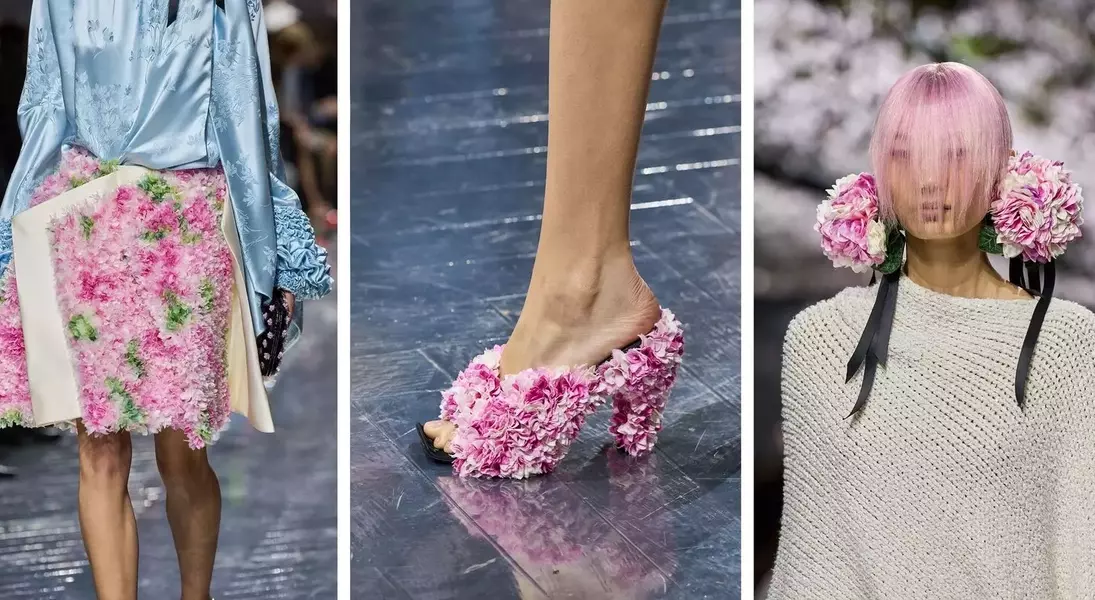
The week's most eagerly awaited collections were the inaugural haute couture presentations by Jonathan Anderson for Dior and Matthieu Blazy for Chanel. Anderson, known for his transparent creative process, approached his Dior debut with an explorer's mindset, aiming to demystify the couture practice. His "Grammar of Forms" exhibition at Musée Rodin, running concurrently with the show, showcased additional couture pieces, Christian Dior's designs, and works by ceramicist Magdalene Odundo. Dior also announced collaborations with fashion institutions and schools, broadening accessibility. The collection's inspiration, a cyclamen bouquet from predecessor John Galliano, appeared as silk petals and other intricate details, marking Dior's first couture collection to integrate accessories like new bag shapes, classic Lady Dior models, meteorite and fossil jewelry, and yarn shoes made from upcycled 18th-century fabrics. During Couture Week, Dior's exclusive Villa Dior also welcomed VIP clients for private viewings and orders.
Dior's Resurgence and Chanel's Poetic Vision
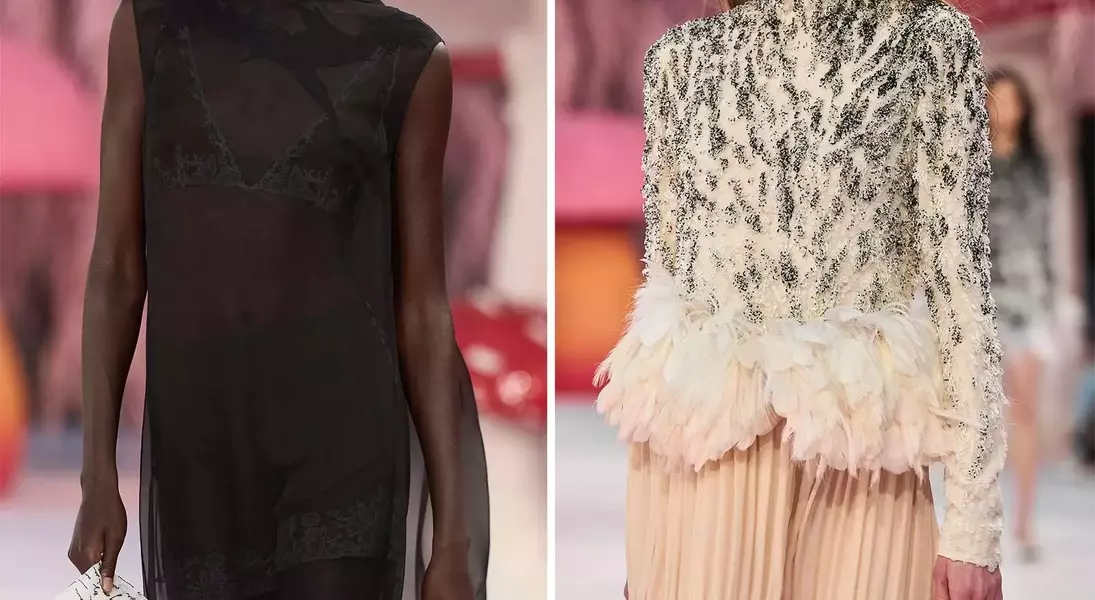
Bernard Arnault, Chairman and CEO of LVMH, expressed immense satisfaction with Dior's performance, noting the strong demand for products designed by Jonathan Anderson. Meanwhile, Chanel's show, held in the historic Grand Palais, transformed the venue into a whimsical fairytale, complete with oversized pink mushrooms and weeping willows. The collection commenced with a delicate transparent silk mousseline suit in soft nudes and pinks. As the show progressed, the narrative shifted, with models seemingly transforming into birds, featuring "raven black looks" and plumage evoked through embroidery, layering, pleating, and weaving, often hinting at feathers without literally using them. Bruno Pavlovsky, president of fashion and Chanel SAS, highlighted Matthieu Blazy's innovative approach, pushing boundaries with new materials and techniques within Chanel's unique ecosystem of haute couture ateliers and maisons d'art.
Subtle Grandeur: The Unseen Artistry of Chanel Couture
Olivier Gabet, director of the decorative arts department at Le Louvre, lauded the Chanel collection for its "great sense of sprezzatura," emphasizing the understated elegance that belied the immense effort, craftsmanship, and design involved. He noted that true sophistication lies in not overtly showcasing all the intricate work. The show also received praise for its inclusive model casting, featuring mature women and Bhavitha Mandava, the Indian model who radiantly closed the show as a bride. This deliberate choice underscored a commitment to broader representation within haute couture.
Couture's Role in a Scroll-Dominated World: A Deeper Engagement
Following Chanel's ethereal and delicate show, a significant debate emerged: must couture be ostentatious to capture social media attention, or does its essence lie in being an antidote to the incessant scrolling culture? Rachel Tashjian, a senior style reporter at CNN, argued that clothing had been overly focused on static images and social media moments, while Chanel's collection emphasized movement and a sense of liberation. Content creator Bryanboy echoed this sentiment, asserting that haute couture's magic resides in its subtle yet formidable workmanship, which cannot be fully appreciated through a mere screenshot. Lauren Amos described the Schiaparelli show as "couture as emotion rather than spectacle," finding it utterly sublime.
A Call for Deliberate Observation: Valentino's Reflective Approach
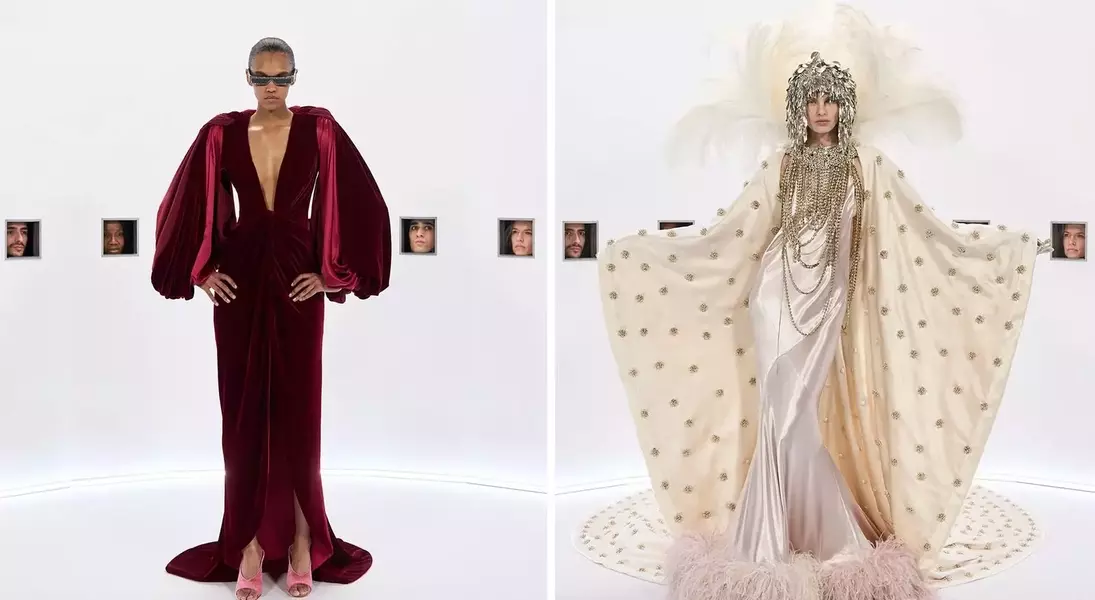
In his second couture collection for Valentino, creative director Alessandro Michele reintroduced the Kaiserpanorama, an early cinematic device, prompting guests to view the garments through small peepholes. Michele explained his intention: to encourage a return to deliberate observation, moving beyond quick glances. He emphasized that haute couture offers a unique opportunity to appreciate human artistry, the sheen of exquisite fabrics, and intricate embroideries, urging viewers to pause and truly engage with the creations. The show began with a poignant tribute to Valentino Garavani, featuring a clip from the documentary "Valentino: The Last Emperor," where the late designer shared his dream of movie stars and the beautiful things in the world.
The Intersection of Cinema and Couture: Michele's Vision
Backstage, Michele revealed the inspiration behind his collection, citing the deep connection between Valentino and Hollywood, a world his own mother, working in the film industry, introduced him to. He eloquently described couture as an "amazing playground," a space where dreams and the allure of the silver screen converge with meticulous design. This fusion highlighted the enduring influence of cinematic glamour on high fashion and the personal narratives that drive creative directors.
Embracing the Future: AI in Alexis Mabille's Vision
The Alexis Mabille show offered a glimpse into the future of fashion, featuring videos of a runway show entirely generated by AI. Mabille collaborated with AI specialists from Gloria Pictures, a French production company, to create a virtual yet hyperrealistic couture collection. This innovative approach resonated with the new generation of clients, as Mabille explained that modern interactions often involve video calls and sample exchanges, with clients only making a physical appearance for final fittings. He noted that this working model reflects contemporary practices across various industries.
Redefining Engagement: The Virtual Couture Experience
Thierry-Maxime Loriot found the AI-driven experience particularly insightful. He pondered why, if only a select few are invited to physical shows while the majority experience them virtually, this virtual access shouldn't be extended to everyone. Loriot characterized Mabille's move as a bold step for both clients and the press, raising pertinent questions about the production and promotion of haute couture pieces in an increasingly digital landscape. This development suggests a shift in how high fashion might be presented and consumed, potentially democratizing access while still maintaining its exclusive allur
