The proposed merger between two entertainment giants, Paramount and Warner Bros., has gained crucial international endorsement from Mexico, narrowing down the remaining hurdles to a legal challenge within the United United States. This development highlights the complex regulatory landscape surrounding large-scale corporate consolidations in the global media industry.
A Global Green Light, A Domestic Battle
Mexico's Endorsement: A Pivotal Regulatory Milestone
Paramount announced its successful acquisition of regulatory clearance from Mexico's competition commission for its planned unification with Warner Bros. This decision adds Mexico to a growing list of 67 other nations, including the European Union, China, Canada, Brazil, and the United Kingdom, that have granted their consent to the merger. This widespread international approval underscores the global implications and perceived benefits of this significant industry consolidation.
The Persistent Obstacle: State Attorneys General Lawsuit
Despite the international consensus, the merger continues to face a formidable challenge from 12 U.S. state attorneys general. They have initiated a lawsuit, contending that the proposed integration of Paramount and Warner Bros. would unlawfully diminish market competition within the fundamental cable television, cinematic distribution, and high-budget film production sectors. This legal confrontation represents the sole remaining significant barrier to the completion of the merger.
Seeking Resolution: Paramount's Push for Settlement
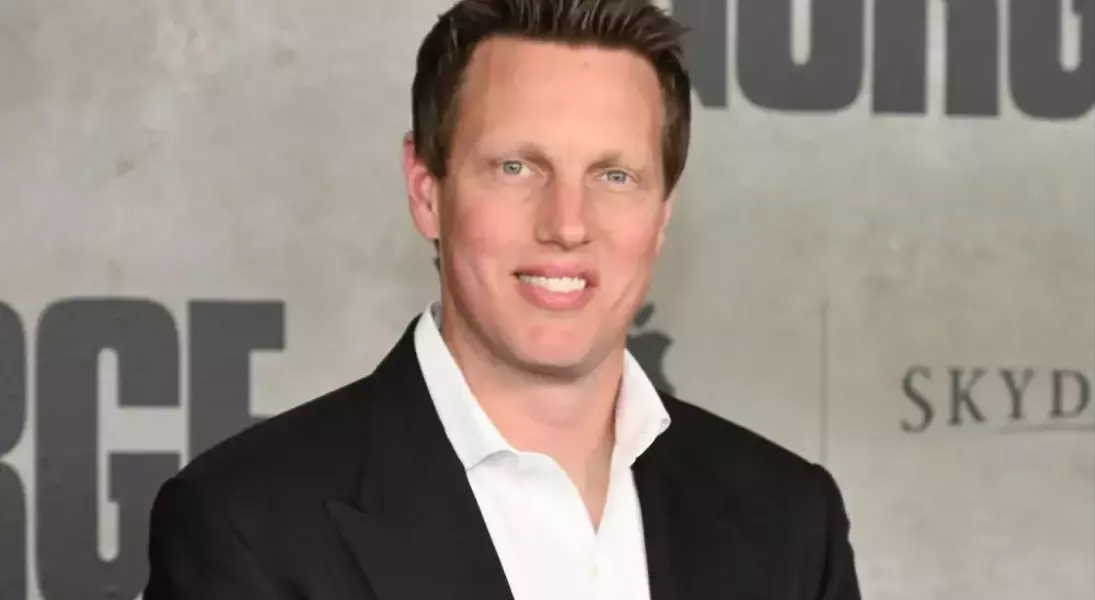
David Ellison, CEO of Paramount, has publicly urged the dissenting state attorneys general to engage in settlement discussions. His objective is to avert a prolonged federal trial slated for the following March. Ellison maintains that a negotiated resolution would be more advantageous than litigation, proposing that a settlement could prioritize the interests of workers, consumers, and stakeholders across the affected states.
The Economic Impact of Delays: Mounting Costs and Uncertainty
The protracted legal battle has already begun to exact a financial toll. Paramount is facing a substantial daily "ticking fee" of $7 million payable to Warner Bros. investors, a charge that commenced on September 30 and will persist until the deal is finalized. The company has expressed concerns that these accumulating penalty fees, combined with litigation expenses and operational disruptions, will impose unnecessary financial burdens. Paramount, with its diverse stakeholder base including pension and state retirement funds, must consider how these additional costs will be absorbed while safeguarding the long-term financial stability of the combined entity.
California's Stance: Prioritizing Structural Changes Over Behavioral Remedies
California Attorney General Rob Bonta, a leading figure among the opposing states, has consistently indicated a preference for winning the case through trial rather than accepting a settlement. Bonta argues that the concessions offered by Paramount thus far are insufficient to address the core competition concerns outlined in the lawsuit. He has voiced skepticism regarding "behavioral" remedies, such as pledges to release a specific number of films, citing their historical ineffectiveness. Instead, Bonta advocates for fundamental structural changes that Paramount has been reluctant to implement.
A Potential Relocation: Paramount's Strategic Consideration
In a strategic maneuver to exert pressure, Paramount has indicated that it may initiate the process of relocating its operations from California if a resolution to the merger impasse is not reached by October 1. This potential move underscores the high stakes involved in the ongoing negotiations and legal proceedings, as the company explores all available options to advance its merger agenda and mitigate adverse financial impacts.
