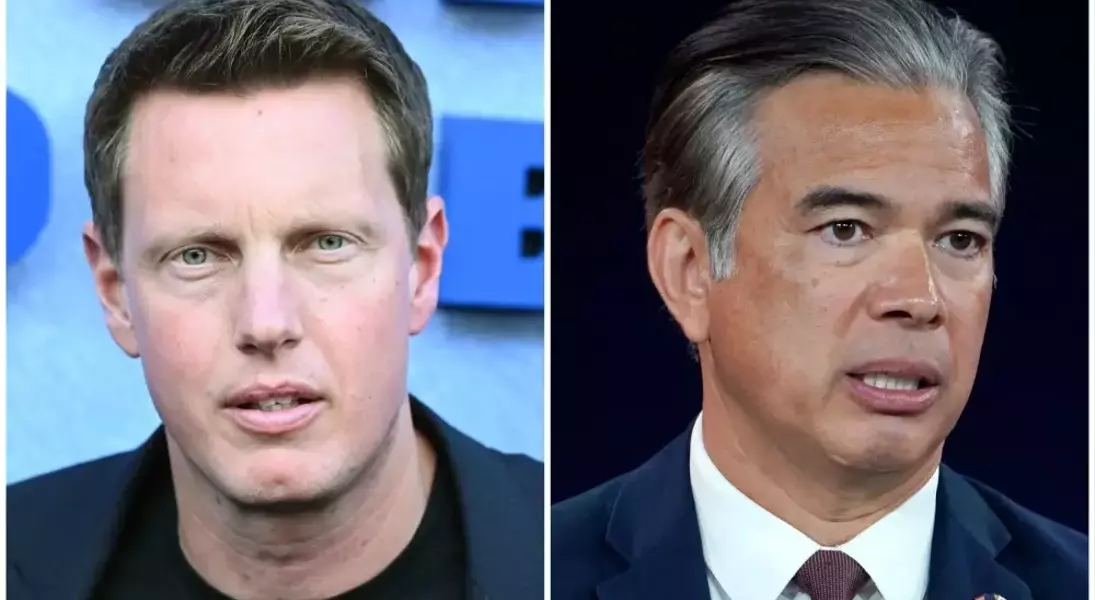
Paramount's ambitious $111 million acquisition of Warner Bros. Discovery is now mired in a protracted legal dispute, transforming from a minor regulatory check into a significant judicial confrontation. This development arises as Paramount has reluctantly consented to defer the merger, potentially until 2027, indicating a strategic shift in their legal approach. The decision implies an acknowledgment that an expedited win against a preliminary injunction was improbable, leading the company to prepare for a comprehensive trial.
Paramount's Merger Delayed as State AGs Push for Extensive Antitrust Review
In a significant turn of events on Friday, July 24, 2026, Paramount conceded to a delay in its highly anticipated merger with Warner Bros. Discovery, transforming a perceived minor obstacle into a substantial legal entanglement. This decision came after a coalition of states, led by California Attorney General Rob Bonta, intensified their antitrust challenge. Bonta remarked that Paramount "saw the writing on the wall," suggesting the company recognized the inevitability of losing an early injunction battle.
Paramount Skydance CEO David Ellison had initially sought a ruling by mid-September 2026 to finalize the deal and avoid daily penalties to Warner Bros. shareholders. His legal team pushed for an expedited three-day hearing in late August to dispute the states' claims of market concentration. However, Judge Araceli Martinez-Olguin, presiding in Oakland, California, rejected Paramount's request for an accelerated briefing on the motion, indicating her disinclination towards an immediate, multi-day hearing. The judge had previously issued a 28-day restraining order, citing the states' strong evidence that the merger would likely stifle competition.
Given the judge's stance, Paramount opted against a quick appeal to the 9th Circuit, a path that proved lengthy and uncertain for Nexstar in a similar antitrust case. This choice pushes the resolution of the merger into a full trial, which Paramount hopes to conclude by the end of 2026. However, this timeline is still subject to contention. Starting September 30, Paramount will incur a daily penalty of $7 million to Warner Bros. Discovery shareholders, a cost it must bear as the legal proceedings unfold.
The 12-state coalition, conversely, advocates for a later trial date, with Bonta suggesting April 2027 as appropriate, to allow ample time for preparation. Paramount has agreed not to finalize the transaction until either five days after a trial ruling or June 1, 2027, whichever comes first. Bonta emphasized that Paramount's urgency stems from commercial pressures, not due process considerations, and accused the companies of withholding crucial information during the pre-litigation phase, necessitating extensive discovery. The trial in Judge Martinez-Olguin's courtroom is anticipated to span two to three weeks or more.
While settlement talks remain a possibility, Bonta maintains his focus on litigation, insisting on "structural remedies" such as divestitures of cable or film distribution assets, rather than "behavioral remedies" which he deems ineffective. He reiterated that the states have yet to receive any settlement offers that adequately address their concerns, signaling their readiness to press forward with the legal challenge.
Paramount, in its defense, stated that this strategic withdrawal is the most direct route to proving the merger's benefits for competition, consumers, and creators, echoing conclusions reached by numerous international competition authorities. However, Bonta countered, asserting that the merger would harm Americans and Californians by inflating prices for entertainment, underscoring that enjoying favorite shows should not come at an exorbitant cost. The extended legal battle underscores the significant hurdles facing large-scale corporate consolidations in a landscape increasingly scrutinized for antitrust implications.
This case highlights the growing assertiveness of state attorneys general in challenging major corporate mergers. What might have once been a routine regulatory hurdle has transformed into a comprehensive legal battle, demonstrating the increasing focus on consumer protection and market competition. It suggests that companies pursuing large-scale acquisitions must be prepared for a rigorous and potentially lengthy legal review, especially when deals involve significant market players and consumer impact. The outcome of this trial could set a precedent for how future mergers are scrutinized and contested by regulatory bodies.
