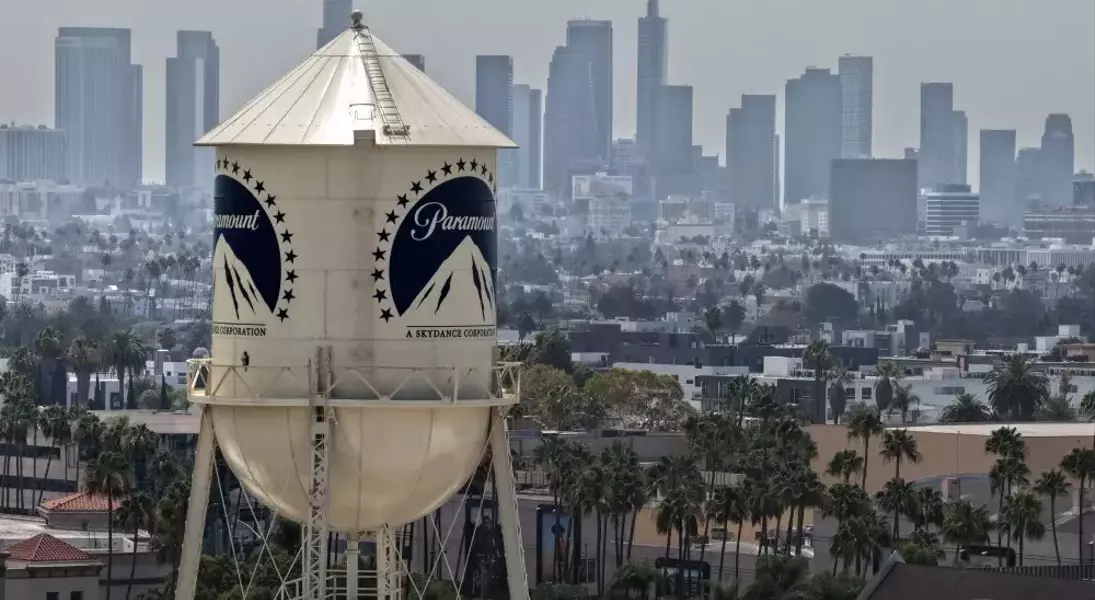
Paramount and the California Attorney General's office are set to engage in crucial discussions next week, aiming to find common ground on an antitrust lawsuit that has put Paramount's substantial merger plans on hold. The core issue revolves around the proposed $111 billion unification with Warner Bros. Discovery, a deal currently facing judicial scrutiny. Both parties appear willing to negotiate, yet the path to resolution requires addressing significant concerns about market dominance within the entertainment industry, particularly regarding theatrical releases and cable programming. The outcome of these negotiations could reshape the landscape for Hollywood's major studios and broader media distribution.
Paramount and State Officials Pursue Resolution in Antitrust Dispute
On Monday, August 21, 2026, representatives from Paramount Skydance and the California Attorney General's office, led by Attorney General Rob Bonta, are scheduled to meet. The objective of this high-stakes gathering is to discuss a possible settlement in the ongoing antitrust case. This meeting represents a pivotal moment for Paramount, as it endeavors to secure approval for its proposed merger with Warner Bros. Discovery, a transaction valued at an estimated $111 billion. The merger's completion is currently stalled, awaiting a federal court trial set for March in Oakland.
Attorney General Bonta has indicated his receptiveness to a settlement, but he has also articulated that any resolution must include substantial structural adjustments to alleviate the state's worries. These concerns primarily center on the potential for the merger to unduly constrain competition in the theatrical distribution and basic cable markets. The consolidation of two out of Hollywood's five established studios and two of the top three cable programmers has raised red flags regarding market concentration.
Under federal regulations, the involved parties are mandated to attempt mediation before a magistrate judge. Consequently, at a recent hearing, Judge Araceli Martinez-Olguin requested the identification of two prospective magistrates to oversee the mediation process by the upcoming Wednesday. A chorus of influential organizations has voiced their support for a settlement, including the Directors Guild of America, IATSE, Los Angeles Mayor Karen Bass, and Cinema United, a prominent trade association representing cinema operators. Governor Gavin Newsom, speaking on Friday, underscored the universal desire for a boardroom resolution over a courtroom battle, questioning the feasibility and optimal terms of such a deal, acknowledging it as a dynamic and unfolding process.
Paramount has proactively offered several commitments to facilitate the merger's approval. These include a pledge to produce 30 films annually for the next three years and to guarantee an exclusive 45-day theatrical window for these productions. However, the Attorney General's office remains skeptical, citing historical difficulties in enforcing behavioral remedies of this nature. Compounding the legal complexities, the Writers Guild of America has also initiated its own lawsuit, which is slated to be heard concurrently with the state's case next March. The WGA is also a signatory to the stipulation that has temporarily halted the merger, underscoring its critical role in any comprehensive resolution. A spokesperson for the WGA refrained from commenting on the matter.
The unfolding negotiations highlight the delicate balance between corporate expansion and regulatory oversight in the dynamic media industry. The outcome will not only determine the fate of a major corporate merger but also set precedents for future consolidation efforts and consumer protections in the entertainment sector. The commitment to both creative output and fair competition remains at the forefront of these discussions, reflecting broader societal interests in a diverse and accessible media landscape.
