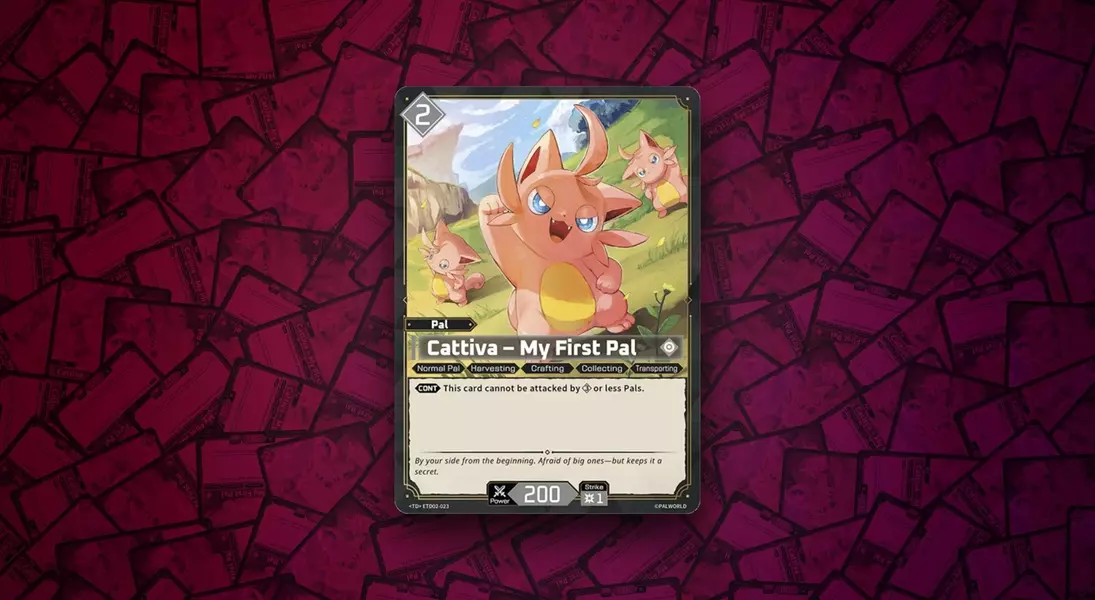
The eagerly awaited Palworld Official Card Game has been met with an immediate challenge: widespread scalping. Days after its debut, certain rare cards are commanding exorbitant prices on online marketplaces, reaching figures comparable to highly sought-after modern Pokémon cards. This situation is unfolding despite the developer, Pocketpair, reporting the sale of millions of card packs, as many local retailers are already out of stock. This rapid price escalation is largely fueled by the initial release of first-edition cards, which are highly attractive to both dedicated collectors and opportunistic resellers.
Details of the Palworld TCG Launch and Market Dynamics
Upon the release of the Palworld Official Card Game, fans and the trading card community observed an immediate surge in secondary market prices. Cards featuring popular Pals such as Cattiva, Chillet, and Jormuntide began appearing on platforms like eBay with price tags reaching into the thousands of dollars. This rapid inflation in value, within a mere day of the game's launch, quickly drew parallels to the market trends seen with other established trading card games, most notably Pokémon.
Pocketpair, the developer behind Palworld, had already sold an impressive 3.5 million card packs by early July, indicating a strong initial demand. However, this high demand, coupled with the limited availability of first-edition cards, created a fertile ground for scalpers. These individuals purchase products in bulk at retail prices with the intention of reselling them at significantly inflated rates to collectors and enthusiasts eager to acquire rare items or complete their collections quickly. The market for new trading card games often experiences a volatile period immediately following launch. During this time, early adopters and those with a fear of missing out (FOMO) are often willing to pay a premium for new cards or sealed products. However, historical data from other TCGs suggests that these inflated prices typically stabilize over several weeks as more products enter the market and the initial hype subsides.
A notable example of this stabilization can be seen with the Morpeko special illustration card from a recent Pokémon set. Initially, this card fetched around $200 before its widespread retail release. Within a few weeks, its market price had fallen by approximately 35% to about $127. Similarly, the Palworld TCG’s Cattiva Gold Soul card, which was reported to sell for as much as $4,000 pre-launch, has since seen its price drop to around $999 for perfectly centered versions. While still a substantial amount, this 75% reduction illustrates the common trajectory of TCG market corrections. This phenomenon underscores the irony that a game often perceived as borrowing design elements from Pokémon is now mirroring its market dynamics, experiencing similar challenges related to reseller activity and speculative pricing.
Reflections on the Trading Card Market's Enduring Challenges
The immediate scalping crisis surrounding the Palworld Official Card Game underscores a persistent challenge within the trading card industry. While the game's initial reception and long-term appeal appear robust, the ease with which resellers can exploit high demand for new releases continues to frustrate genuine players and collectors. This situation echoes past events with other popular TCGs like Lorcana and One Piece, suggesting that as long as demand remains strong and supply is perceived as limited, such market disruptions will likely continue. It highlights the need for developers and retailers to explore strategies that could mitigate the impact of scalping, ensuring that products are more accessible to the community that genuinely wishes to engage with the game.
