
This guide delves into the specifics of the P0420 diagnostic trouble code, a common signal indicating potential issues within a vehicle's emissions system, specifically concerning the catalytic converter. It aims to clarify what this code means, why it appears, and common misconceptions surrounding its diagnosis. The article will walk you through the catalytic converter's function, identify typical culprits behind the P0420 code, detail noticeable symptoms, and offer practical advice on troubleshooting and potential solutions, emphasizing that expensive repairs like converter replacement aren't always the immediate answer.
Unraveling the P0420 Mystery: Smart Solutions for Catalytic Converter Issues
Understanding the P0420 Diagnostic Trouble Code: A Deep Dive into Your Vehicle's Emission Health and the Role of Bank 1
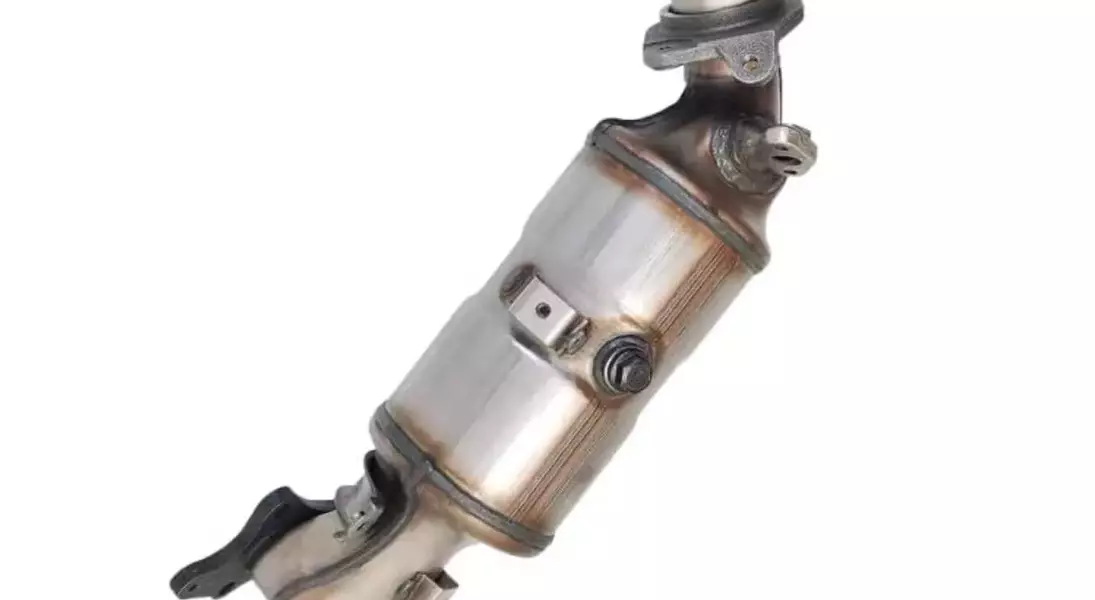
The P0420 code signals that your vehicle's catalytic converter system, specifically on "Bank 1," is operating below its efficiency threshold. In V-configured engines, Bank 1 refers to the cylinder bank housing cylinder number one, while for inline engines, it's the standard default bank. Should the issue be with Bank 2 in a V-engine, the corresponding code would be P0430. This diagnostic trouble code carries consistent meaning across various vehicle makes and regions, whether it's an American-market OBD or European EOBD system. Essentially, a P0420 code on any Chevrolet, Ford, or Toyota indicates a universal problem: the catalytic converter is not adequately filtering exhaust gases. This inefficiency suggests that the converter isn't effectively transforming harmful emissions into less toxic byproducts, triggering the engine's diagnostic system to alert the driver to a potential environmental and performance issue.
Exploring the Catalytic Converter System: How Your Vehicle Manages Emissions and the Role of Oxygen Sensors
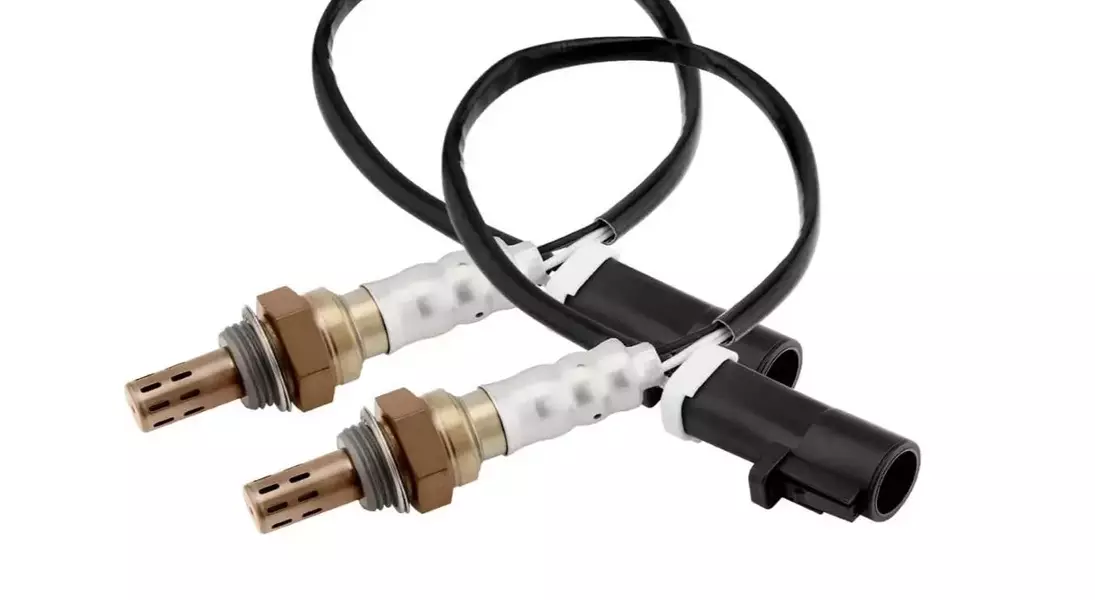
Initially, two-way catalytic converters, prevalent since the 1970s, were designed to oxidize uncombusted hydrocarbons and carbon monoxide into water and carbon dioxide. Modern vehicles, however, are typically equipped with more advanced three-way catalytic converters. These multifaceted devices go a step further by also reducing nitrogen oxides (NOx), significantly broadening their emission control capabilities. Crucial to the operation of these converters are oxygen (O2) or Lambda sensors. Positioned both upstream and downstream of the catalytic converter, these sensors continuously monitor oxygen levels in the exhaust stream. By comparing readings before and after the converter, the vehicle's engine control unit (ECU) can assess the converter's efficiency. Furthermore, these sensors play a vital role in fuel management, adjusting the air-fuel mixture to maintain an optimal stoichiometric ratio—roughly 14.6 to 14.8 parts air to one part fuel—to ensure efficient combustion and reduce emissions.
Identifying the Root Causes of a P0420 Code: Beyond the Catalytic Converter Itself
Multiple factors can trigger the P0420 engine code, indicating a decline in the catalytic converter's efficiency. While a failing or obstructed converter, potentially damaged by oil contamination or persistent engine misfires, is a common suspect, it's not always the sole culprit. Exhaust system leaks can compromise oxygen sensor readings, leading to false diagnostics of converter inefficiency. Similarly, intake system leaks can disrupt the air-fuel ratio, indirectly affecting the sensors' accuracy. The oxygen sensors themselves, or their electrical connections, might be faulty. Using the incorrect type of fuel or installing a replacement catalytic converter too far from the engine can also contribute to the code. Furthermore, a substandard or incompatible replacement converter can fail to meet emission standards. In some instances, the engine control unit (ECU) itself may be the source of the problem, requiring a more complex diagnostic approach.
Recognizing the Warning Signs: Symptoms Indicating a P0420 Code and Underlying Issues
When a P0420 code is active, several notable symptoms may manifest in your vehicle. The most evident sign is the illumination of the Check Engine Light (CEL), which an OBD II scanner will confirm is due to discrepancies in oxygen sensor readings detected by the ECU. Drivers might also experience engine hesitation and misfires, indicating poor combustion. Rough or uneven idling can occur as a result of an imbalanced air-fuel mixture. In some cases, an increase in fuel consumption may be observed. Auditory cues like rattles from loose or damaged internal components of the catalytic converter, sometimes mistaken for timing chain issues in certain engines, are also possible. Additionally, a clogged catalytic converter can create exhaust back pressure, leading to poor engine performance. While less common, unusual odors, such as a rotten egg smell due to high sulfur levels or a distinct fuel odor from the exhaust, might be present. Ultimately, a definitive symptom is the failure of the vehicle during an emissions test.
Addressing the P0420 Code: Can You Drive With It, and Why Prompt Repair is Crucial
While your vehicle may remain drivable with an active P0420 code, continuing to operate it in this condition is not advisable. Prolonged driving can lead to diminished performance and reduced fuel efficiency. More critically, potential damage to the engine can occur. The pre-catalytic converter, situated close to the engine, can fracture, allowing broken fragments to be drawn into the engine during the exhaust-valve overlap phase. Such debris ingestion can cause severe internal engine damage. If oil contamination is the root cause, immediate cleaning of the catalytic converter is necessary before the damage becomes irreversible, necessitating an expensive replacement. Moreover, it's imperative to resolve the underlying oil consumption issue to prevent a recurrence of the problem, ensuring both the longevity of the catalytic converter and the overall health of the engine.
Strategies for Resolving the P0420 Code: From Simple Cleaners to Professional Interventions
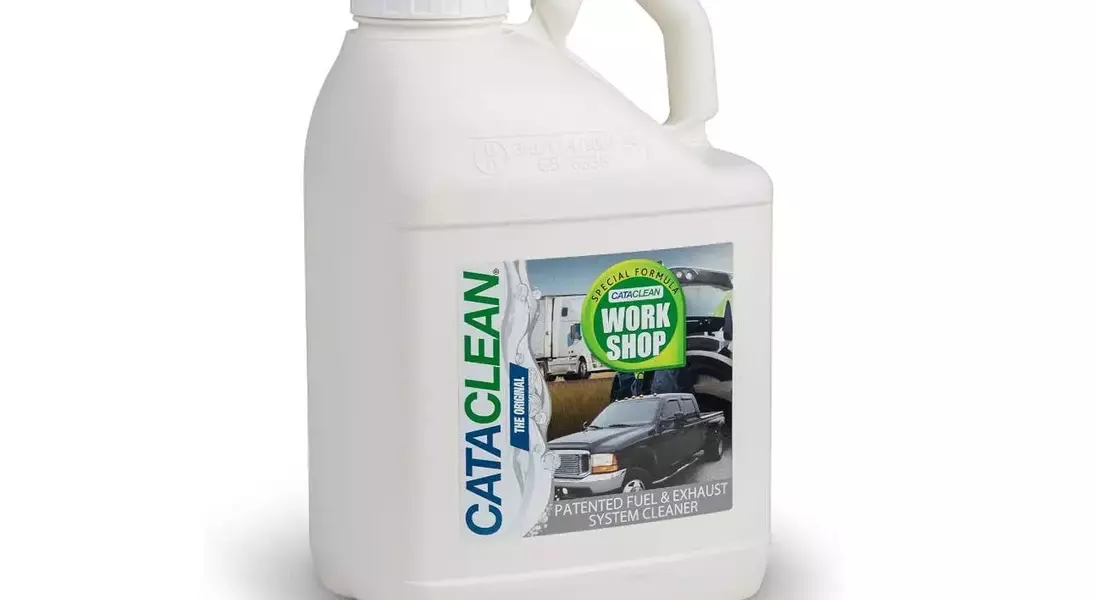
The most straightforward and cost-effective approach to resolving a P0420 code often begins with using a commercially available catalytic converter cleaner. This additive, poured into the fuel tank, works to eliminate contaminants from the inside of the converter and oxygen sensors as you drive, potentially rectifying the issue. If this initial step proves unsuccessful, professional diagnostic intervention is recommended. Replacing a faulty oxygen sensor is a relatively inexpensive fix, commonly costing around $100. However, the most severe scenario involves a failed catalytic converter, which can incur repair costs exceeding $1,000, especially in vehicles equipped with multiple converters. Such a repair also necessitates addressing the underlying cause of the converter's failure to prevent future recurrence, adding to the overall expense.
Concluding Thoughts on the P0420 Code: Prompt Action for Emission Compliance and Vehicle Health
Regardless of your vehicle's make—be it a Honda, Nissan, Chrysler, or any other brand—a P0420 code consistently points to an issue that requires attention. This code signifies an emission system inefficiency that will inevitably lead to a failed emissions test. The expense of rectifying the problem will hinge on the precise nature of the fault. It is highly advisable to address this issue promptly to prevent further damage that could escalate repair costs significantly in the long run. Early diagnosis and repair not only ensure compliance with emission regulations but also preserve the overall health and performance of your vehicle, saving you from more substantial financial burdens down the line.
