Initially met with widespread criticism, Blizzard's hero shooter, Overwatch, has recently seen an uptick in its public perception, transitioning from a predominantly negative reception to a 'Mixed' rating on Steam. This shift marks a notable turning point for the game, which faced significant backlash upon its launch on the platform, once holding the unenviable title of the worst-rated game on Steam.
Overwatch's Tumultuous Journey Towards Redemption
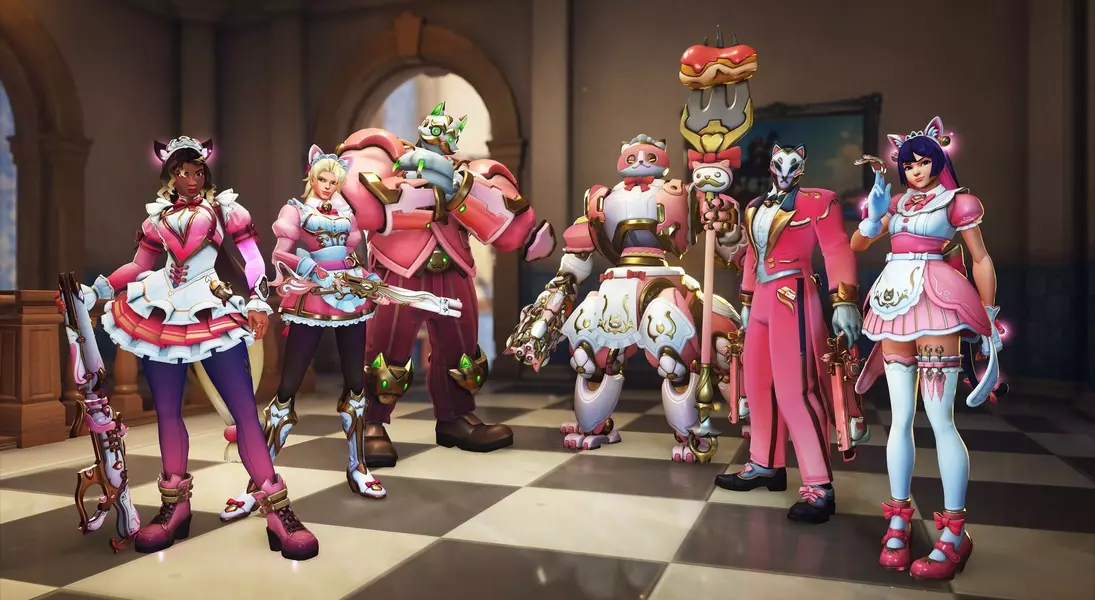
In August 2023, when it first appeared on Steam as Overwatch 2, the game was inundated with negative reviews, with only a fraction of users offering positive feedback. This early reception was largely fueled by player dissatisfaction over fundamental changes from its predecessor, including reduced team sizes and a controversial monetization model for new characters. The promise of a substantial player-versus-environment (PvE) component, which was later largely scaled back due to development challenges, further alienated a segment of its community. Moreover, the decision to replace the original Overwatch entirely, a common practice among live-service titles, left many long-time fans feeling disenfranchised. Blizzard's eventual removal of the '2' from the title reflected an acknowledgment of these issues. However, the tides began to turn as Blizzard intensified its content release schedule, especially with new hero introductions, a move possibly spurred by emerging competitors. For instance, five new heroes were unveiled in February, with plans for a total of ten throughout 2026. This renewed commitment to content has resonated with some players, who laud the engaging new characters and improved value of the Battle Pass. They also appreciate the opportunities for acquiring free cosmetics. Yet, the game continues to face detractors. A significant point of contention remains the steep pricing of microtransactions, with some premium cosmetic bundles costing as much as a full-priced indie game. Additionally, the game's community is often criticized for its toxicity, with many players expressing frustration over in-game dynamics that seem to foster conflict rather than cooperation. Despite these persistent challenges, a palpable sense of hope exists among players that Overwatch is progressing in a more favorable direction, with some optimistically forecasting a 'Mostly Positive' rating on Steam by 2030.
Overwatch's journey serves as a compelling case study on the volatile nature of live-service games and the critical importance of community feedback. The initial widespread condemnation underscores how quickly player sentiment can sour when beloved franchises undergo significant, often uncommunicated, changes. However, Blizzard's subsequent efforts to course-correct, particularly through accelerated content releases and adjustments to its monetization strategy, demonstrate the potential for redemption. This ongoing narrative highlights the delicate balance game developers must strike between innovation, commercial viability, and player satisfaction. It reminds us that rebuilding trust is a marathon, not a sprint, and genuine engagement with player concerns is paramount to sustained success in the competitive gaming landscape.
