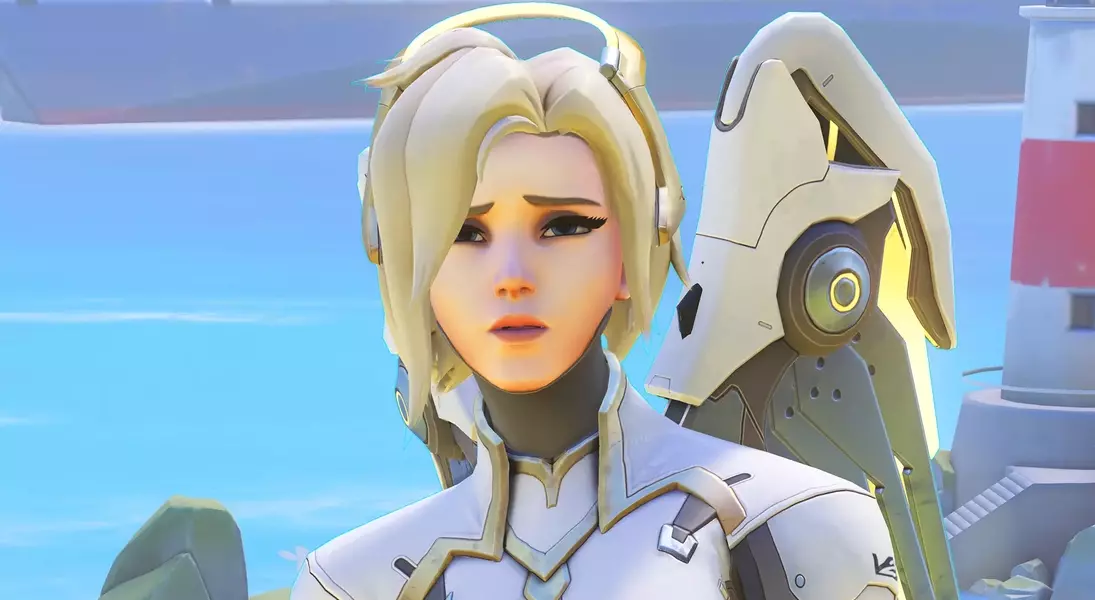
A year following its introduction, Blizzard has opted to cease the integration of new heroes and maps into Overwatch 2's MOBA-influenced Stadium mode. This strategic redirection occurs amidst a broader increase in Overwatch's player base, a trend catalyzed by earlier changes to the hero shooter's overall direction. Despite the game's revitalized popularity, the Stadium mode has seen a significant drop-off in engagement, leading to this decision. This shift underscores the complexities of managing content for a live-service game, especially when specialized modes do not retain player interest as anticipated.
This move is detailed in a recent blog post by game director Aaron Keller, who provided insights into player engagement across various game modes. Data from June 28 indicates that a substantial 54% of players prefer 5v5 unranked matches, whereas only a meager 3% participate in Stadium mode, both ranked and unranked. Even the traditional 6v6 modes currently enjoy greater popularity. Consequently, Blizzard will no longer allocate development resources to creating new heroes and maps for Stadium. The mode will, however, continue to receive essential seasonal balance adjustments, rank resets, and rewards. The development personnel previously assigned to Stadium will be reassigned to other initiatives, reflecting a pivot in Blizzard's content strategy.
The Decline of Stadium Mode and Its Future
The MOBA-inspired Stadium mode, characterized by its unique build system with items and powers that modify hero abilities, initially garnered significant attention. For example, it allowed for transformations such as shrinking Ashe's robot companion, B.O.B., into a miniature yet lethal combatant. In its inaugural weeks, Stadium was one of Overwatch's most played modes, drawing in millions of hours of gameplay. However, its allure diminished over time, partly due to the limited hero roster available for play within the mode and the rapid introduction of new heroes for the main game. This disparity in content updates led to a gradual decline in player interest, culminating in the current decision to halt major development.
While the recent mid-season patch included numerous balance adjustments for Stadium, the resources required to adapt new heroes and maps for this specific mode proved unsustainable alongside the broader development needs of Overwatch. The game director's announcement signals an effective end to significant new content for Stadium, although it will not be completely removed. This outcome serves as a testament to the experimental nature of the mode, which, despite its eventual scaling back, has influenced other aspects of Overwatch. For instance, the game's perk system, which allows for in-match ability modifiers, was inspired by Stadium, demonstrating how elements of the mode can still contribute to the game's evolution in other forms.
Future Experimental Modes and Their Potential Impact
The announcement regarding Stadium mode was embedded within a larger discussion about two upcoming experimental 6v6 modes that Blizzard plans to test. The first, a "Flex Queue," will run from July 16 to July 19. During this period, Quick Play will feature teams composed of one tank, three damage dealers, and two supports, with the added flexibility for one damage dealer to switch to a tank hero at any point. This experiment aims to reduce queue times and introduce more strategic depth compared to the standard 2-2-2 team compositions currently prevalent in the game.
The second experimental mode, "Dynamic Queue," is scheduled for July 28 to August 3. This test will adopt the Flex Queue format but will only activate when the matchmaking system struggles to find two tank players. The primary goal of Dynamic Queue is to evaluate how players respond to shorter queue times balanced against varying team compositions, particularly in alleviating the current issue where queuing for multiple roles often defaults players to the less popular tank role. These tests are primarily for data collection and do not necessarily indicate an impending change to the game's core format, but rather suggest potential tweaks to existing modes or the introduction of new Arcade modes, highlighting Blizzard's ongoing commitment to evolving the player experience through iterative experimentation.
