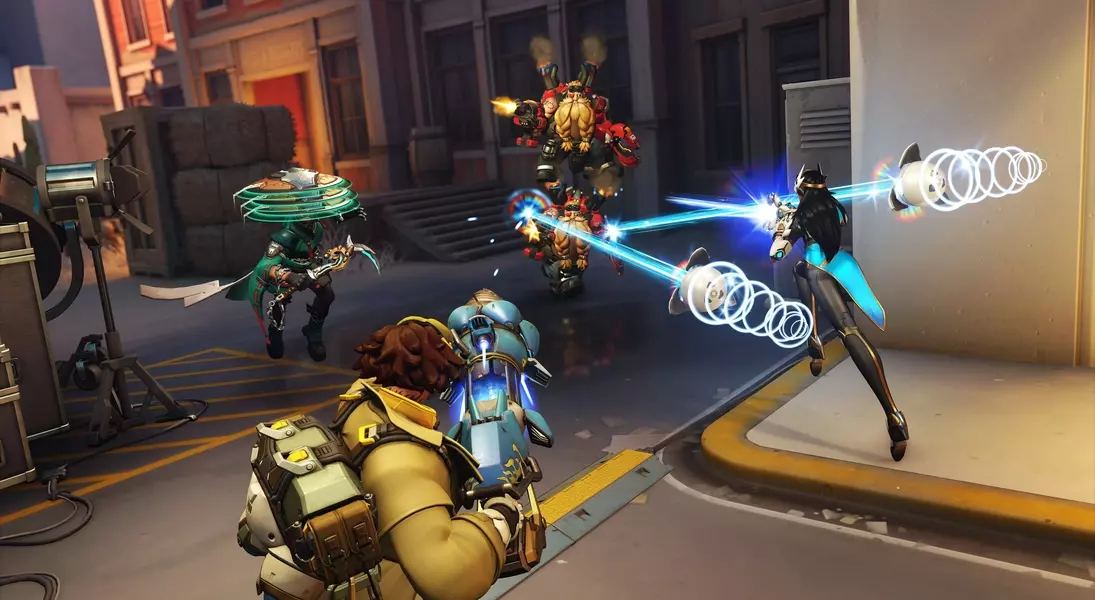

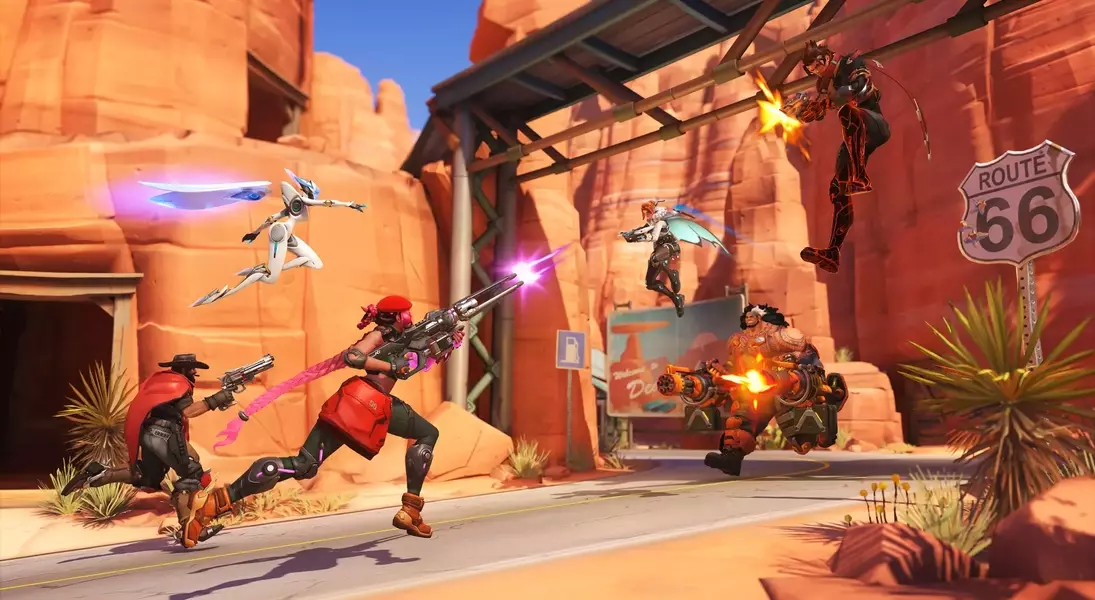
Overwatch 2's fourth competitive season brought a significant shake-up to the ranking system, introducing a new tier called Emerald. This addition is strategically placed between the existing Platinum and Diamond ranks, aiming to address the widening skill disparity observed in these middle tiers. Blizzard's intention, as highlighted in their patch notes, is to provide players with a more precise sense of their standing, offer a fresh achievement to strive for, and enhance the accuracy of skill assessment within the game.
While the introduction of Emerald was a theoretically sound decision to bridge the gap between Platinum and Diamond players, its practical implementation has led to an unexpectedly turbulent experience. Many players, including the author, have described this rank as a chaotic blend of skill levels and behavioral challenges. Gameplay within Emerald often oscillates between moments of strategic brilliance and fundamental errors, making match outcomes highly unpredictable and frequently frustrating. The environment also appears to foster increased player toxicity, with a notable surge in complaints and blame-shifting among teammates, highlighting the volatile nature of this newly formed competitive space.
Navigating the Emerald rank requires not only individual skill but also a high degree of adaptability and a positive mindset. The author emphasizes the importance of adjusting one's playstyle to complement the team's composition, even if it means stepping outside of one's preferred roles or strategies. Instead of succumbing to frustration or engaging in blame, a proactive approach to team coordination and flexibility can significantly improve the chances of success. Ultimately, while the Emerald rank currently presents a challenging landscape, it is hoped that as the season progresses, the player base will adapt, leading to a more stable and less contentious competitive environment.
The journey through competitive gaming ranks can be arduous, but it also offers invaluable lessons in resilience, teamwork, and self-improvement. Embracing challenges, adapting strategies, and maintaining a constructive attitude are crucial not only for climbing the ranks but also for fostering a healthier and more enjoyable gaming community. Every player's growth contributes to the collective betterment of the game, transforming individual struggles into shared victories and a more positive competitive spirit.
