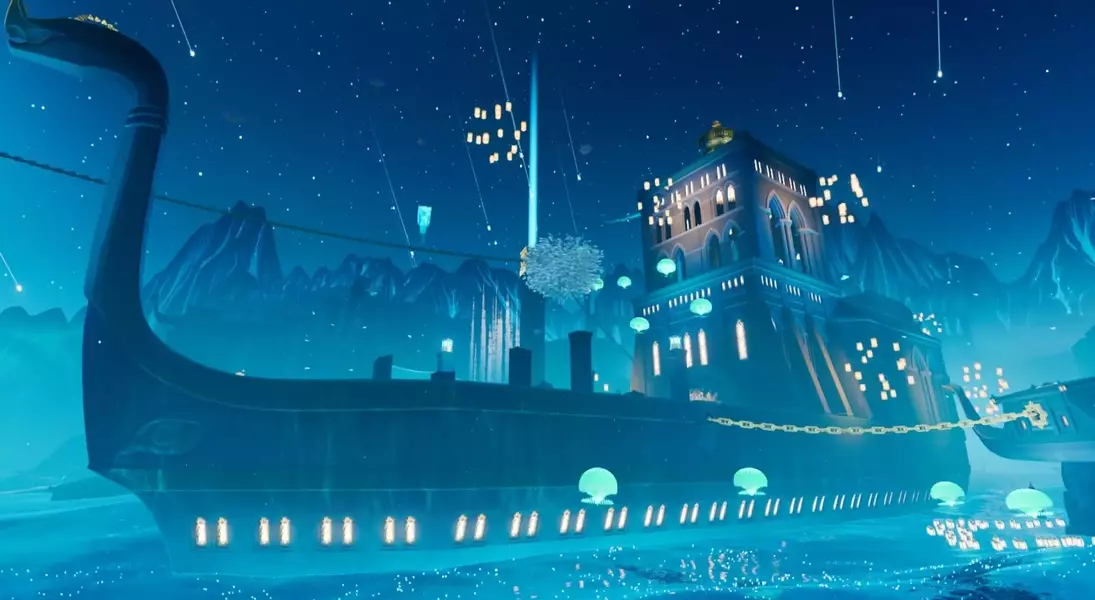
In the bustling landscape of video game releases, some true gems often slip through the cracks, failing to receive the recognition they undeniably deserve. This year, one such title stands out: 'Sword of the Sea'. Developed by the visionary Giant Squid Studios, helmed by 'Journey' art director Matt Nava, this immersive adventure has garnered widespread praise from both critics and the gaming community since its August launch. Boasting an impressive 88 Metascore and an 8.5 user score on Metacritic, alongside 'very positive' reviews on Steam, 'Sword of the Sea' weaves an emotional, dreamlike narrative within breathtaking environments. Its innovative movement mechanics, reminiscent of the 'Skate' series, a meticulously designed New Game Plus mode, and a stunning soundtrack by Austin Wintory all contribute to its profound impact. Yet, amidst the fervent discussions surrounding Game Awards nominations, 'Sword of the Sea' was conspicuously absent from every category, a puzzling omission given its undeniable artistic and technical achievements.
The Unseen Brilliance: An Award Season Mystery
As the Game Awards approached, conversations buzzed around deserving titles that, for various reasons, didn't make the cut. However, the silence around 'Sword of the Sea' has been particularly deafening. This extraordinary game, a visual and auditory feast, failed to secure nominations for Best Art Direction, Best Score & Music, Best Action/Adventure Game, or even Best Independent Game. The prevailing theory suggests that the unexpected arrival of 'Hollow Knight: Silksong' on August 21st, mere days after 'Sword of the Sea's' August 19th debut, might have inadvertently overshadowed Giant Squid's masterpiece. 'Silksong's' highly anticipated launch captivated the internet, diverting attention and press coverage, ultimately securing multiple nominations, including Game of the Year, in the very categories where 'Sword of the Sea' might have competed. While 'Silksong' is undoubtedly a beautiful game with an impressive soundtrack, the disparity in recognition highlights a potential oversight by The Game Awards' voting body, who may have been swayed by the intense media buzz surrounding Team Cherry's sequel.
The curious case of 'Sword of the Sea' serves as a poignant reminder of the fierce competition within the gaming industry's award season. Despite its critical and popular success, the game's fate at The Game Awards contrasts sharply with its surprising Grammy nomination for its ethereal and catchy score. This recognition outside the traditional gaming sphere underscores the unique artistic value of 'Sword of the Sea', prompting reflection on how award ceremonies weigh artistic merit against mainstream hype. It begs the question: in an industry increasingly crowded with remarkable creations, how do we ensure that every deserving title, regardless of its marketing momentum, receives its due acknowledgment?
