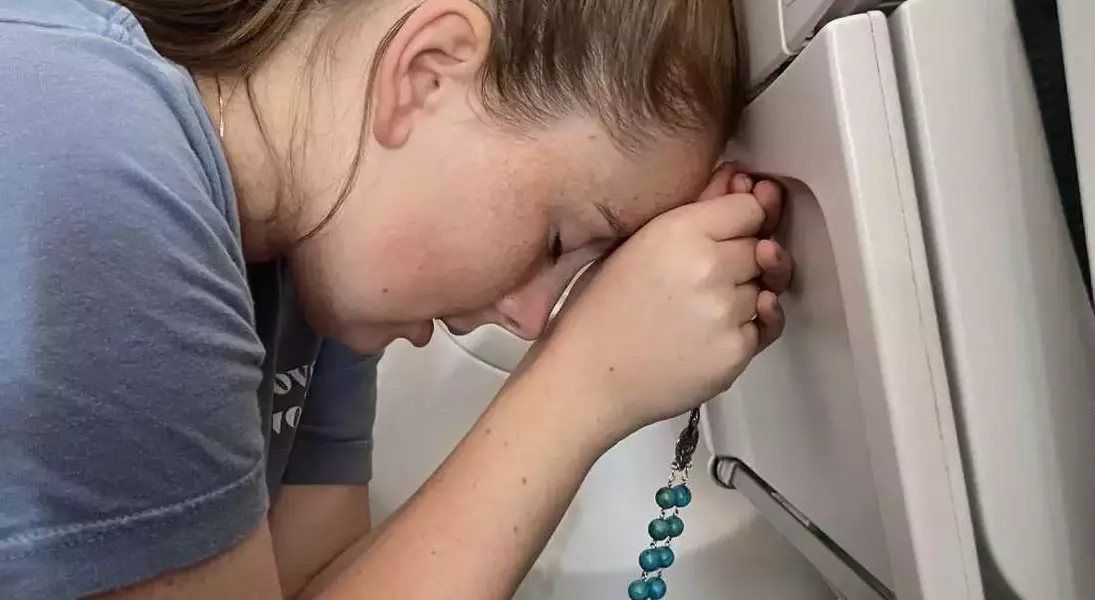
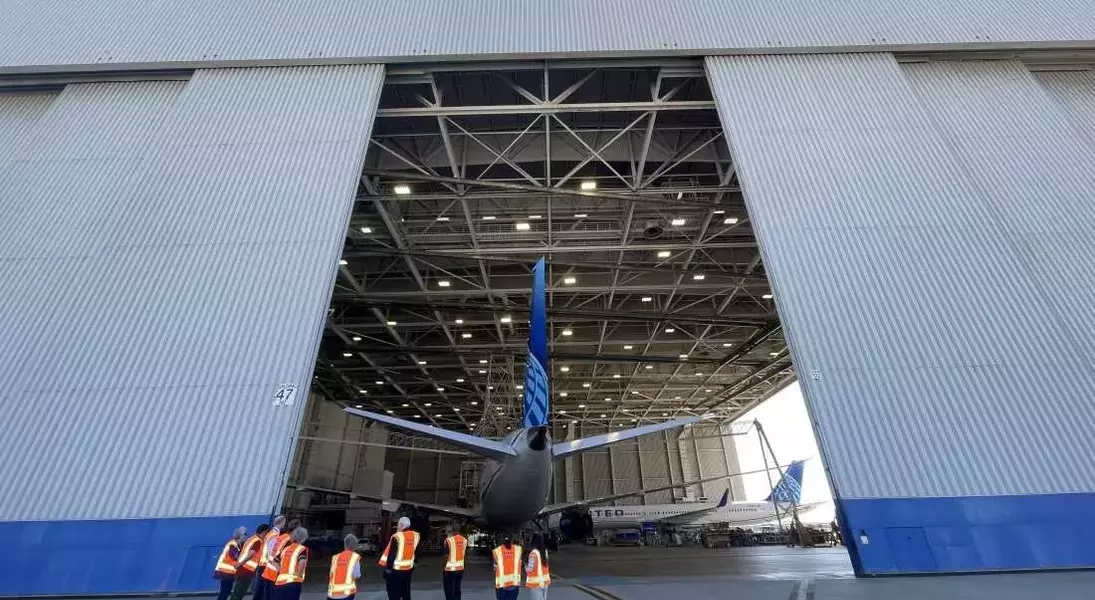
A specialized program has emerged as a beacon of hope for individuals grappling with aerophobia, enabling them to embrace air travel without apprehension. Colette Vance's experience vividly illustrates the profound impact of this clinic; plagued by claustrophobia and intense anxiety during flights, she found herself avoiding air travel after a particularly harrowing experience. The sheer impracticality of long-distance ground travel ultimately propelled her to seek a solution, leading her to participate in this innovative four-day workshop designed to alleviate fear of flying.
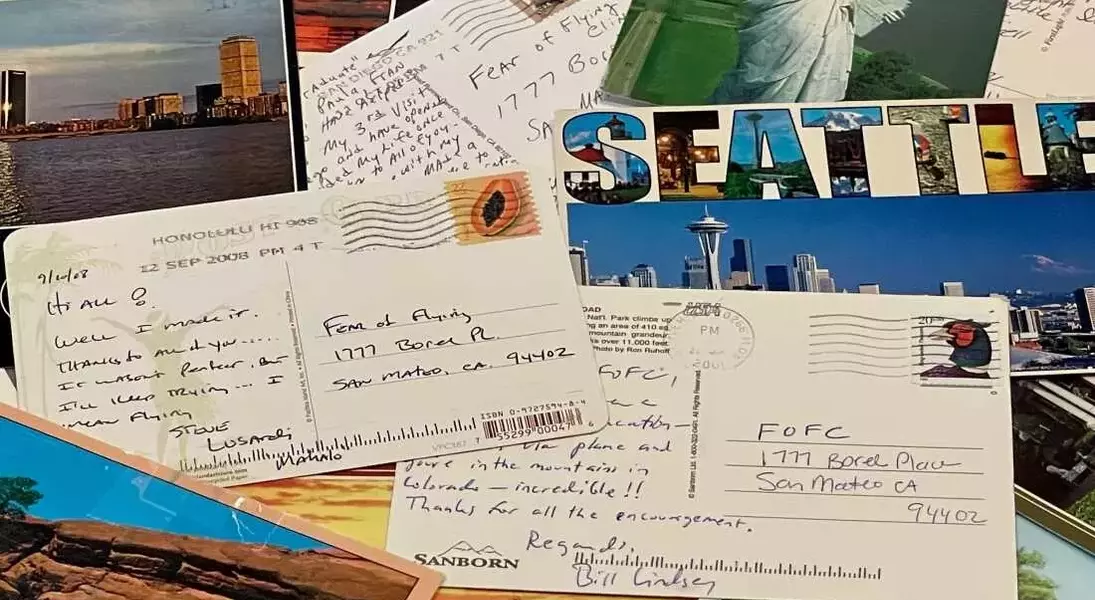
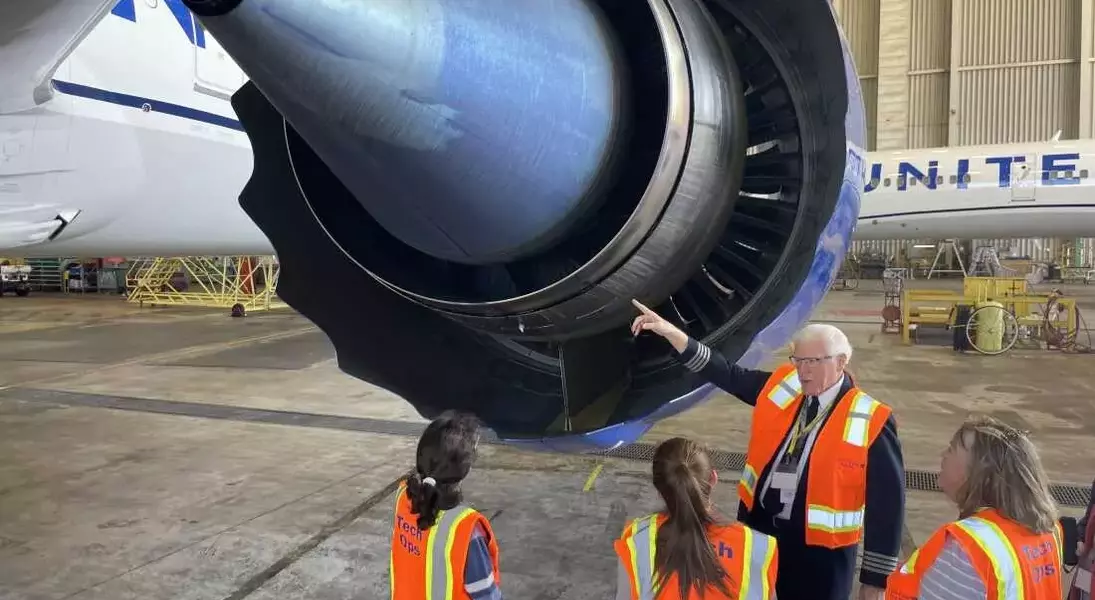
This clinic, hosted at a major international airport, addresses a widespread issue affecting approximately 25 million Americans. It was established in 1976 by two licensed pilots, Fran Grant and Jeanne McElhatton, who initially developed the educational curriculum to help Grant's husband conquer his own fear of turbulence. Today, a dedicated team of volunteers, many of whom are former participants themselves, guides attendees through a structured process. The program integrates education on aviation safety, with presentations from pilots, air traffic controllers, and maintenance technicians, alongside cognitive behavioral therapy (CBT) sessions. These sessions are crucial for helping individuals identify and challenge irrational thought patterns linked to flying, replacing them with more balanced perspectives. For instance, psychotherapist Paula Zimmerman employs the 'ABC model' to illustrate how an 'activating event' (like turbulence) leads to a 'belief' (such as an impending crash), culminating in a 'consequence' (a panic attack). By re-evaluating these beliefs, participants learn to manage their emotional responses, transforming fear into a more rational understanding of air travel safety.
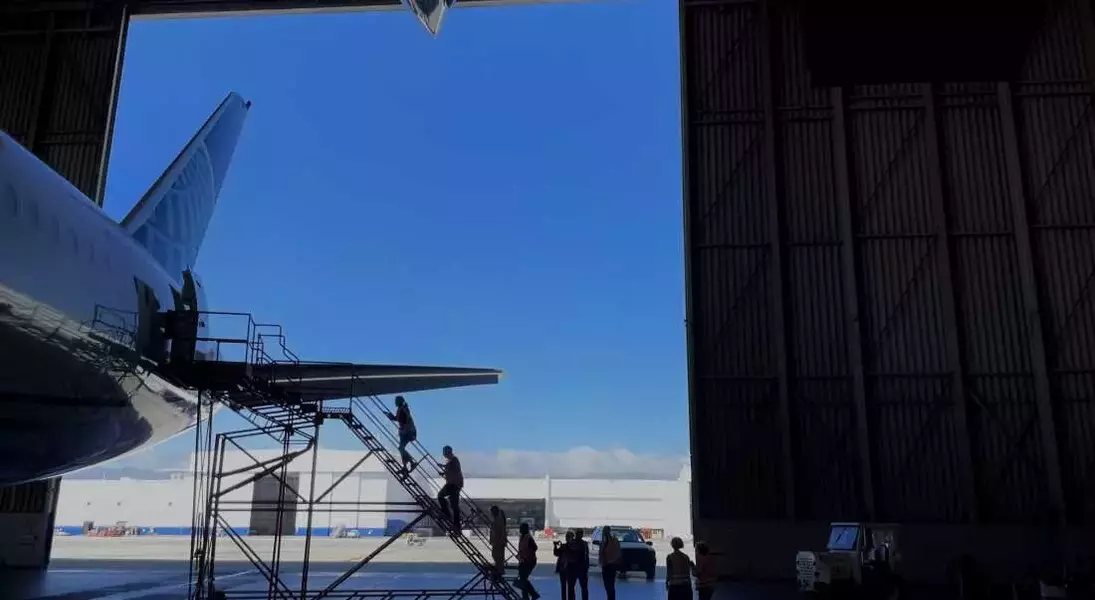
The program culminates in a real commercial flight, serving as a 'graduation' exercise. Prior to this, participants engage in gradual exposure, including visiting aircraft hangars and boarding planes, to acclimate themselves to the environment. Colette Vance, for example, confronted her claustrophobia by sitting in a window seat during these simulated experiences, utilizing learned coping mechanisms like deep breathing and positive self-talk. The collective support from clinic staff and fellow participants proved invaluable during her actual flight to Seattle. Upon landing, the shared triumph was palpable, marked by cheers and congratulations. Vance's journey from debilitating fear to renewed confidence in flying underscores the clinic's success, highlighted by a serendipitous fortune cookie message predicting future travels to 'exotic places.'
Embarking on a journey to conquer personal fears, particularly those that limit one's freedom and experiences, represents a powerful act of self-empowerment. The ability to face and dismantle anxieties, whether through structured programs or individual perseverance, opens up new horizons and fosters a deeper appreciation for life's boundless possibilities. It reminds us that with the right tools, support, and determination, we can overcome significant obstacles and embrace a future filled with exploration and discovery.
