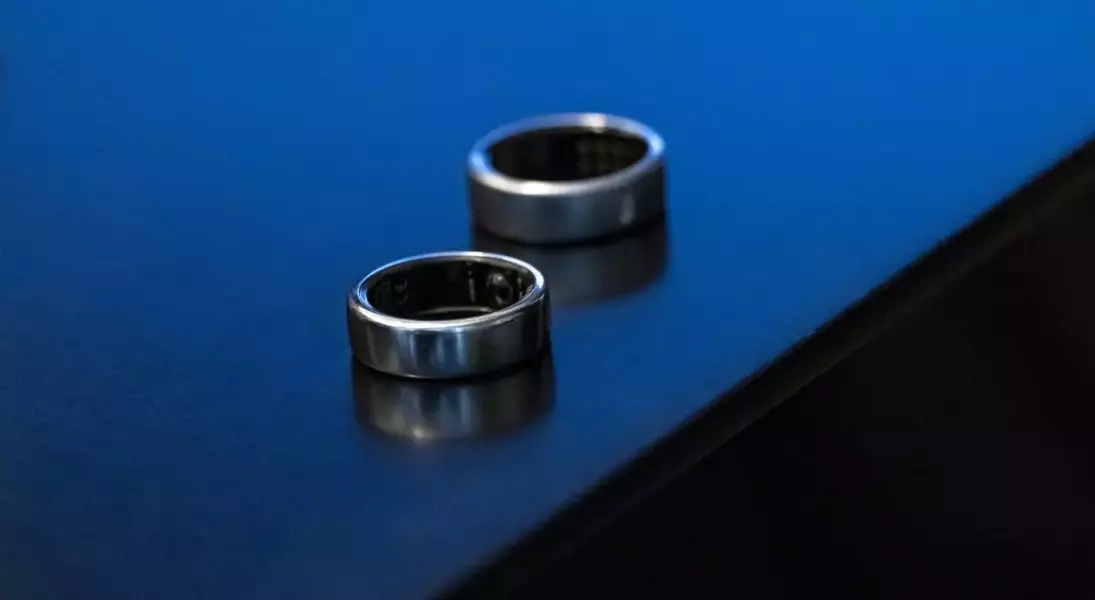
The wearable technology company Oura has recently announced an expanded collaboration with the U.S. Department of Defense (DoD), triggering a wave of user concern. This development has prompted widespread discussion across various social media platforms, with individuals expressing anxieties ranging from potential data privacy breaches to fundamental ethical objections regarding Oura's engagement with military entities. Despite Oura's assurances that consumer health data remains separate and secure, the controversy highlights a growing tension between technological innovation and public trust, particularly when private companies align with governmental defense initiatives.
Oura's Defense Collaboration and User Data Security
Oura's recent revelation of an expanded partnership with the U.S. Department of Defense has ignited considerable controversy among its user base. Social media platforms have become a hub for debate, with concerns spanning from speculative data privacy violations to ethical dilemmas surrounding the company's decision to collaborate with military organizations. Oura has unequivocally stated that personal health data from consumer-grade rings will not be shared with the military, emphasizing that this expanded alliance is strictly confined to its enterprise division. This commitment aims to assuage fears, highlighting a clear distinction between data streams for general users and those for specialized military projects. Despite these assurances, the discourse persists, reflecting a broader public unease about the intersection of personal health technology and national security interests.
The company maintains that its engagement with the DoD is not a new venture but rather an extension of a long-standing relationship. Oura's CEO, Tom Hale, underscored this point in a recent statement, reinforcing the company's dedication to bolstering military preparedness through advanced technology. This support involves investing in manufacturing capabilities within the United States, specifically in Fort Worth, Texas, and collaborating directly with active-duty personnel to identify factors that enhance soldier effectiveness. Oura has reiterated to its customers that their personal data will neither be sold nor shared with any third party without explicit consent, unless they are enrolled in a specific DoD health program and have voluntarily agreed to data sharing. This detailed clarification aims to differentiate between general consumer use and specialized enterprise applications, ensuring users understand the boundaries of data access. Nonetheless, the very nature of this military partnership continues to be a point of contention for many.
Palantir's Role and Public Perception Challenges
Further complicating public perception is Oura's association with Palantir, a prominent software firm renowned for its work with intelligence and defense agencies, particularly in the U.S. and Israel. Oura has clarified that it does not have a direct partnership with Palantir; instead, Palantir serves as a crucial security layer for certain DoD projects involving Oura's technology. This arrangement is primarily for initiatives demanding stringent security and compliance standards, facilitating the operation of Oura's enterprise platform within highly secure environments. The technical explanation delineates Palantir's role as a service provider ensuring data integrity and security for specific defense applications, rather than a direct collaborator in data collection or analysis from Oura's consumer base.
Despite Oura's efforts to provide clarity, the lingering concerns among its users are palpable. Many customers are left to grapple with the implications of supporting a brand that, regardless of direct data sharing, is involved with defense and intelligence contractors. The core issue transcends mere data privacy; it delves into the ethical and moral considerations of corporate alignment. For some, the comfort of knowing their data is secure is overshadowed by a reluctance to financially back a company engaged in military-industrial activities. This evolving landscape forces consumers to weigh their personal values against their desire for advanced health monitoring technology, creating a significant challenge for Oura in maintaining its user base amidst these complex ethical debates.
