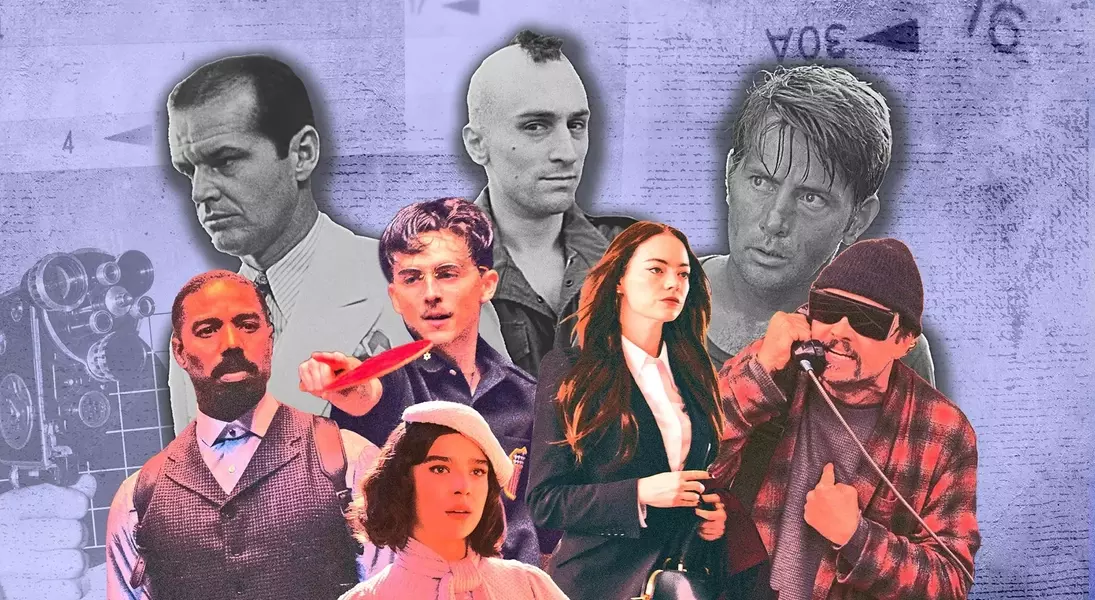
The current Oscar season is experiencing a remarkable throwback to the rebellious and innovative filmmaking spirit of the 1970s. This year's nominations feature a distinct pivot away from conventional studio blockbusters, sequels, and cinematic universes, instead favoring original and artistically daring productions. This creative renaissance is particularly evident in the success of Warner Bros. and its nominated films, which have embraced a vision akin to the maverick approach of legendary producer Bob Evans, who championed unique cinematic voices during a tumultuous period in Hollywood history. The industry's current landscape, marked by significant structural changes and technological advancements, seems to be fostering an environment where bold, unconventional storytelling can once again thrive, leading to a diverse and exciting pool of contenders for the Academy's top honors.
The shift towards more audacious and individualistic cinematic endeavors can be attributed to various factors, including evolving audience preferences, the impact of streaming services, and a renewed emphasis on artistic integrity over purely commercial considerations. This embrace of originality is not without its challenges, as the industry continues to grapple with the tension between creative expression and corporate demands. However, for the moment, it appears that the spirit of experimentation and a willingness to defy established norms are dictating the cinematic agenda, offering a refreshing change of pace and a promising outlook for the future of filmmaking.
The Resurgence of Original Vision in Hollywood
The latest Academy Awards season marks a profound pivot in the film industry, channeling the audacious creative energy that defined 1970s cinema. Unlike recent years dominated by established intellectual properties, this year's nominees underscore a robust return to original narratives and bold directorial voices. Major studios, notably Warner Bros., are demonstrating a willingness to back films that prioritize artistic vision over franchise potential, echoing the independent spirit championed by influential figures like Bob Evans. This movement signals a potential paradigm shift, where unique storytelling and individual artistic expression are gaining renewed prominence in an industry often criticized for its reliance on safe, commercially driven ventures. The success of these unconventional films suggests a changing tide in audience and critical preferences, favoring authenticity and innovation.
This current trend is characterized by a slate of films that break away from the predictable formulas of sequels, prequels, and expanded universes. Instead, they delve into diverse genres with gritty realism and profound artistic depth. This daring approach by studios is a direct response to the evolving dynamics of the entertainment landscape, which includes the transformative role of streaming platforms and heightened competition. The industry's acknowledgment of these original works, such as "Sinners" and "One Battle After Another," reflects a conscious decision to foster creativity and reward filmmakers who dare to challenge the status quo. This renewed emphasis on originality not only enriches the cinematic experience but also paves the way for a more diverse and artistically vibrant future for Hollywood, reminiscent of a golden age when visionary directors were given the freedom to tell compelling stories without commercial constraints.
Echoes of the Past: Bob Evans' Maverick Influence
The current Oscar landscape draws clear parallels to the influence of legendary 1970s film producer Bob Evans, whose maverick approach to filmmaking profoundly shaped an era of cinematic masterpieces. Evans was renowned for his intuition and unwavering support for daring, original projects, even amidst studio turmoil. This year's Academy nominations highlight a similar spirit, with a focus on films that embody independence and a resistance to conventional studio mandates. The success of studios championing such projects, notably Warner Bros. under executives Michael De Luca and Pam Abdy, reflects a contemporary embrace of Evans's philosophy—a belief in the power of unique storytelling and the courage to take creative risks in an ever-evolving industry. This parallel suggests that periods of disruption can often unlock unparalleled artistic freedom and innovation.
During the 1970s, the challenges faced by the studio system created an opening for visionary filmmakers to emerge with distinctive narratives. Today, amid the complexities of Wall Street influence and technological disruption, a similar environment appears to be fostering a new wave of cinematic boldness. Warner Bros. has notably capitalized on this by backing films like "Sinners" and "One Battle After Another," which have not only garnered critical acclaim but also strong Oscar consideration. This strategy represents a deliberate effort to defy the prevailing industry trend of producing only safe, franchise-driven content. The decision to invest in ambitious, original productions, such as Maggie Gyllenhaal’s upcoming "The Bride!", further solidifies this commitment to a more artistically driven future. The echoes of Bob Evans's enduring legacy are evident, proving that a dedication to original cinematic artistry can thrive even in the most challenging and transformative times.
