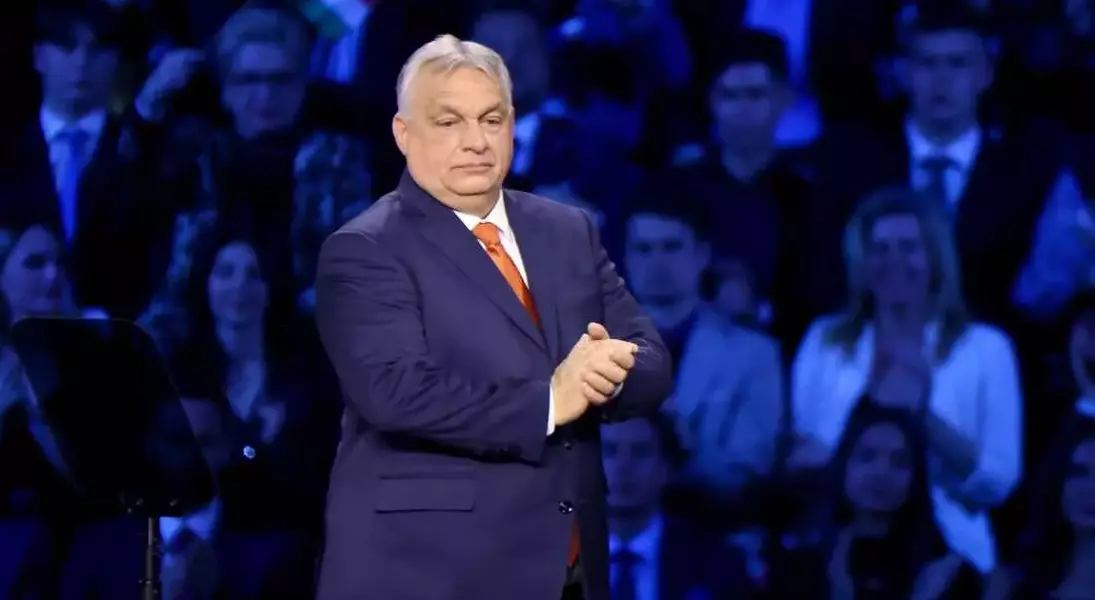
In a historic electoral shift, Hungarian Prime Minister Viktor Orbán has acknowledged his defeat, signaling the conclusion of his 16 years in power. This pivotal moment follows an election where voter turnout reached unprecedented levels since the post-communist era. Péter Magyar and his Tisza movement appear to have secured a commanding victory, potentially reshaping Hungary's political landscape and its stance on the global stage. The ramifications of this election extend beyond national borders, particularly for Europe and Ukraine, given Orbán's often contentious relationship with the European Union and his pro-Kremlin leanings.
The election results signify a potential new direction for Hungary, with the incoming leadership poised to address widespread concerns about corruption and to steer the nation back towards closer alignment with mainstream European values. This transition promises significant changes, from internal governance to international diplomacy, as the country grapples with the legacy of the previous administration and charts a fresh course for its future.
A Historic Shift in Hungarian Politics
Hungary has witnessed a landmark election, with an exceptionally high voter turnout not seen since the fall of communism in the 1990s. This surge in civic participation culminated in a stunning defeat for Prime Minister Viktor Orbán and his Fidesz party, bringing an end to his influential 16-year leadership. Early indications from exit polls point to a decisive victory for Péter Magyar's Tisza movement, which successfully galvanized opposition forces. The movement's platform resonated deeply with the electorate, focusing on critical issues such as combating systemic corruption and advocating for Hungary's closer re-integration into the broader European mainstream. Orbán's swift concession, made within three hours of polls closing, underscores the undeniable mandate given to the new political force, setting the stage for profound changes in the nation's governance.
The potential scale of the Tisza movement's triumph, possibly securing a two-thirds majority, holds immense implications for Hungary's future. Such a mandate would empower Péter Magyar to dismantle constitutional amendments enacted by Orbán's administration, which critics argued served to undermine judicial independence and entrench the Fidesz party's hold on power. This electoral outcome is therefore not merely a change in leadership but a fundamental reorientation of Hungary's political and legal framework. It signifies a clear public desire for greater transparency, accountability, and a return to democratic checks and balances, promising a new era of reform and a renewed commitment to European democratic principles.
Implications for Europe and Hungary's Future
The recent Hungarian election holds substantial significance not only for the nation itself but also for the wider European continent and Ukraine. Viktor Orbán's tenure was marked by frequent disagreements with European Union partners, particularly concerning financial support for Kyiv's budget and its ongoing defense efforts. His administration also faced numerous allegations of corruption and the improper use of EU funds, claims he consistently denied. The campaign garnered international attention, with prominent figures like U.S. Vice President JD Vance publicly endorsing Orbán, and former President Trump expressing support for his vision of an 'illiberal' democracy. This election's outcome, therefore, marks a critical juncture that could recalibrate Hungary's foreign policy and its relationship with key international allies and institutions.
With Péter Magyar's Tisza movement poised to take power, there is an expectation of a significant pivot in Hungary's international relations. The movement's commitment to re-integrating Hungary into the European mainstream suggests a more conciliatory and cooperative approach with the European Union. This shift could lead to a resolution of long-standing disputes, including those related to the rule of law and the allocation of EU funds. Furthermore, a change in leadership is likely to impact Hungary's stance on the conflict in Ukraine, potentially aligning the country more closely with the EU's collective efforts to support Kyiv. This election represents a pivotal moment that could redefine Hungary's role in European politics and its commitment to shared democratic values, signaling a departure from its previously isolationist tendencies.
