
Oracle, a significant entity in the technology sector, is poised to release its fiscal year 2026 first-quarter earnings. This event is under scrutiny by market observers who are keenly aware of the company's strategic pivot towards cloud computing. Following impressive performances by other tech giants like Broadcom and Netflix, which have contributed to the emergence of a new group of market leaders dubbed the 'Ten Titans', Oracle faces increased pressure to demonstrate that its substantial investments in cloud infrastructure are yielding the anticipated returns. The 'Ten Titans' collectively represent a significant portion of the S&P 500, highlighting the concentrated influence of these companies on market dynamics.
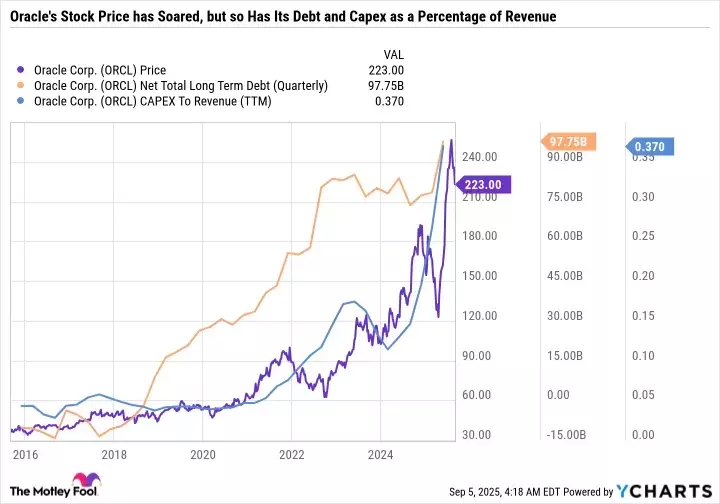
A critical factor in Oracle's recent success has been the expansion of its Oracle Cloud Infrastructure (OCI). This move has enabled the company, traditionally a database services provider, to secure new revenue streams by offering cloud services to its extensive enterprise client base. OCI distinguishes itself through a competitive pricing strategy and a business-to-business focus, allowing it to tailor its cloud offerings specifically to enterprise requirements, unlike other major cloud providers with broad consumer-facing operations. This strategic direction has been instrumental in Oracle's stock appreciation, which has seen a remarkable increase since early 2020. However, this growth has come with significant capital expenditures and an increase in net long-term debt, leading to a situation where investors are rewarding the company for its long-term vision, even as immediate revenue gains from these investments are yet to fully materialize.
As Oracle approaches its earnings release, key metrics for investors will be its capital expenditures and cloud revenue growth across both infrastructure and applications. The company has set ambitious targets, projecting a substantial acceleration in cloud growth for fiscal year 2026, driven primarily by OCI. The financial community's optimistic outlook, reflected in earnings per share estimates for the coming years, hinges on Oracle's ability to meet these aggressive growth forecasts. Should the company fall short, questions may arise regarding the sustainability and justification of its current spending and debt levels. Therefore, investing in Oracle at this juncture is seen as a high-risk, high-potential reward proposition, particularly for those with a long-term investment horizon and a tolerance for market volatility, as the stock's valuation is largely predicated on its future success in the AI and cloud domains.
In the dynamic landscape of technological advancement and market competition, companies like Oracle demonstrate the importance of strategic adaptation and bold investment. The journey of transforming a business model, especially in a capital-intensive area like cloud computing, requires foresight, resilience, and a commitment to long-term vision. The ongoing narrative of Oracle's cloud expansion serves as a compelling reminder that success in a rapidly evolving industry often demands significant upfront investment and an unwavering belief in the potential for future growth. Ultimately, such endeavors not only reshape individual companies but also contribute to the broader progress and innovation within the global economy, benefiting stakeholders and driving positive change.
