A new downloadable content (DLC) campaign has been unexpectedly launched for the highly praised 2017 puzzle title, Opus Magnum. This expansion, titled "Opus Magnum: De Re Metallica," brings fresh content to enthusiasts of the alchemical device-building game, offering an enriched experience.
Scheduled for release on March 17, "Opus Magnum: De Re Metallica" will introduce three new prequel chapters, incorporating a total of 17 innovative puzzles, along with new cinematic sequences, musical scores, and mechanical components (glyphs). The development team, Zachtronics, estimates the DLC's length to be approximately half that of the original game's campaign.
The announcement of new content from Zachtronics is somewhat unexpected, given previous statements regarding the studio's operational status. Zach Barth, the founder of Zachtronics, had previously indicated the studio's conclusion in an interview. However, this new release suggests a complex evolution of the studio's identity and ongoing projects.
Zachtronics is renowned for its contributions to the puzzle genre, having developed other acclaimed titles such as TIS-100, Infinifactory, and SpaceChem. Following the perceived end of Zachtronics, Barth and his colleagues established a new entity, Coincidence, which has continued to produce games like "Kaizen: A Factory Story." The reappearance of the Zachtronics name for this DLC release suggests a deliberate decision to leverage the brand's legacy for Opus Magnum's expansion. A representative from the studio noted that the long-term plans for Zachtronics and potential future expansions of other games remain undefined.
The new DLC delves into a prequel narrative, focusing on Saverio Daas, an unconventional alchemical researcher. Daas is driven by the belief that he can unearth metallurgical secrets that have eluded even the Imperial Academy. Details regarding the pricing for this new content have yet to be disclosed.
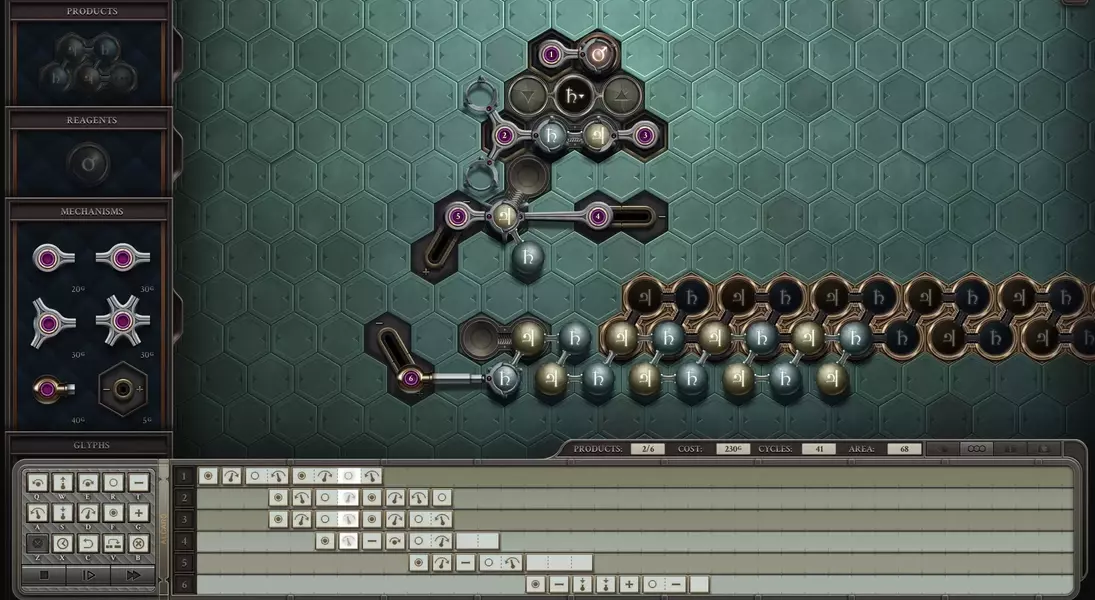
For those unfamiliar with Opus Magnum, it comes highly recommended. The game offers a satisfying challenge for problem-solvers, akin to larger factory automation games, but within meticulously designed scenarios that encourage diverse solutions. The primary objective extends beyond merely solving mechanical programming tasks; it also involves optimizing solutions for greater efficiency, with player performance viewable on a competitive leaderboard.
