Optimal performance and injury prevention in strength training rely heavily on appropriate footwear. Just as precise technique is fundamental to lifting, the shoes worn during exercise play an equally critical role. The correct pair provides stability, balance, and a secure stance, which are essential when engaging with weights, whether it's through squats, overhead presses, or deadlifts. A recent consensus among podiatrists points to one particular model as the ideal choice for this purpose, a selection that prioritizes foundational support over cushioned comfort, contrasting sharply with typical running shoe designs.
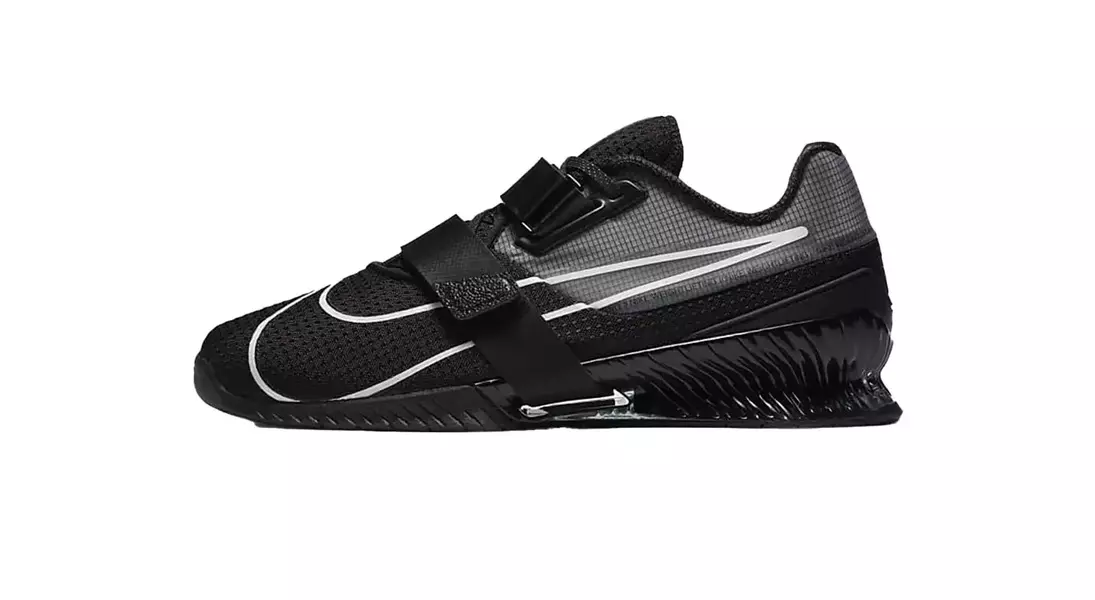
Podiatrists unequivocally endorse the Nike Romaleos 4 as the premier footwear for strength training. This shoe is specifically engineered to provide unparalleled stability and balance during weightlifting activities. According to Dr. Miguel Cunha, a board-certified podiatrist and foot surgeon, the Romaleos 4 boasts a wide and stable base, an exceptionally firm midsole, and superior traction. These characteristics collectively prevent foot instability, even when handling substantial weights. Dr. Cunha also highlights the elevated heel design, which aids in maintaining proper body alignment and form, thereby mitigating stress on the knees and hips and reducing the risk of discomfort or injury. Additionally, the shoe's double straps and padded tongue ensure a snug yet comfortable fit.
Dr. Jodi Schoenhaus, another podiatrist, further emphasizes the importance of selecting anatomically correct lifting shoes over heavily cushioned running shoes for joint support in the weight room. She cautions against soft, unstable footwear, asserting that cushioning, while beneficial for running, is detrimental when lifting heavy barbells. For dedicated weightlifters, maximal stability is an indispensable requirement.
The design of the Nike Romaleos 4, with its robust stability, reliable traction, firm midsole, and precisely calibrated cushioning, allows lifters to concentrate fully on their form and execution. This eliminates concerns about slipping or shifting during sets, fostering a more secure and efficient workout experience. When acquiring strength training shoes, experts advise seeking professional fitting to ensure the shoe complements individual foot types. For instance, those with high arches may benefit from increased shock absorption, whereas individuals with flat feet require enhanced motion control. Key attributes to seek include a solid heel counter for rearfoot stability and a spacious toe box to allow for natural toe splay. Furthermore, effective grip on the sole is crucial for maintaining a firm footing. Regular assessment and replacement of shoes are also recommended, particularly when the sole or tread show signs of wear, as this indicates a compromise in support and an increased risk of preventable injuries.
