

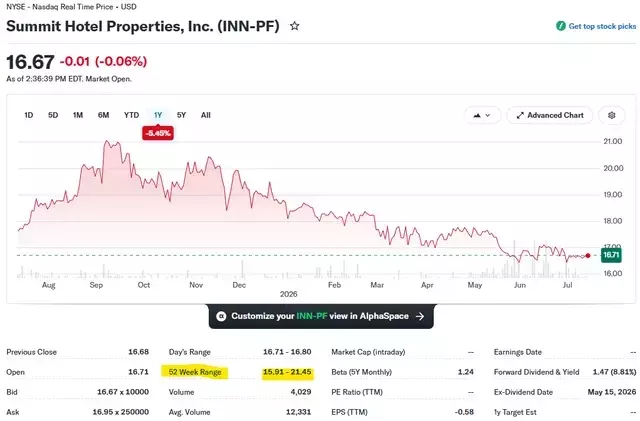
This analysis demonstrates a strategic approach to optimizing investment returns by actively managing positions in preferred equities, particularly focusing on Summit Hotel Properties (INN) Series E and F. The core idea revolves around exploiting market inefficiencies and mispricing in thinly traded preferred issues to enhance yield, increase potential for capital appreciation, and mitigate tax liabilities through strategic swaps. Despite a significant rise in INN's common stock, its preferred shares have seen price declines, creating opportunities for astute investors. This strategy not only aims to improve the overall financial performance of a portfolio but also emphasizes the importance of patient and focused trading to capitalize on these unique market dynamics.
The current market environment often presents opportunities for investors who are vigilant and strategic in their trading activities. This article delves into how an investor can leverage these opportunities within the preferred equity market, especially with issues that are less frequently traded. By understanding the underlying value and potential for price recovery, investors can make informed decisions that lead to both higher income streams and reduced tax burdens. The detailed example of INN's preferred shares illustrates a clear path for achieving these objectives, providing a blueprint for managing similar investments effectively.
Strategic Preferred Equity Swaps for Enhanced Returns
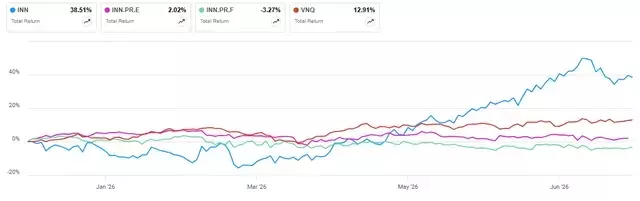
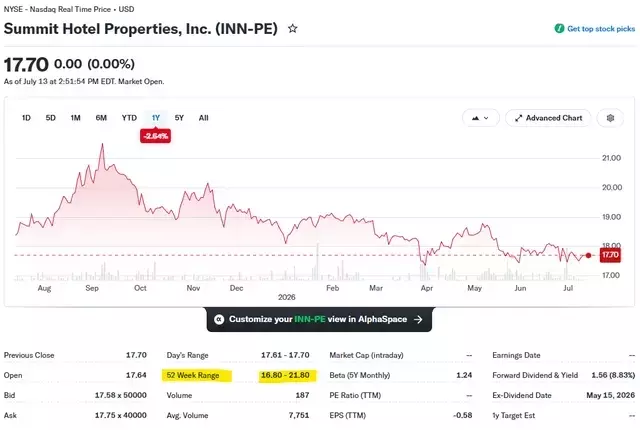
This section explores the strategic benefits of swapping preferred equities, specifically focusing on the Series E (INN.PR.E) and Series F (INN.PR.F) preferred shares of Summit Hotel Properties (INN). The primary objective is to enhance investment yield and increase the potential for capital appreciation while strategically managing tax implications. Even though INN's common stock has seen a significant rally, its preferred shares have experienced price declines, creating a unique opportunity for investors. By actively monitoring these thinly traded securities, investors can identify mispricing and execute trades that improve their portfolio's after-tax returns. This strategy is particularly relevant for those looking to maximize income from their investments while also being tax-efficient.
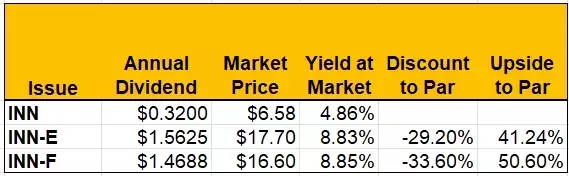
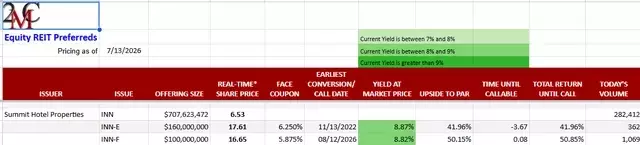
The detailed analysis highlights the potential to exploit discrepancies in the pricing of preferred issues from the same company. For instance, an investor holding INN.PR.E, which has declined in price, can sell it to realize a tax loss. This loss can then be used to offset capital gains from other profitable trades, thereby reducing the investor's overall tax liability. Simultaneously, the proceeds from the sale can be reinvested into INN.PR.F, which may offer a higher yield and a deeper discount to its par value, thus increasing the potential for future capital appreciation as the price converges towards par. This 'swap' strategy allows investors to maintain exposure to a high-quality issuer while improving their yield and upside potential, demonstrating a proactive approach to portfolio management that adapts to changing market conditions and tax environments.
Capitalizing on Market Inefficiencies and Tax Mitigation
This part of the article emphasizes how diligent investors can capitalize on market inefficiencies and mitigate tax burdens through active management of their preferred equity positions. The case of Summit Hotel Properties' preferred shares perfectly illustrates this point. In markets for thinly traded preferred equities, mispricing can frequently occur, presenting opportunities that are often overlooked by less active investors. These discrepancies allow for strategic adjustments that can significantly impact an investor's overall returns, especially when considering the after-tax yield.
The strategy involves a careful assessment of preferred share performance relative to their common stock and their peer issues. For example, when INN's common stock showed strong performance, its preferred shares inexplicably traded lower. This divergence created a chance for an investor to sell INN.PR.E at a loss, thus realizing a capital loss for tax purposes. This tax loss can be strategically used to offset capital gains from other investments, effectively reducing the investor's tax bill. The funds from this sale can then be redeployed into INN.PR.F, which at the time of the swap, offered a more attractive yield and a larger discount to par value. This dual benefit of tax mitigation and enhanced investment characteristics underscores the value of patient, focused trading in REIT preferreds, turning market lemons into profitable lemonade.
