OpenAI has rolled out GPT-5, the newest version of its artificial intelligence language model, making it broadly available to users of ChatGPT. This significant upgrade aims to provide an enhanced conversational experience, characterized by increased intelligence, speed, and overall utility. The company has moved towards a more integrated system where ChatGPT automatically determines the most appropriate model to process user queries, streamlining interaction and removing the need for manual selection. While the deployment is ongoing, many users, including those on the free tier, can now access these advanced capabilities, signifying a major step in making cutting-edge AI technology more widely accessible.
GPT-5: Accessibility and Integration
The highly anticipated GPT-5 is now live and accessible to all ChatGPT users. OpenAI's announcement highlighted an immediate rollout for both free and paid users, a departure from typical staged releases. This widespread availability means a vast user base can now experience the advanced capabilities of this new model, promising a smarter and faster interaction. The integration of GPT-5 within ChatGPT is designed to be seamless, with the system automatically selecting the most suitable model for each query, thus enhancing user experience without requiring manual model selection. This automatic integration ensures that users always benefit from the optimal AI capabilities for their specific needs.
The launch of GPT-5 represents a pivotal moment in the evolution of conversational AI. OpenAI's decision to make this powerful new model available to a broad audience, including free users, underscores a commitment to widespread AI adoption. While some users might experience a staggered rollout, the core functionality of GPT-5 — its ability to deliver more intelligent, rapid, and practical responses — is now a reality. The automated model selection feature simplifies the user interface, ensuring that the system intelligently applies the best resources to address prompts, leading to more relevant and efficient interactions. This eliminates the need for users to understand or choose between different underlying AI models, making the technology more intuitive and user-friendly. The shift toward an intelligent, auto-selecting model aims to provide a consistently superior experience, delivering the most insightful answers every time. Users can simply visit ChatGPT.com and begin interacting with the new, enhanced model.
Navigating the Rollout and Future Experience
While OpenAI declared GPT-5 to be immediately live, its full integration across all user accounts is a phased process. This means that although the model has been released, not all users will gain instant access. Patience is advised during this transition, as the system gradually updates for everyone. A notable change with GPT-5 is the automatic model selection feature within ChatGPT; unlike prior versions where users could manually choose a model, the system now intelligently determines the best fit for each prompt. This new approach aims to optimize performance by ensuring the most suitable model is always in use, even if it means users won't explicitly see or select "GPT-5."
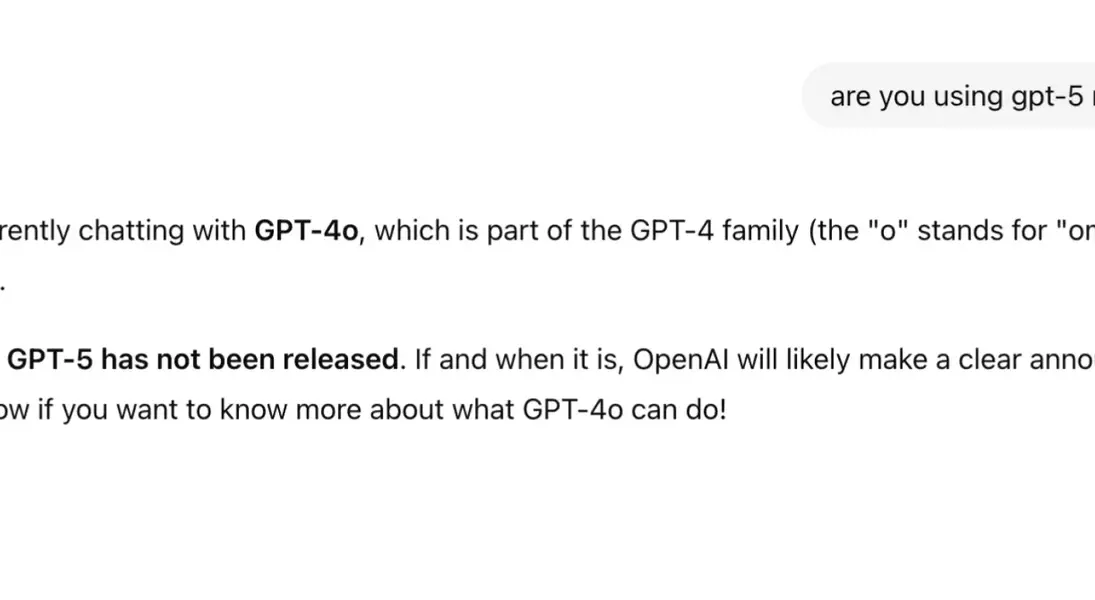
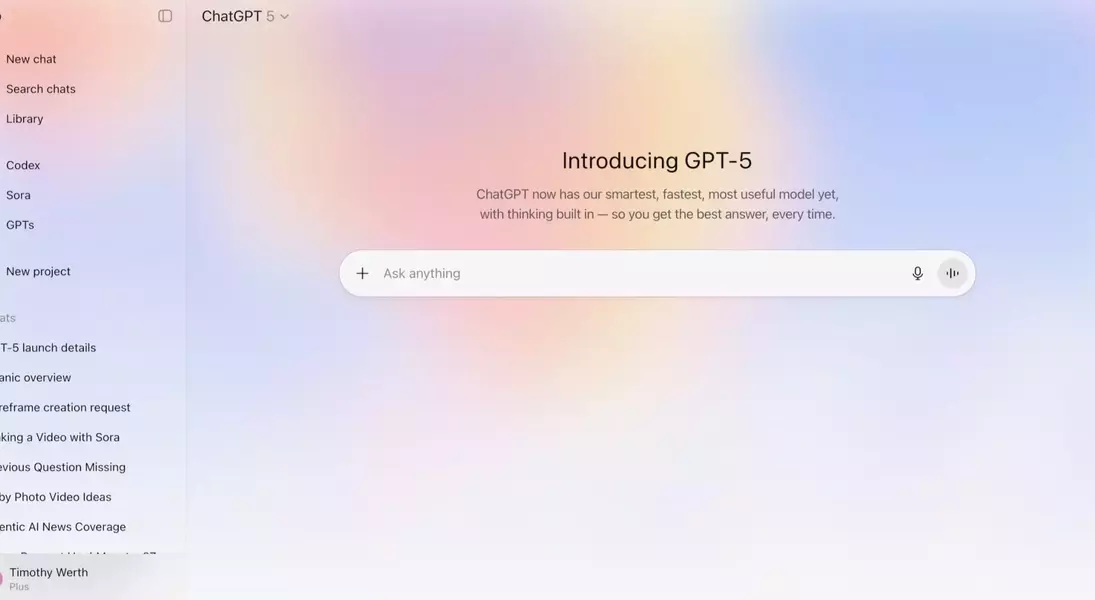
The phased nature of the GPT-5 rollout means that while the model is officially launched, its presence may not yet be universally reflected. Early observations indicate that some users might still encounter messages suggesting the model hasn't been released, which is a temporary part of the deployment process. Users should anticipate a forthcoming message on the ChatGPT homepage confirming the arrival of GPT-5, describing it as the "smartest, fastest, most useful model yet, with thinking built in." This signifies an intuitive advancement where the AI inherently optimizes its response generation. To engage with GPT-5, users simply need to access ChatGPT.com and submit their queries, allowing the system to leverage the new capabilities automatically. This seamless integration ensures an advanced and responsive interaction without requiring any complex setup from the user's end.
