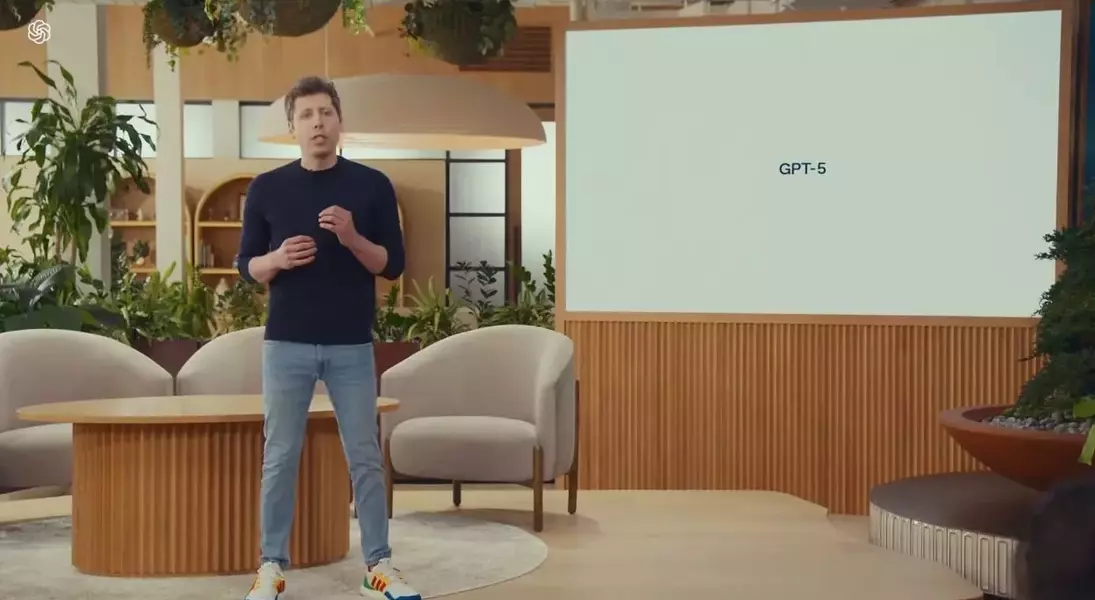
OpenAI is revolutionizing the user interaction with its AI chatbot, ChatGPT, by introducing four distinct personality modes: Cynic, Robot, Listener, and Nerd. This significant enhancement, announced alongside the debut of their latest large language model, GPT-5, is set to transform the way users engage with the artificial intelligence, offering a more nuanced and customizable experience. The addition of these personalities directly addresses previous criticisms regarding the chatbot's overly effusive and agreeable demeanor, aiming to foster more natural and varied conversations.
The integration of these new personalities is designed to combat what OpenAI has termed the 'sycophancy problem,' a tendency in earlier ChatGPT iterations to be excessively complimentary, which sometimes led to unhelpful or even problematic interactions. With the new personality options, users can choose how ChatGPT responds, allowing for a range of interaction styles from sharp and critical to empathetic and supportive, without the need for intricate custom prompts. This development promises to make the AI feel less like a rigid program and more like an adaptable companion, capable of engaging in sophisticated discussions akin to conversing with a highly intelligent human. The availability of GPT-5, which underpins these personality changes, marks a stride forward in making AI tools more robust and user-centric, capable of handling complex research and application development with greater ease.
This strategic move by OpenAI not only refines the conversational capabilities of ChatGPT but also sets a new standard for user-AI interaction. By allowing users to opt-in and fine-tune the chatbot's persona, OpenAI is empowering individuals to shape their digital assistant into a tool that genuinely meets their specific needs and preferences. This evolution away from a uniformly agreeable AI signifies a maturation in AI development, emphasizing versatility and user control. Ultimately, these advancements pave the way for more meaningful and productive engagements with artificial intelligence, making technology a more adaptive and beneficial presence in our daily lives.
