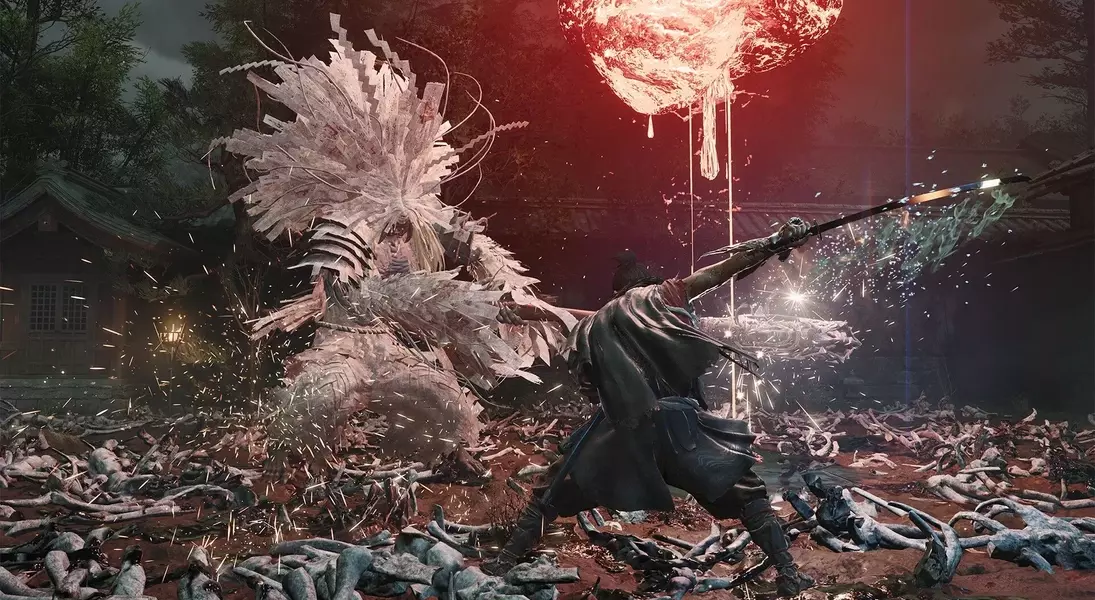
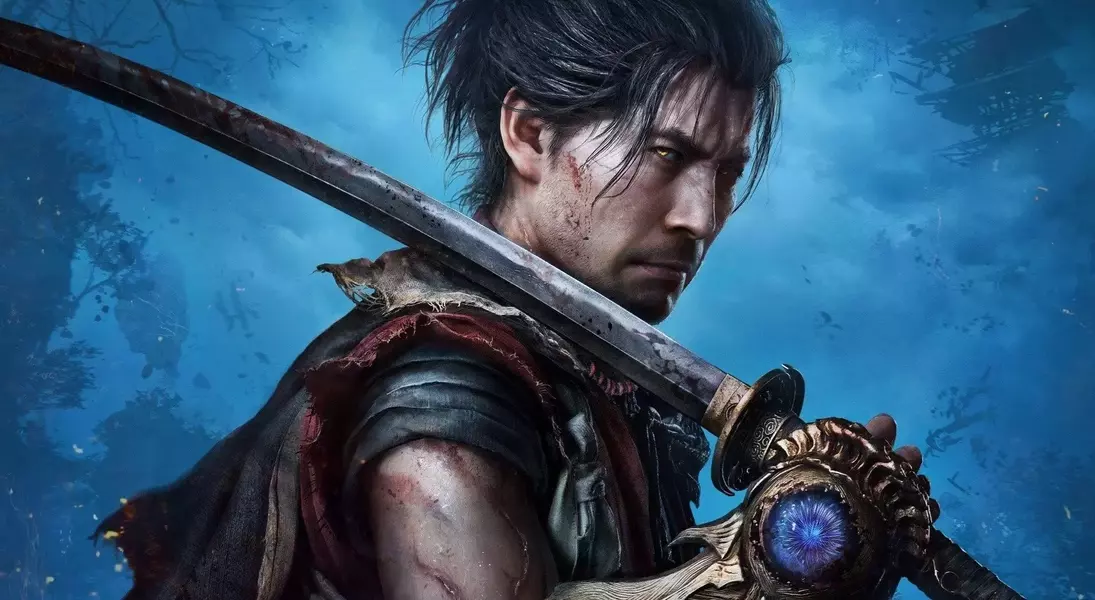
Capcom's ambitious revival of the "Onimusha" series, titled "Onimusha: Way of the Sword," has landed with a significant impact, stirring both acclaim and debate within the gaming community. This new installment, marking the series' return after two decades, distinguishes itself by moving away from the Soulslike trend prevalent in recent action games, instead focusing on a unique combat system where parrying is paramount. The game's reception has been largely positive, reflected in its commendable Metacritic score of 86, placing it favorably alongside other recent Capcom successes. However, critics also point to certain aspects, such as repetitive gameplay elements and a perceived dilution of the series' original identity, as areas for improvement.
Detailed Analysis of "Onimusha: Way of the Sword"
Released on September 4th for Nintendo Switch 2, PlayStation 5, Windows PC, and Xbox Series X, "Onimusha: Way of the Sword" has quickly become a focal point of discussion. The title's combat mechanics have been widely lauded, with reviewers consistently highlighting the depth and satisfaction derived from its parry-focused swordplay. Polygon's Giovanni Colantonio described the experience as a "battle worth surviving," acknowledging the game's challenge while appreciating its thematic depth. He noted that the game effectively conveys a message about strength through its difficulty, even if the journey can test one's patience due to recurring foes.
However, the game's propensity for repetition emerged as a common critique. Both Colantonio and Game Informer's Wesley LeBlanc highlighted a lack of enemy variety and the frequent re-encountering of mini-bosses, which some found to artificially extend the game's duration. LeBlanc suggested that this repetition, while somewhat mitigated by the exceptional combat, made protagonist Musashi's quest feel unnecessarily protracted, especially when compared to the intriguing ambitions of the main villains. RogerEbert.com's George Yang, despite agreeing with the combat's "weighty" and "meticulous" feel, also observed the recurring enemies. IGN's Will Borger, in his perfect 10/10 review, praised not only the combat but also Capcom's storytelling prowess and animation quality, specifically commending the respectful portrayal of the late actor Toshiro Mifune's mannerisms.
Conversely, Kotaku's Jackson Tyler offered a more critical perspective, arguing that Capcom may have sacrificed too much of the "Onimusha" series' distinct identity in an attempt to appeal to modern audiences. Tyler lamented the shift from a cohesive, interconnected world to an open-world structure replete with side missions and collectables, along with an overly complex upgrade system. He concluded that the game feels at odds with itself, attempting to strip the series down to a perceived core while replacing other elements with superficial similarities.
Reflections on Game Design and Audience Expectations
The varied reception of "Onimusha: Way of the Sword" offers valuable insights into the challenges of reviving a beloved franchise. On one hand, the game showcases Capcom's ability to innovate within established genres, delivering a combat system that is both engaging and distinct. The unanimous praise for its core gameplay mechanics suggests a successful reinterpretation of what makes a samurai action game compelling. On the other hand, the criticisms regarding repetition and design choices highlight the delicate balance developers must strike between honoring a series' legacy and adapting to contemporary gaming trends. For players, this conversation underscores the importance of developers listening to feedback, especially when it concerns maintaining the essence of a cherished title while striving for innovation. It's a reminder that while new approaches can breathe fresh life into old series, they must do so without losing sight of what made them special in the first place.
