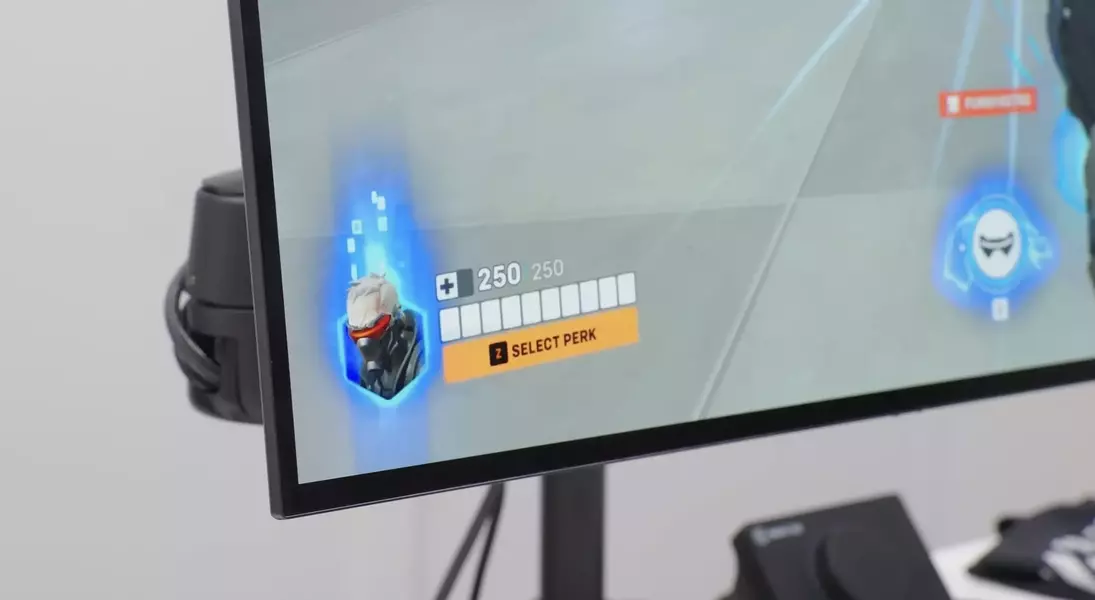
OLED (Organic Light-Emitting Diode) monitors have become a staple in the gaming community, celebrated for their vibrant colors and deep blacks. However, concerns about 'burn-in'—permanent discoloration of the screen due to static images—have historically deterred some potential buyers. This comprehensive report, based on extensive real-world usage, aims to shed light on the actual susceptibility of modern OLED gaming monitors to this phenomenon, providing valuable insights for consumers.
Unveiling the Reality: OLED Burn-In Under Scrutiny
Long-Term Evaluation of an LG WOLED Display
An in-depth investigation has been conducted on a 32-inch 4K LG WOLED monitor over a period of two years, accumulating approximately 3,000 hours of active use. This rigorous assessment, detailed by the YouTube channel Optimum, offers a crucial data point for understanding the long-term performance and potential for image retention in OLED technology.
Comparative Analysis: WOLED vs. QD-OLED Burn-In
While previous long-term burn-in studies, such as those by Monitors Unboxed, primarily focused on Samsung's QD-OLED panels, this new evaluation provides comparable metrics for LG's WOLED technology. This allows for a more holistic understanding of burn-in across different OLED panel types and their resilience to prolonged usage in diverse scenarios, from gaming to professional content creation.
Operating Conditions and Burn-In Mitigation Strategies
Throughout the testing period, the monitor was operated at a consistent brightness level, ranging between 80% and 100%. Minimal burn-in mitigation techniques were actively employed; users primarily relied on standard Windows features like dark mode and an auto-hiding taskbar. All factory-default panel protection settings, including the automatic panel cleaning routine that activates when the monitor is powered off, remained enabled. Notably, pixel shifting and screen dimming functions were not explicitly activated by default.
Quantifying the Impact: The Extent of Burn-In
Upon meticulous examination using a dark grey full-screen image, the observed burn-in was described as "very, very faint." The primary area of concern was a slight, almost imperceptible discoloration in the bottom-left corner of the screen, attributed to a static health bar from the game Overwatch. This specific element, being a near-white static image, represents a challenging scenario for OLED displays. However, under typical viewing conditions and even when cycling through various colors and shades of grey, this minor burn-in proved to be virtually undetectable, confirming its minimal impact on daily use.
Brightness Retention and Perceptibility
In addition to burn-in, the study also monitored the overall brightness of the monitor. Over the two-year period, the measured full-screen brightness experienced a negligible drop, decreasing from 262 nits initially to 258 nits. This minimal change is well within the imperceptible range for the human eye, reinforcing the idea that the monitor's performance remained largely unaffected by extensive use.
Recommendations for Minimizing Burn-In Risk
Based on the findings, Optimum advises users to adopt several common-sense practices to further minimize the risk of burn-in. These include consistently utilizing dark mode in operating systems, configuring the taskbar to auto-hide, and avoiding the use of Windows screen snap-to features for managing multiple application windows. Additionally, ensuring that the panel cleaning routine remains active is highlighted as a key preventative measure. While extensive play of games with static UI elements could potentially exacerbate burn-in, the overall conclusion remains positive.
Conclusion: OLED Monitors as a Viable Gaming Option
The prevailing sentiment from this and similar studies suggests that while burn-in is an inherent characteristic of OLED technology, it is not a catastrophic flaw for modern gaming monitors. With reasonable usage patterns and adherence to basic preventative steps, the benefits of OLED displays, such as superior image quality and response times, far outweigh the minimal and often imperceptible risk of burn-in for the vast majority of gamers.
