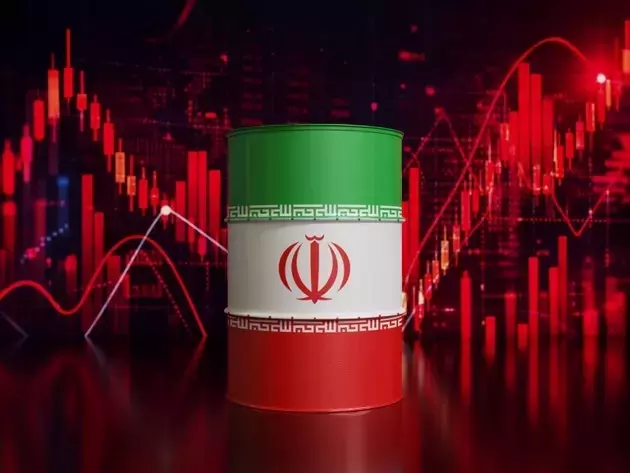
This report analyzes the recent surge in crude oil prices, particularly Brent, surpassing $100 per barrel, driven by escalating tensions in the Middle East. It examines the implications for global energy markets, inflation, and monetary policy, offering insights into the current market dynamics and future outlook.
Geopolitical Storm Brews: Oil Soars Amidst Regional Unrest
Crude Oil's Ascent: A New Benchmark
Yesterday marked a significant turning point in global energy markets as ICE Brent crude oil surged past the $100 per barrel threshold, a level not seen since May. This dramatic increase signals growing concerns within the market regarding supply stability and geopolitical risk.
Middle East Turmoil: Fueling the Price Hike
The primary catalyst for this upward trend is the intensifying geopolitical situation in the Middle East. With no clear indications of a peaceful resolution or de-escalation, market participants anticipate continued volatility. This uncertainty is likely to propel oil prices further upward as traders react to the evolving landscape.
Inflationary Pressures and Monetary Policy Implications
The sharp rise in energy costs is not without broader economic consequences. Higher oil prices inherently fan the flames of inflation, leading to worries that inflationary pressures could persist longer than previously expected. Such a scenario might compel central banks to maintain a more restrictive monetary policy stance for an extended duration, potentially impacting global economic growth and stability.
Gold's Reaction: A Contrasting Performance
In a notable divergence, gold prices experienced a decline. Traditionally viewed as a safe-haven asset, gold's fall in response to rising energy costs highlights the market's immediate focus on inflation. The prospect of sustained high inflation and restrictive monetary policies typically makes non-yielding assets like gold less attractive, as investors seek assets that can better withstand or benefit from rising interest rates.
Market Outlook: Navigating Uncertainty
The current market environment is characterized by a precarious balance of geopolitical tensions and economic concerns. The path forward for oil prices appears to be upward, especially in the absence of any significant de-escalation in the Middle East. Investors and policymakers alike will need to closely monitor these developments to anticipate their far-reaching effects on global commodity markets and the wider economy.
