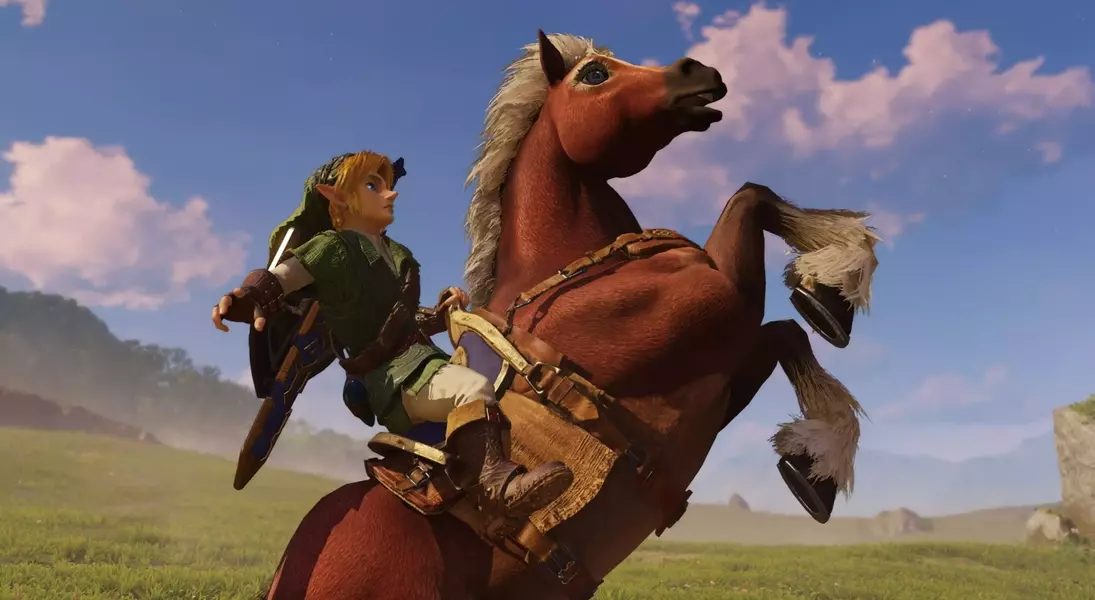
The recent release of The Legend of Zelda: Ocarina of Time's remake has become a landmark event in the gaming world, achieving both critical acclaim and remarkable commercial success. This resurgence of interest in a classic title has prompted a significant debate within the fan community and among industry insiders regarding the future direction of the esteemed Zelda franchise. As players and critics celebrate the modernized version of a beloved adventure, questions arise about balancing tradition with innovation, especially in light of the series' evolutionary path from its traditional dungeon-centric gameplay to the expansive open-world design of more recent installments. This discussion is further enriched by perspectives from former Nintendo executives, who shed light on the strategic decisions that have shaped the series' trajectory.
Revisiting Roots: The Timeless Appeal of Classic Zelda in a Modern Era
Ocarina of Time's Triumphant Return and Commercial Dominance
The updated rendition of The Legend of Zelda: Ocarina of Time has been met with overwhelming approval, garnering extensive praise from gaming critics who assert that the contemporary refresh has only amplified the qualities that established the original as one of the most exceptional video games ever crafted. This critical success is mirrored by its staggering commercial performance, with Nintendo reporting sales exceeding 5.2 million units within its initial four days of release, positioning it as the top-selling Nintendo-published title for the Nintendo Switch 2 during that period. It stands as the console's second highest-selling game overall, surpassed only by Mario Kart World, which has achieved over 16 million units in sales, underscoring Ocarina of Time's profound impact and enduring popularity.
The Evolving Debate: Open World vs. Classic Dungeon Design in Zelda
The remake's immense popularity has ignited a spirited conversation among fans and developers alike: should Nintendo reconsider its current emphasis on the expansive open-world framework, pioneered by Breath of the Wild, and instead lean back towards the series' foundational dungeon-centric game design? Offering valuable context to this discussion, Kit Ellis, former Nintendo of America director of social media marketing, and Krysta Yang, former senior manager of creator relations, shared intriguing insights on their recent podcast, delving into the historical trajectory and strategic shifts that have shaped the Zelda series.
Reflecting on Zelda's Past: The State of the Franchise Pre-Breath of the Wild
While Kit Ellis expressed enthusiasm for a potential contemporary take on a traditional Zelda game, he also provided a crucial perspective on the franchise's standing prior to the groundbreaking release of Breath of the Wild. Ellis contested the prevailing "revisionist history" that suggests Nintendo abruptly abandoned classic Zelda titles at the pinnacle of their popularity. Krysta Yang further emphasized the critical situation, stating that "This series was in dire straits. They were selling nothing," highlighting the urgent need for a transformative change to revitalize the franchise's appeal and commercial viability.
Sales Performance: A Stark Contrast Between Eras
Breath of the Wild stands as the most commercially successful title in The Legend of Zelda series to date, with an impressive 34.51 million units sold worldwide. In stark contrast, the last installment to feature the traditional classic Zelda style, 2011's Skyward Sword, achieved sales of 4.15 million units. This figure represented a significant decline from its predecessor, Twilight Princess, which had sold 8.93 million copies. The marked difference in sales figures underscores a clear shift in market reception and consumer preference, signaling a critical juncture for the franchise's strategic direction.
The Imperative for Change: Addressing Declining Interest
Recalling a particularly challenging period, Ellis recounted his experiences in focus groups, describing it as a "really dark moment." The feedback consistently pointed to a shrinking fan base and a failure to attract new players. He emphasized that Nintendo possessed extensive data confirming a diminishing audience interest, which unequivocally indicated that the company "had to do something dramatic" to reverse the trend and reinvigorate the series. This data-driven realization underscored the necessity for a significant strategic pivot to ensure the franchise's future relevance and appeal.
Charting the Future: Merging Tradition with Innovation
While it was evident that The Legend of Zelda franchise required a substantial overhaul following Skyward Sword, the remarkable triumph of the Ocarina of Time remake unmistakably demonstrates a strong ongoing demand among fans for games that embrace a more traditional, dungeon-centric gameplay experience. This impressive resurgence of interest could potentially inspire the development of a new Zelda title that re-embraces classic mechanics, or at the very least, encourages the integration of more traditional elements into forthcoming major installments, striking a balance between nostalgic appeal and contemporary design.
