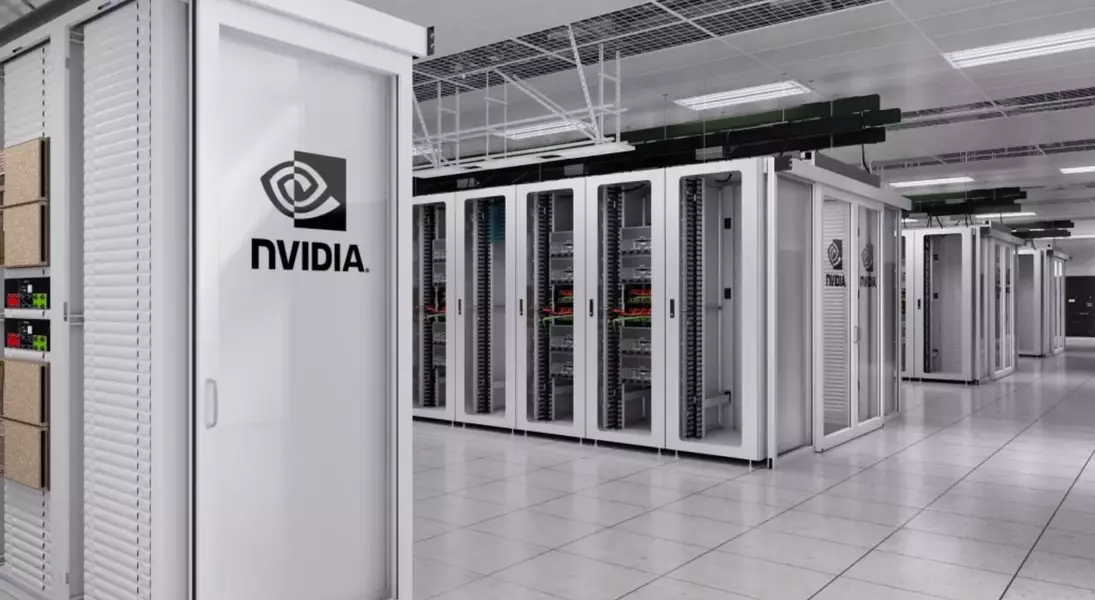
The escalating energy demands of artificial intelligence are presenting an unforeseen challenge, requiring innovative solutions. Nvidia, in collaboration with various partners, is proposing a novel approach: establishing approximately 25 compact data centers strategically located next to power substations across the USA. This decentralized model seeks to mitigate the increasing pressure on the electrical infrastructure, a direct consequence of the exponential growth in GPU deployment for AI workloads.
This initiative is not about reducing overall energy consumption; rather, it focuses on intelligent load management and optimization. The core principle involves dynamically adjusting computational intensity based on the available power at individual substations. When a substation experiences lower demand, its surplus capacity can be directed towards the adjacent data center, allowing for increased AI processing. Conversely, operations at data centers near heavily loaded substations can be scaled back, ensuring grid stability.
Marc Spieler, a senior director at Nvidia specializing in energy, highlights the immense potential of this distributed model. He points out that the vast network of 55,000 substations in the U.S., each potentially possessing 5 to 20 megawatts of untapped capacity, collectively represents a substantial power reserve. This localized approach allows for the utilization of smaller, otherwise insufficient, power allocations that would be impractical for traditional large-scale data centers.
While this strategy offers a pragmatic solution to the immediate energy crisis facing the AI sector, it implicitly suggests a future where even more GPUs are required. The need for redundancy across these smaller data centers means that a greater number of graphics processing units will be deployed overall, ensuring continuous operation even as individual sites fluctuate in activity. This continuous expansion of GPU deployment is a recurring theme in addressing AI's infrastructure needs.
Looking ahead, projections from the Electric Power Research Institute (EPRI) indicate that data centers could account for a staggering 17% of U.S. electricity generation by 2030, a more than twofold increase from current levels. Such a dramatic rise in power consumption necessitates urgent and creative interventions. Regardless of the specific solutions that emerge, it appears highly probable that Nvidia's GPU technology will remain central to driving the progress and development of artificial intelligence.
