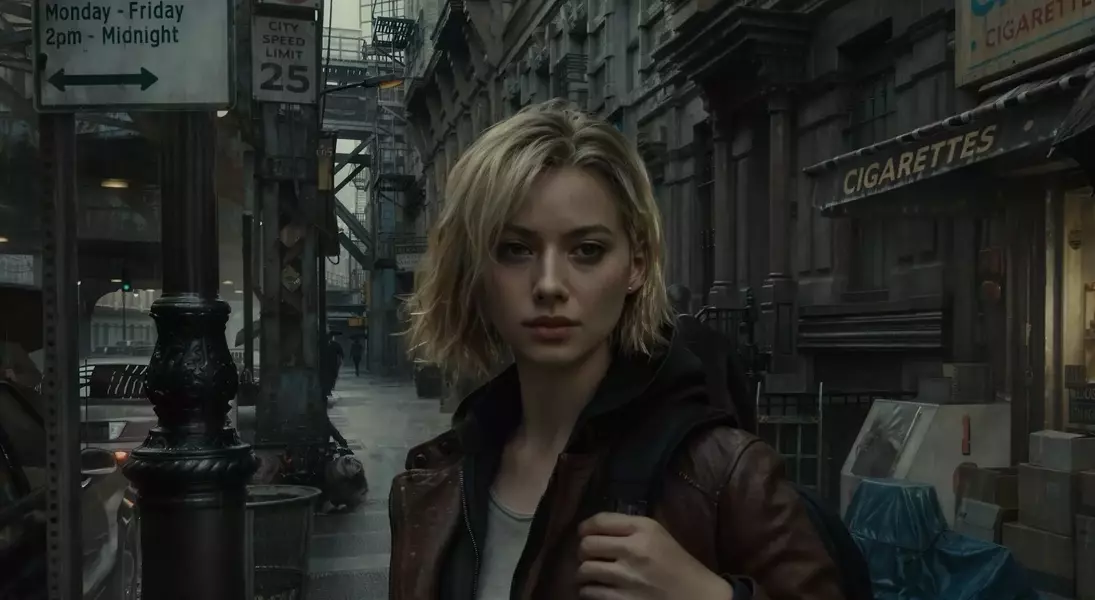
NVIDIA's latest iteration of its Deep Learning Super Sampling (DLSS) technology, DLSS 5, has stirred considerable discussion within the video game development community. Touted by the chipmaker as a groundbreaking advancement in computer graphics, some observers are questioning its artistic implications. Critics highlight how the technology appears to alter the intended visual style of games, citing the noticeably transformed appearance of Grace Ashcroft from 'Resident Evil Requiem' as a prime example that has circulated widely on social media platforms.
The announcement of DLSS 5's upcoming fall launch, slated to support titles from major developers such as Bethesda, Capcom, NetEase, Tencent, Warner Bros., and Ubisoft, has reportedly caught some studios off guard. Anonymous sources at Capcom revealed their astonishment, indicating a company stance against AI integration, particularly for 'Resident Evil Requiem' and other unreleased projects. Similarly, staff at Ubisoft expressed surprise, learning about the partnership concurrently with the public. Despite these internal concerns, Ubisoft's Charlie Guillemot publicly lauded the technology in an NVIDIA press release, emphasizing its potential to enhance immersion and facilitate the creation of more realistic game worlds.
While it's not unusual for executive decisions to be made without the immediate knowledge of all staff, this collaboration suggests a potential shift in Capcom's operational culture. The studio previously invested substantial effort into crafting authentic human characters for 'Resident Evil Requiem,' with actors like Angela Sant'Albano undergoing extensive motion-capture work to imbue characters like Grace with realism. Similarly, Leon S. Kennedy's actor, Nick Apostolides, highlighted his dedication to honoring the series' source material, resonating deeply with fans. These efforts underscore a commitment to artistic vision that some fear DLSS 5 might inadvertently compromise. The ongoing debate suggests that the gaming world has not yet fully grappled with the implications of this new graphics technology.
The convergence of advanced AI with artistic endeavors in gaming presents a unique challenge, prompting a necessary dialogue about technology's role in preserving creative intent. While innovation propels industries forward, it is equally important to safeguard the human element and artistic integrity that define compelling interactive experiences. This evolving landscape calls for a balanced approach, ensuring that technological advancements serve to enhance, rather than overshadow, the meticulous craftsmanship behind beloved virtual worlds and characters.
