
NVIDIA's DLSS 5, a new advancement in their rendering technology, presents a mixed bag for PC gamers. While initial demonstrations reveal a visually stunning experience once game developers optimize settings, the feature currently carries a substantial performance penalty. This trade-off between graphical fidelity and smooth gameplay is a key consideration for players.
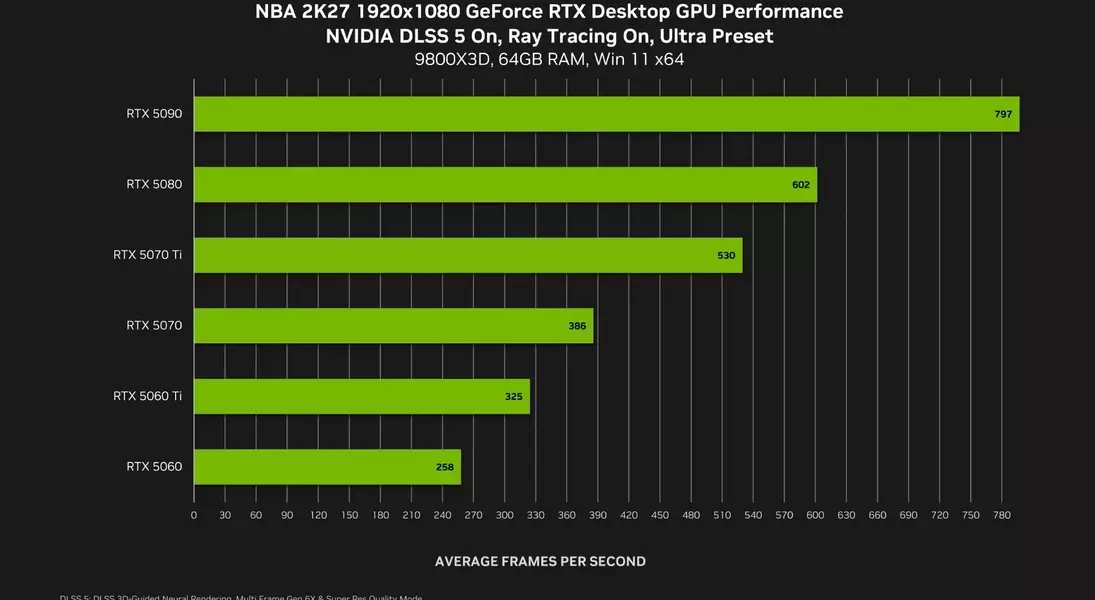
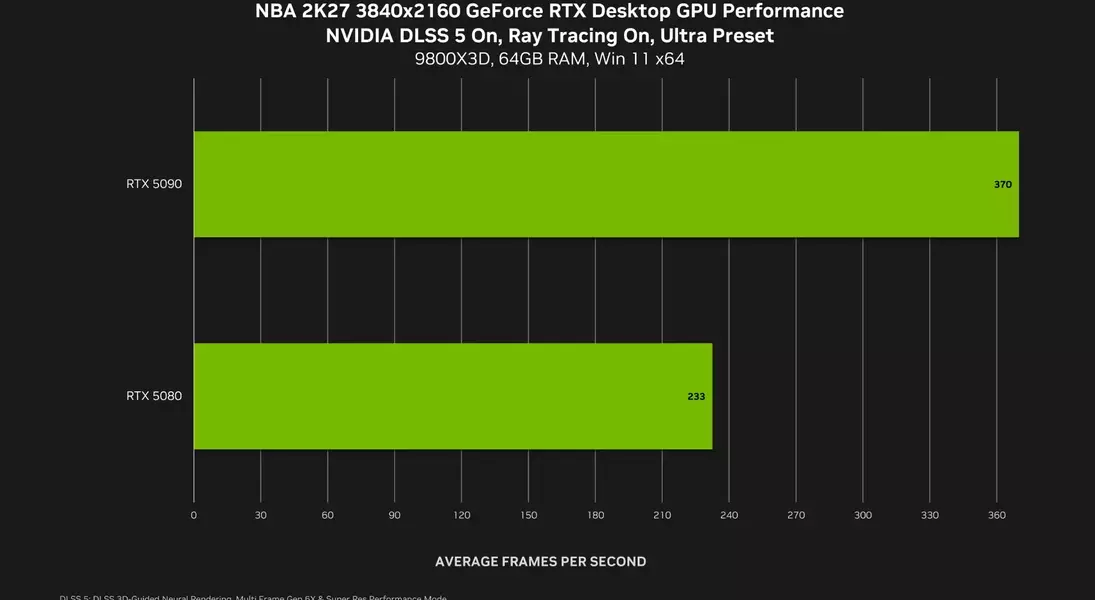
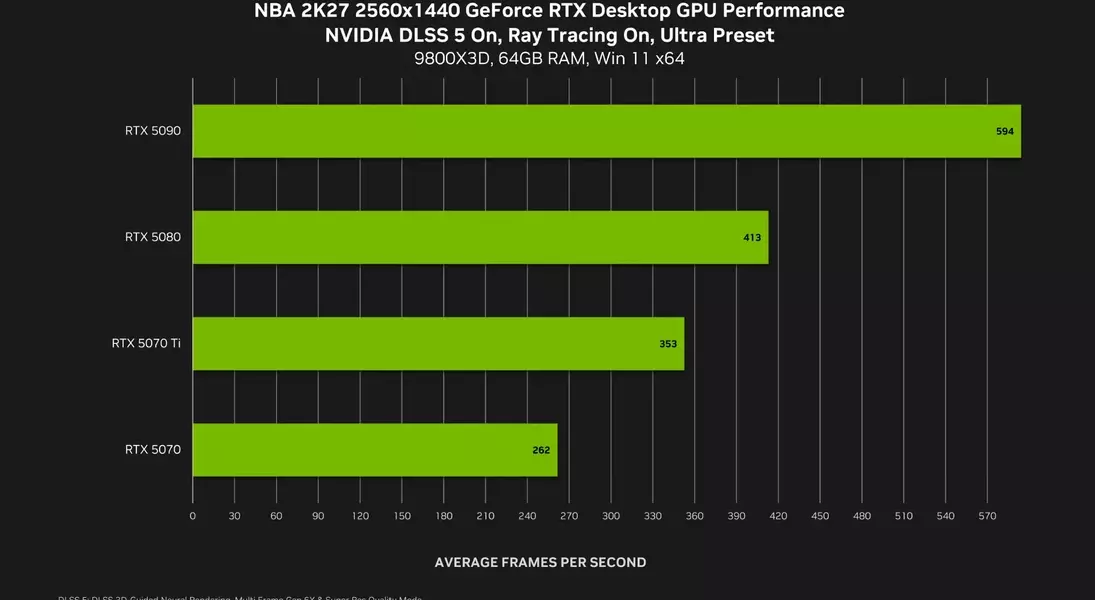
The reported performance hit of 50-60% across all titles is a significant concern. This means that even with powerful hardware, enabling DLSS 5 could drastically reduce frame rates, making high-end systems struggle to maintain optimal performance. For example, in NBA 2K27, an RTX 5060, despite leveraging 6x Multi Frame Generation and DLSS 5, still sees its core game performance drop to around 43 frames per second. Even premium cards like the RTX 5090 and RTX 5080, when running the same game at 4K with performance-level upscaling, heavily rely on frame generation to achieve high frame rates.
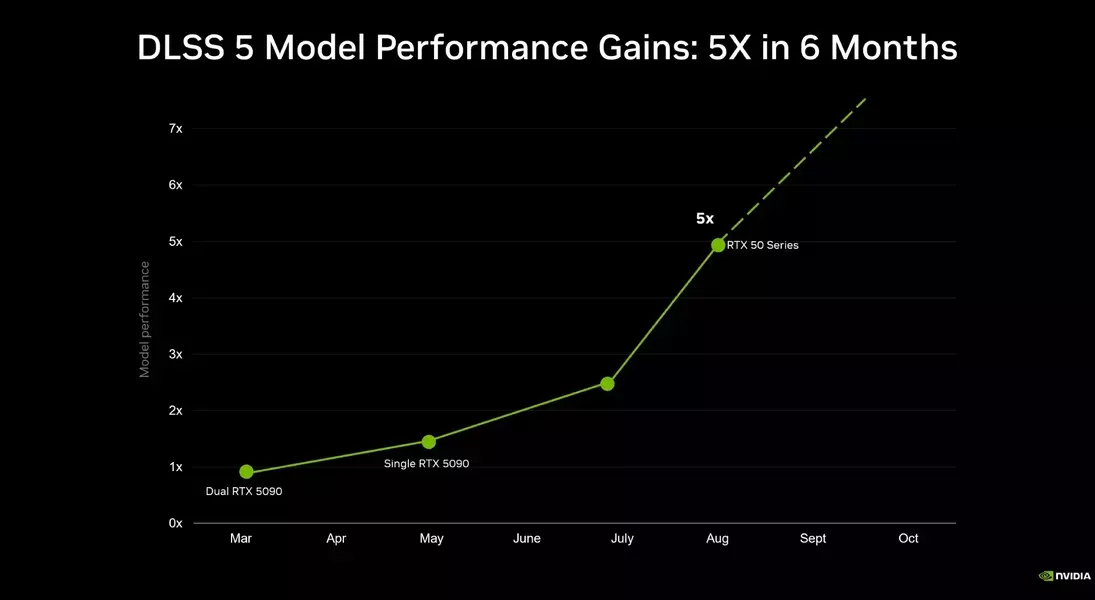
The current state of DLSS 5 presents a challenge for widespread adoption. Many gamers, still navigating a turbulent market for graphics cards, rely on older hardware, making such a performance-intensive feature difficult to utilize effectively. While NVIDIA assures that performance improvements are forthcoming, the initial impression of a demanding technology that heavily taxes even advanced GPUs raises questions about its immediate value proposition. The debate around AI's role in gaming and its impact on performance continues, with DLSS 5 highlighting the complexities of integrating cutting-edge visual enhancements without compromising the core gaming experience.
The continuous pursuit of technological advancement in gaming hardware is commendable, pushing the boundaries of visual realism and immersive experiences. However, it is equally important to balance innovation with practicality, ensuring that these advancements are accessible and genuinely enhance the gaming experience for a broad audience without creating prohibitive performance barriers.
