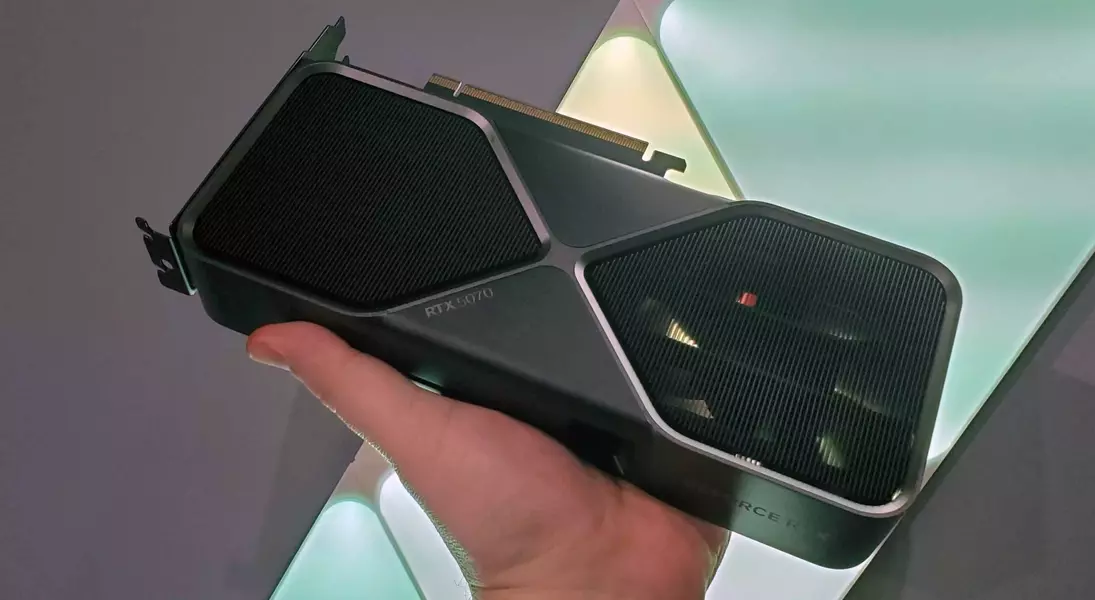
The landscape of PC gaming hardware is currently in flux, with significant price increases observed for NVIDIA graphics processing units (GPUs). This analysis delves into the underlying factors contributing to this trend and offers guidance to gamers navigating these challenging market conditions.
Navigating the Soaring Costs of Gaming Hardware
The Unexpected Rise in GPU Pricing
A notable increase in the cost of NVIDIA graphics cards has recently been identified, particularly affecting those equipped with over 8GB of VRAM. This escalation is not a reflection of increased demand for high-memory GPUs among gamers, but rather a consequence of broader market dynamics impacting pricing structures.
Dissecting the Price Increase for NVIDIA Cards
Prior reports indicated a potential price jump of up to 30% for NVIDIA graphics cards, spurred by rising costs in chip and memory bundles, as reported by a Taiwanese news outlet. Retailers are already reflecting these increases in their pricing of existing inventory. For instance, the NVIDIA RTX 5070, previously priced around $550, has seen its cost soar to approximately $755, representing a 37% increase—even surpassing initial predictions.
The Current State of Mid-Range Graphics Cards
It is astonishing to find a graphics card that was once considered mid-range, and even received a modest performance rating of 61% compared to its predecessors, now commanding prices upwards of $800. This places it in a price bracket previously reserved for high-end GeForce products. While the relative pricing anomaly between the RTX 5070 and the RTX 5060 Ti 16 GB has been rectified, the latter still retails at an exorbitant $650.
A Challenging Period for PC Enthusiasts
For individuals passionate about PC gaming, the current situation feels akin to being gradually overheated, indicating a sense of helplessness and vulnerability. The current pricing of fourth and fifth-tier GPUs has reached levels that were once characteristic of premium GeForce offerings, rendering them largely unattainable for the average consumer.
Factors Driving the Escalation in GPU Costs
Several interconnected reasons contribute to this surge in pricing. A primary driver is the burgeoning demand from data centers, which are consuming vast quantities of memory for artificial intelligence applications. This intensifies competition for memory supply, inevitably affecting the availability and cost of VRAM for other sectors. Furthermore, the growing interest in AI among enthusiasts and experimenters is leading to increased acquisition of high-VRAM GPUs. Regardless of the causes, the pricing of gaming GPUs has become unsustainable.
Strategic Advice for Gamers Amidst Price Volatility
Given the current market conditions, it is strongly advised against purchasing these overpriced NVIDIA GPUs. While AMD cards are also expected to experience price hikes, they currently offer better value. AMD's RDNA 4 architecture, in particular, delivers strong performance. For example, the Radeon RX 9070 GRE, a 12GB GPU, is available for about $500 and offers performance comparable to the RTX 5070. The Radeon RX 9070, a highly recommended GPU, is priced at $650, offering superior performance compared to the RTX 5060 Ti 16 GB at the same price point.
Concluding Thoughts on the GPU Market
The present climate in the PC gaming hardware market is indeed challenging. The top five tiers of NVIDIA graphics cards have become disproportionately expensive, making them an impractical investment for gamers who need to manage their budgets carefully. Therefore, it is currently difficult to recommend any of these high-end NVIDIA options to value-conscious consumers.
