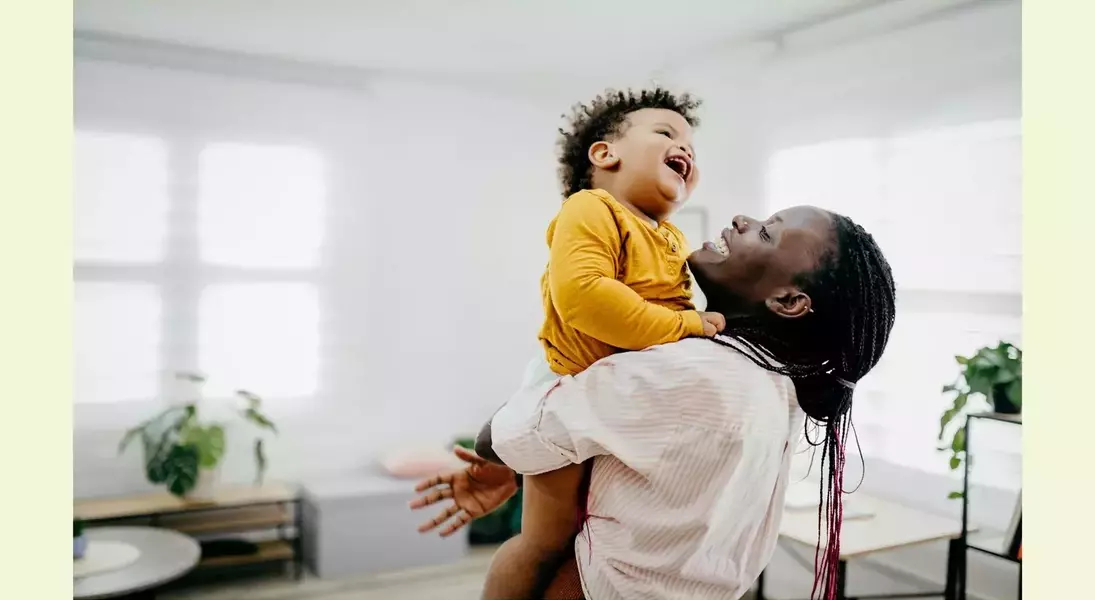
Establishing a strong, secure bond with your children is fundamental to their overall growth. This healthy connection not only strengthens their relationship with you but also significantly influences their future social interactions, including friendships and romantic partnerships. Understanding and fostering this bond is key to nurturing well-adjusted individuals.
The secure attachment style is considered the most beneficial for promoting healthy relationships throughout a child's life. This style develops when caregivers consistently respond to a child's needs, leading children to perceive others as dependable and trustworthy. This crucial foundation begins forming during the first year of life, driven by a child's innate need for survival and psychological security. Children with secure attachment will explore their surroundings confidently when a caregiver is present, engage comfortably with strangers when encouraged, show clear distress upon a caregiver's departure, and express joy upon their return.
Several indicators suggest a child has developed a secure attachment. Firstly, they view their caregiver as a 'secure base,' returning for reassurance before venturing out to explore again. This behavior evolves with age, transitioning from physical closeness to more subtle forms of connection, like eye contact. Secondly, securely attached children exhibit joyful reunions with their caregivers after separation, no matter how brief, signaling trust and a sense of being loved. Thirdly, they naturally seek comfort from their caregivers when upset or distressed, trusting that their emotional needs will be met. Fourthly, these children tend to form healthy friendships, recovering well from conflicts, understanding others' perspectives, and believing in the possibility of repair. This ability to forge positive social connections stems from learning to trust and empathize, mirroring their experiences with primary caregivers. Fifthly, they can articulate their feelings, indicating an internalization of emotional support from their parents. This emotional literacy contributes to better mental and physical health later in life. Additionally, securely attached children demonstrate resilience, coping well with stress and regulating their emotions, thanks to their foundation of safety and trust. Interestingly, displaying distress during separation can also be a sign of secure attachment; it shows they miss their attachment figures, and their ability to be soothed upon reunion is the more telling factor. Securely attached children are also openly affectionate and confident, readily expressing love and opinions. Finally, a unique sign is 'restraint collapse' after school, where children, feeling safe with their caregiver, release pent-up emotions. This behavior, though challenging for parents, signifies deep trust and emotional security.
For parents seeking to cultivate secure attachment, several strategies are highly effective. Consistently responding to your child's needs is paramount. This doesn't demand perfection but rather a consistent presence, a willingness to listen without judgment, and a commitment to care. Providing a safe environment for exploration is equally important, encouraging independence while offering a reliable 'safe base' for comfort and encouragement. Validating their emotions by acknowledging their frustrations and trying to understand their perspective helps children learn that all feelings are acceptable and manageable. Parents should also be transparent about their own emotional expressions, both positive and negative, but always ensure the child understands they are not responsible for the parent's emotional state. Engaging in quality time and play strengthens the bond, showing children they are valued, especially when parents share in their passions. Modeling appropriate behavior, particularly emotional regulation and self-care, creates a stable environment and teaches children valuable coping strategies. Furthermore, verbally expressing love and warmth is crucial; even if actions speak volumes, explicit declarations reinforce feelings of security. Lastly, and perhaps most importantly, parents should not strive for perfection. Research indicates that even partial attunement (around 54% of the time) can lead to secure attachment. Being present, authentic, making mistakes, and then repairing them, are the true drivers of a secure bond.
Ultimately, nurturing a secure attachment is a continuous journey of responsiveness, emotional validation, and consistent love. By creating an environment where children feel seen, heard, and supported, parents empower them to explore the world with confidence, manage their emotions effectively, and build meaningful, lasting relationships throughout their lives.
