
The burgeoning field of artificial intelligence, with its ever-increasing complexity, necessitates a robust and consistent energy supply. This growing demand has brought alternative power solutions to the forefront, particularly nuclear energy, which offers a compelling mix of efficiency, reliability, and cost benefits compared to conventional power generation methods.
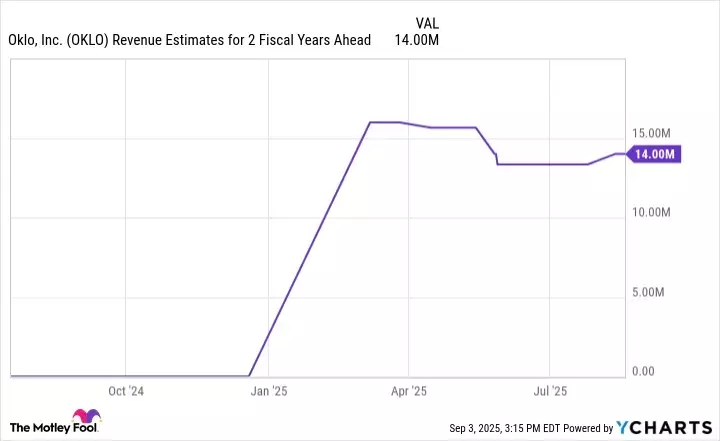
Oklo has emerged as a significant entity in this evolving landscape, attracting considerable investor interest due to its intersection with both AI and nuclear power. Despite a remarkable 1,000% surge in its stock value over the past year, its market valuation, currently at approximately $10.7 billion, is largely based on future prospects rather than present financial performance, as the company is not projected to generate substantial revenue until 2027. This speculative valuation raises concerns about potential over-enthusiasm, especially given Oklo's continued high research and development expenses and capital expenditures.
From a financial analyst's perspective, Oklo's strategy to raise capital through share offerings, even at a high valuation and at the cost of shareholder dilution, signals a proactive approach to secure funding for its modular reactor technology. However, this strategy also suggests a willingness to leverage market hype. With Wall Street estimates placing Oklo's 2027 revenue at a mere $14 million, the current price-to-sales ratio is exceptionally high. While a strong performance could see revenue reach $500 million by 2027, the present valuation would still remain elevated for a capital-intensive clean energy enterprise. A more conservative multiple, typical for early-stage green energy companies, would suggest a significantly lower share price. Therefore, it is imperative for investors to evaluate Oklo's trajectory with a keen understanding of its fundamental business realities, as the company's valuation appears to hinge heavily on future achievements rather than current metrics.
The growth of advanced technologies like AI underscores the critical importance of foundational infrastructure, particularly in energy. While speculative investments can yield impressive short-term gains, true sustainable progress is built on tangible innovation and sound financial principles. Companies that can bridge the gap between ambitious vision and concrete execution will ultimately drive meaningful advancements and generate lasting value for society.
