

Choosing the right breakfast cereal can be a valuable asset in your weight management strategy, offering an affordable and nutrient-dense start to your day. It’s essential to be discerning in your selection, prioritizing cereals that are rich in dietary fiber and protein while keeping a close eye on their added sugar content. These two macronutrients are key players in promoting satiety and regulating blood sugar, which are critical for preventing overeating and managing cravings. Beyond just the nutritional composition, understanding appropriate portion sizes is equally important to avoid inadvertently consuming excess calories. With a mindful approach to selection and consumption, cereal can indeed be a healthful and satisfying component of a diet geared towards achieving and maintaining a healthy weight.
The Power of Fiber and Protein for Satiety
For individuals focusing on weight management, cereals high in fiber and protein are highly beneficial. Fiber, a complex carbohydrate, slows down digestion, leading to prolonged feelings of fullness and a steady release of glucose into the bloodstream, which helps prevent sharp spikes and subsequent crashes in blood sugar. This steady energy supply helps curb hunger pangs and reduces the likelihood of snacking between meals. Meanwhile, protein also contributes significantly to satiety due to its longer digestion time compared to carbohydrates and fats. A breakfast that includes ample protein can stabilize blood sugar levels throughout the day, which in turn helps manage cravings and sustains energy. Incorporating these nutrient-dense cereals can be a simple yet effective way to support your weight loss efforts by promoting sustained fullness and better metabolic control.
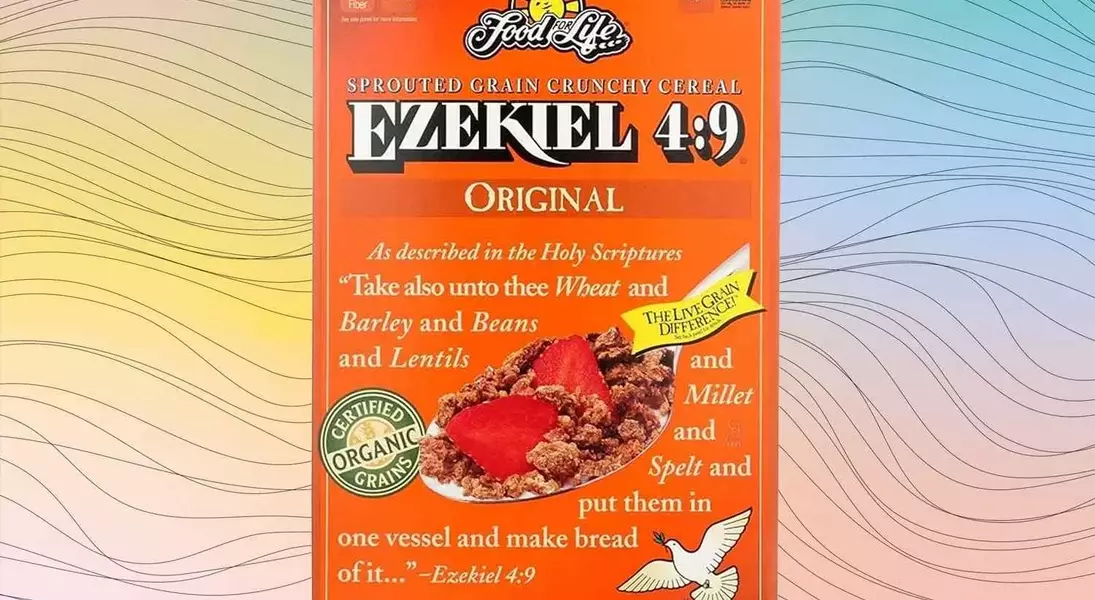
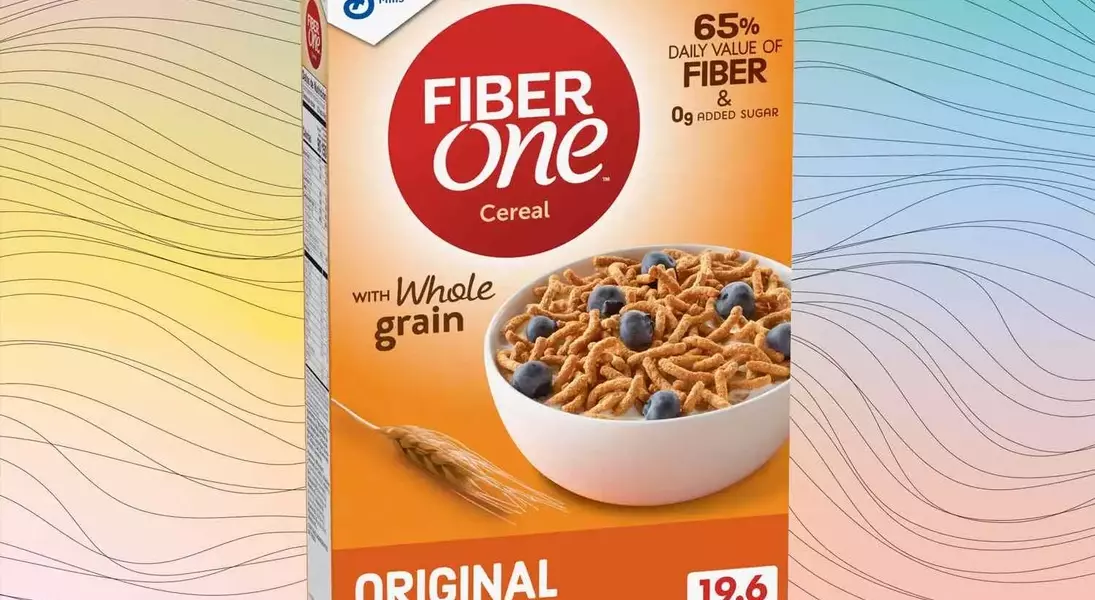
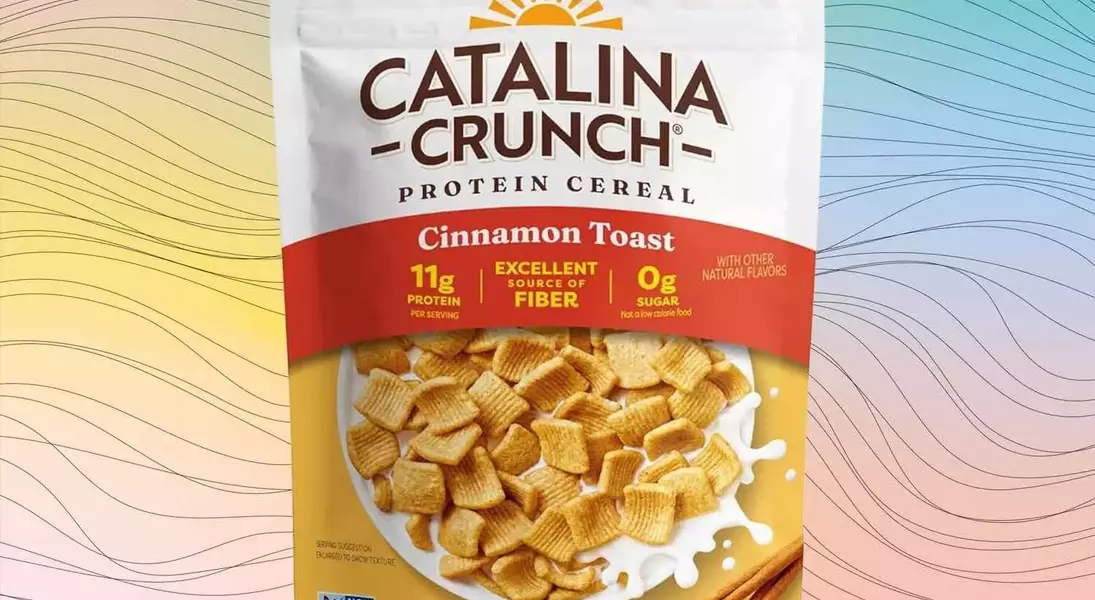
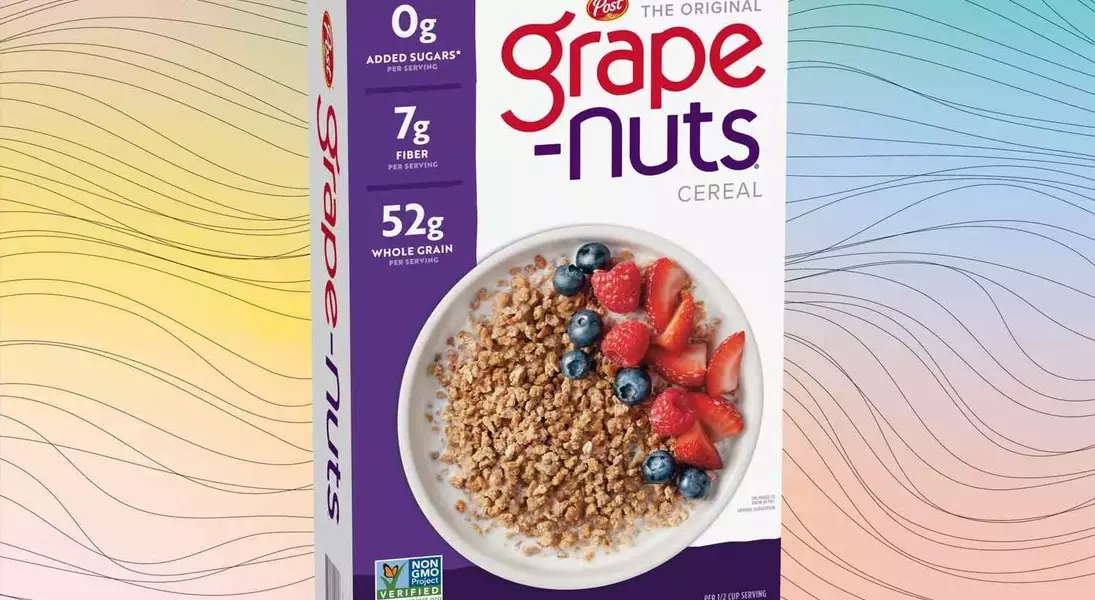
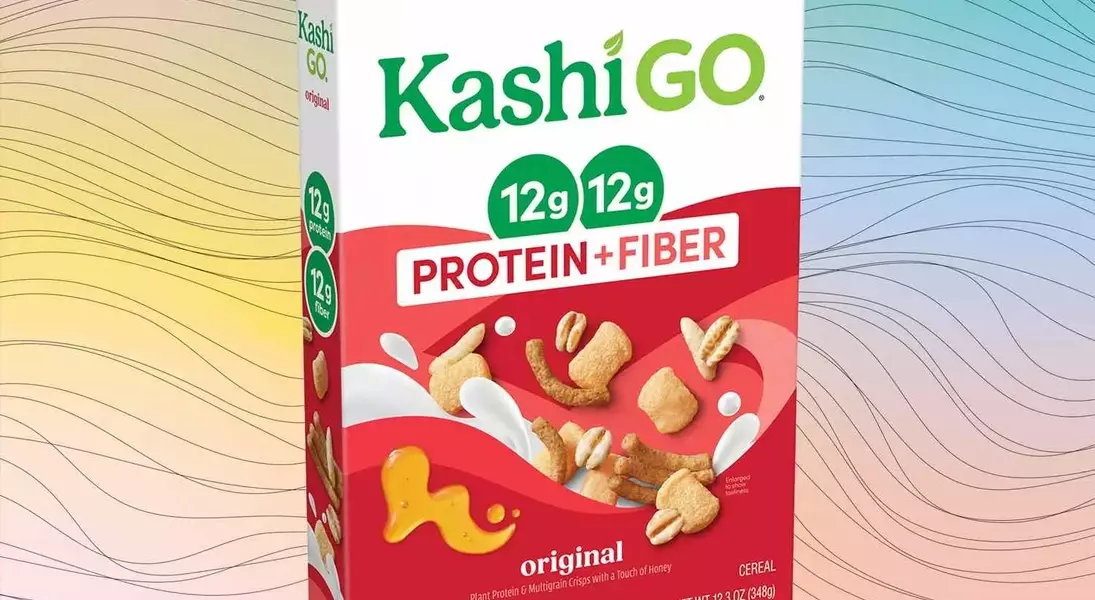
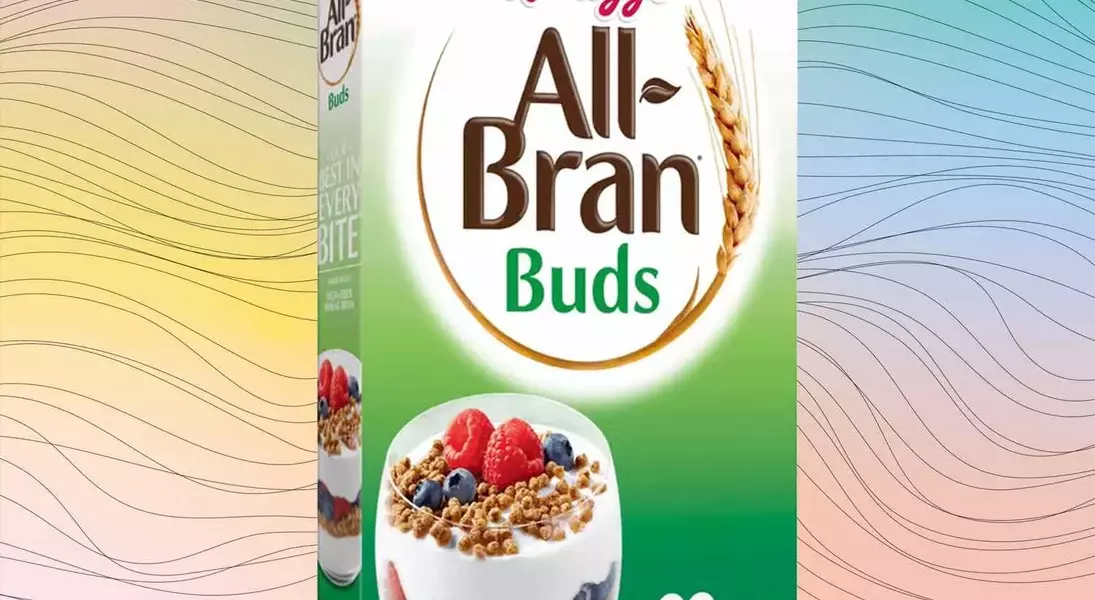
Fiber-rich cereals, such as Fiber One Original Bran, Grape-Nuts, and Kellogg’s All-Bran Bran Buds, offer substantial amounts of fiber per serving, contributing to satiety and digestive health. Fiber One provides a remarkable 18 grams of fiber per two-thirds of a cup, effectively meeting a significant portion of daily fiber needs with minimal calories and sugar. Similarly, Grape-Nuts, with its 7 grams of fiber and 6 grams of protein per half-cup, offers a robust, unsweetened option that can be enjoyed with various toppings. Kellogg’s All-Bran Bran Buds, while slightly higher in sugar, still delivers 17 grams of fiber, aiding in prolonged fullness. Meanwhile, protein-packed options like Catalina Crunch Protein Cereal and Kashi Go Protein & Fiber are game-changers for those seeking to boost their protein intake at breakfast. Catalina Crunch stands out with 11 grams of protein and 9 grams of fiber, sweetened naturally without added sugars, making it an excellent choice for sustained energy. Kashi Go offers a balanced 10 grams of both protein and fiber, appealing to a wider audience with its varied flavors and accessibility. Nature’s Path Heritage Flakes, made from ancient grains, also contribute 7 grams of fiber and 5 grams of protein per cup, providing a satisfying crunch and balanced nutrition. Lastly, Food for Life Ezekiel 4:9 Sprouted Crunchy Cereal, leveraging sprouted grains, delivers 6 grams of fiber and 8 grams of protein with just 1 gram of added sugar, optimizing nutrient absorption and digestibility. These cereals demonstrate that a nutritious and satisfying breakfast is achievable, supporting weight loss goals by enhancing satiety and providing essential nutrients.
Smart Cereal Choices and Consumption Guidelines
Navigating the cereal aisle can be daunting, but making informed choices is crucial for effective weight management. When selecting cereals, prioritize those with low sugar content, ideally aiming for options with 5 to 8 grams of added sugar or less per serving, especially if consumed daily or if blood sugar management is a concern. Fiber content is equally vital; strive for at least 5 to 6 grams of fiber per serving to ensure lasting fullness and support digestive health. However, if you are not accustomed to a high-fiber diet, introduce it gradually and increase your water intake to avoid discomfort. Portion control is another critical aspect, as some cereals, particularly granolas, can be calorie-dense even in small servings. Measuring your cereal a few times can help you understand appropriate portion sizes and manage calorie intake more effectively. Finally, always read the nutrition labels carefully, as attractive packaging can sometimes mask less healthy nutritional profiles.
When embarking on a weight management journey, cereal should not be overlooked as a viable and economical breakfast option. Many varieties offer an excellent source of essential nutrients without breaking the bank. The key to successfully incorporating cereal into your weight loss plan lies in being mindful of portion sizes and diligently reading nutritional labels. Opt for cereals that are clearly low in added sugars and rich in fiber to maximize satiety and nutritional benefits. If traditional breakfast cereals don't appeal to you, consider consuming smaller portions as a snack or even as a healthier dessert option. To enhance palatability and nutritional value, pair your chosen cereal with unsweetened milk or yogurt, and add fresh fruits or a few dark chocolate chips for natural sweetness and additional nutrients. By making these thoughtful choices, cereal can become a consistent, satisfying, and beneficial part of your daily dietary routine, contributing positively to your weight loss objectives.
